
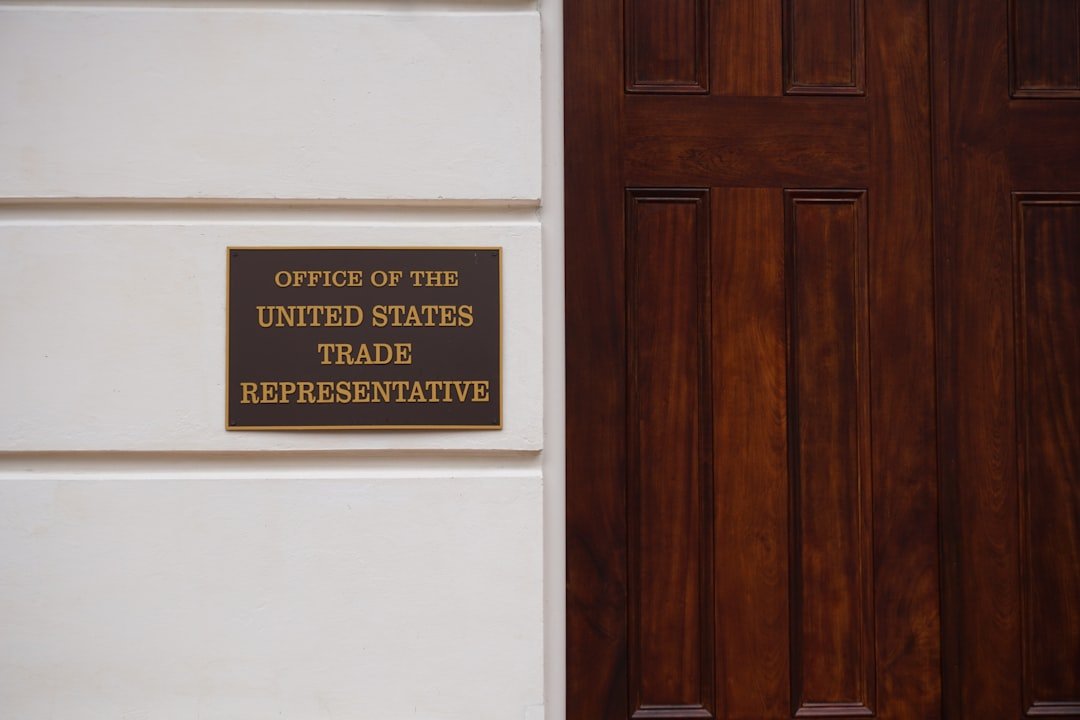
Twenty-five Democratic-led states filed suit against the Trump administration Monday, challenging the president’s authority to impose a new wave of tariffs on goods from 60 U.S. trading partners. The lawsuit, filed in the U.S. Court of International Trade, targets duties of 10% to 12.5% on imports from countries representing 99.4% of all goods entering America.
New York Attorney General Letitia James, leading the coalition, called the tariffs an illegal tax hike on families and businesses. “After losing at the Supreme Court, the administration is once again trying to illegally raise taxes,” James said in a statement announcing the legal challenge.
How Administration Revived Tariff Program After Court Losses
The states argue Trump officials are using Section 301 of the Trade Act of 1974 and forced-labor concerns as legal cover to recreate a tariff regime courts have already struck down twice. According to the complaint, the administration turned to this older trade law after previous versions of the sweeping duties were rejected under different legal frameworks.
The lawsuit asks the court to immediately halt the tariffs, declare them unlawful, and order refunds of duties already collected. The administration maintains it’s using lawful authority to eliminate what it calls unreasonable foreign trade practices that burden U.S. commerce.
What These Tariffs Mean for American Shoppers
Tariffs function as import taxes, and their costs typically flow through to American consumers in the form of higher prices on everything from electronics to clothing to building materials. With nearly all U.S. imports now subject to additional duties, the cumulative effect on household budgets could be substantial, particularly for retirees on fixed incomes.
The legal battle comes as inflation remains a top concern for voters heading into the fall election season. Higher import costs could complicate efforts to bring down prices at a time when many families are already stretched thin by years of elevated living expenses.
The case will test how much unilateral authority a president has to impose trade barriers without congressional approval—a question that could shape economic policy regardless of who occupies the White House. A ruling is expected within months, though either side could appeal to higher courts, potentially dragging the dispute into 2027.
Key Points
- Twenty-five states filed suit challenging 10-12.5% tariffs on goods from 60 trading partners representing 99.4% of U.S. imports
- States argue administration illegally repackaged tariff program after courts rejected two previous versions under different laws
- Import duties typically translate to higher consumer prices, potentially adding to inflation pressures for American households
https://www.cnbc.com/2026/08/03/trump-tariffs-25-states-lawsuit-supreme-court.html – August 03, 2026