
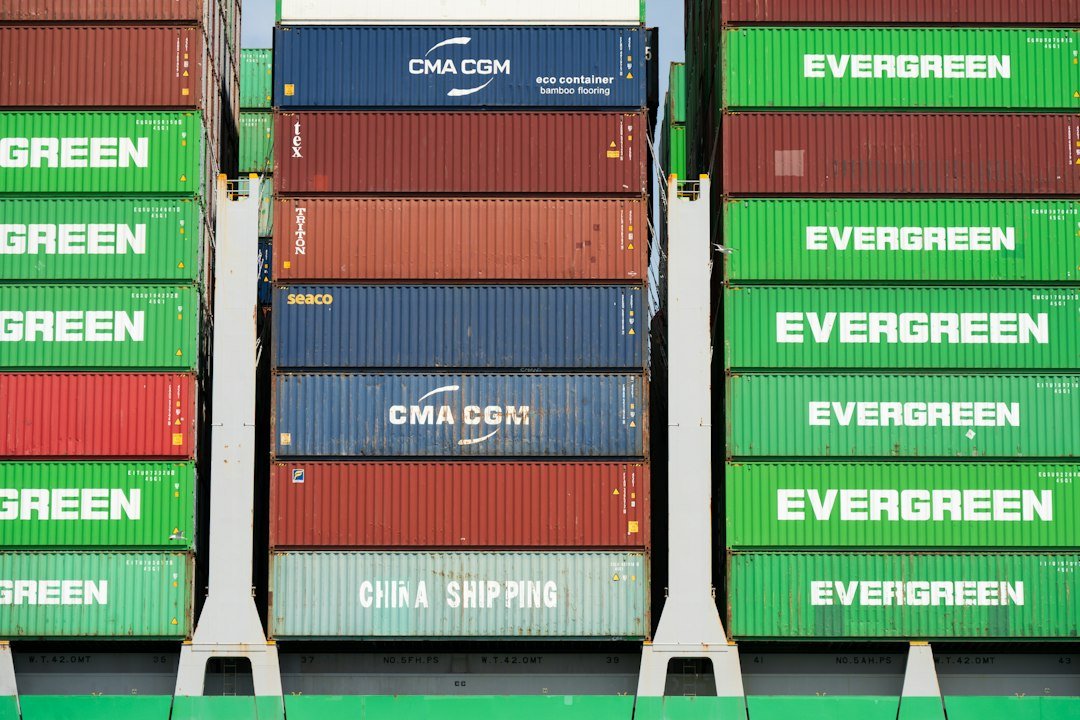
A federal trade court in Manhattan heard arguments Wednesday challenging President Trump’s sweeping tariffs on 86 countries—tariffs that now cover 99.4% of everything Americans import. Small businesses and Democratic-led states say the president exceeded his legal authority when he imposed the 10% to 12.5% duties earlier this year.
It’s the third time in less than two years that courts have been asked to stop Trump’s tariff push. This case centers on whether the administration legally used “Section 301” trade powers—designed to address specific unfair trade practices—to effectively tax nearly all imports into the United States.
Administration Claims Forced Labor Justification
The Trump administration says it imposed the tariffs because the 86 targeted countries failed to adequately enforce bans on goods made with forced labor. But attorney Pratik Shah, representing the challengers, told the three-judge panel that a “constellation of factors” proves the forced-labor rationale was merely a “pretext” to revive Trump’s worldwide tariff regime.
“We know this was not the only reason that they did this,” Shah argued during opening statements.
One judge pushed back immediately. “So what?” she asked, suggesting that mixed motives might not invalidate the tariffs if forced labor was among the genuine concerns.
What’s at Stake for American Businesses
The tariffs hit nearly everything Americans buy from abroad—electronics, clothing, auto parts, household goods. Small importers say the duties are squeezing already-thin margins and forcing them to raise prices or cut staff. Larger retailers have absorbed some costs but warn price increases are coming if the tariffs stand.
The case puts the Court of International Trade in familiar territory. The same court has twice before been asked to intervene against Trump tariff policies, though the administration has argued that presidential authority over trade is broad and largely immune from judicial second-guessing.
A ruling could take weeks or months. If the court strikes down the tariffs, the administration would likely appeal. If it upholds them, American consumers and businesses will continue paying the premium on nearly every imported product for the foreseeable future.
Key Points
- Trump’s tariffs now cover 99.4% of U.S. imports from 86 countries at 10-12.5% rates
- Challengers argue the administration’s forced-labor rationale is a pretext for broader trade war
- Third legal challenge to Trump tariffs in under two years, with ruling potentially months away
https://www.cnbc.com/2026/09/30/trump-tariffs-trade-lawsuit.html – September 30, 2026