
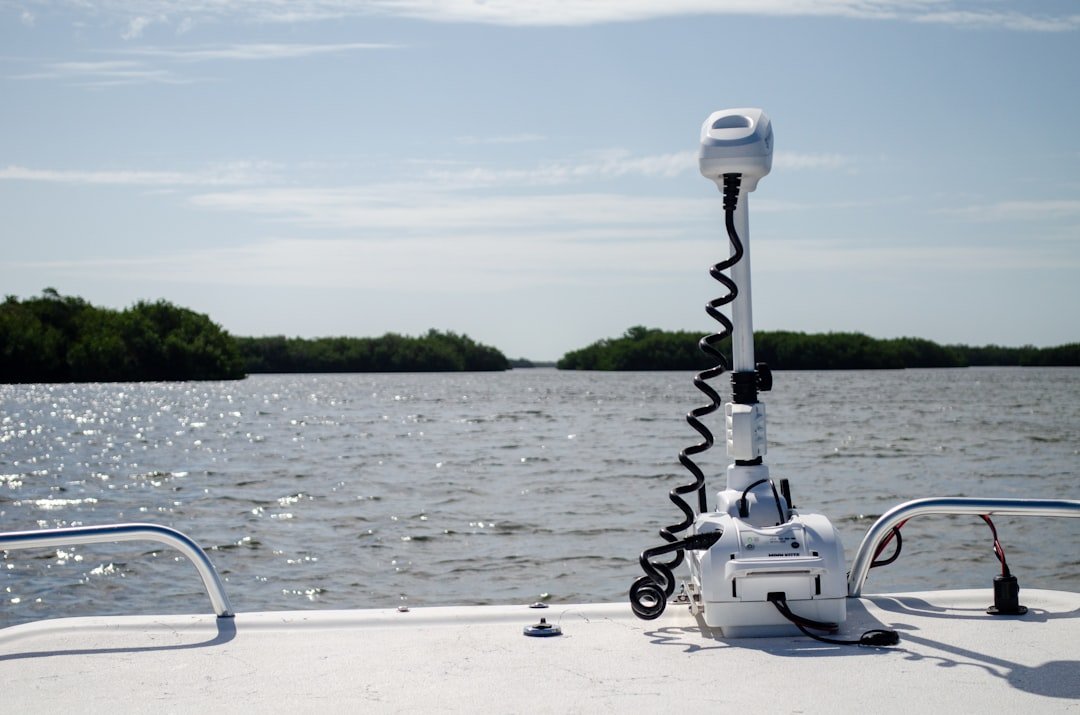
The fishing industry’s newest obsession is drawing a line in the sand between traditional anglers and technology purists—and it’s raising questions nobody wants to answer about what “fair chase” means when you can see fish on a screen before you cast.
Forward-facing sonar, the electronic technology that gives bass fishermen a live video feed of fish movements underwater, has exploded in popularity over the past three years. Tournament anglers are cleaning up. Guides are booked solid. And a growing chorus of old-school fishermen say it’s turning angling into fish harvesting.
The Technology That’s Dividing Bass Anglers
Forward-facing sonar units like Garmin LiveScope and Lowrance ActiveTarget let anglers watch bass in real-time as they approach a lure—then adjust retrieve speed, depth, and presentation on the fly. Proponents say it’s no different than depth finders or fish finders that have been standard equipment for decades. Critics say it crosses a line from finding fish to hunting them like video game targets.
The debate mirrors larger fights in hunting and fishing communities: trail cameras, crossbows during archery season, high-tech rifle scopes. At what point does technology shift the advantage so far toward the hunter that it stops being sport?
Tournament Limits and State Regulations Coming
Some professional bass fishing circuits are already banning forward-facing sonar from competition. Ontario banned it in 2022. Several U.S. states are considering restrictions, particularly on popular tournament lakes where catch rates have skyrocketed and veteran guides report noticeably fewer big fish.
But here’s where it gets complicated: these units cost $2,500 to $5,000. Tens of thousands of recreational anglers have already invested. Marine electronics manufacturers have built entire product lines around the technology. And many weekend fishermen argue it’s leveled the playing field, letting average anglers catch bass that only pros could consistently find before.
Conservation Concerns About Catch Pressure
State fisheries biologists are watching catch data closely. On some heavily pressured lakes, tournament results show anglers are catching—and releasing—the same individual fish multiple times per season. Repeated catch-and-release stress, especially in warm water, can harm fish populations even when mortality rates look acceptable on paper.
What’s at stake is whether technology eventually makes certain waters unfishable without heavy new regulations—size limits, slot limits, tournament restrictions—that nobody wants but everyone might need if efficiency keeps climbing. It’s the oldest conservation question: how much success is too much?
Key Points
- Forward-facing sonar lets anglers watch bass react to lures in real-time, dramatically increasing catch rates
- Some tournaments and Ontario have banned the technology; several U.S. states considering restrictions
- The debate mirrors hunting controversies over trail cameras and crossbows—when does tech advantage become unfair?
https://www.outdoorlife.com/fishing/smallmouth-bass-with-forward-facing-sonar/ – July 08, 2026