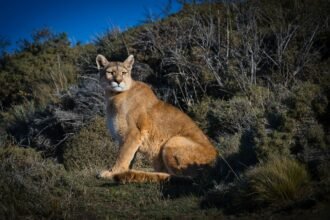
When California banned mountain lion trophy hunting in 1990, the state promised better conservation outcomes. Instead, lion populations have exploded in some areas while plummeting in others, and the state wildlife agency has lost millions in potential hunting license revenue that once funded habitat restoration and research. Now, as several Western states consider similar bans, the California experience offers a cautionary tale about what happens when emotion-driven policy replaces science-based wildlife management.
The debate has intensified as ballot initiatives targeting trophy hunting gain traction in Colorado, Montana, and Oregon. Conservation groups argue that killing animals for sport is ethically indefensible and ecologically unnecessary. Hunters and wildlife biologists counter that strictly regulated trophy hunting generates the funding that makes modern conservation possible—and that removing this tool often leads to worse outcomes for the very species activists claim to protect.
The Revenue Reality Behind Wildlife Management
In most states, hunting licenses, tags, and excise taxes on firearms and ammunition provide 60-80% of state wildlife agency budgets. When trophy hunting ends, that funding disappears. Colorado Parks and Wildlife estimates that a proposed bear and mountain lion hunting ban would cost the agency $4.5 million annually—money currently used for habitat improvement, wildlife crossing structures, and managing non-game species like songbirds and amphibians.
Critics of hunting bans point out that general taxpayers rarely make up these shortfalls. “Anti-hunting groups don’t write checks to manage elk herds or restore sage grouse habitat,” says Montana rancher Dale Martinez. “Hunters do. When you end hunting, you end the funding model that’s restored nearly every species that came back from the brink.”
When Predator Populations Grow Unchecked
Without hunting as a management tool, wildlife agencies face difficult choices when predator populations conflict with livestock, pets, or human safety. California now kills more mountain lions annually through “depredation permits” than neighboring states remove through regulated hunting—but generates no revenue and collects no population data from these reactive removals.
The irony frustrates both ranchers and wildlife managers. Ranchers lose livestock and receive no compensation from hunting tag revenue. Wildlife agencies lose the ability to strategically manage lion populations in areas where prey species are declining. And lions are still killed—just without the biological oversight that hunting seasons provide.
What’s at Stake for Rural Communities
For hunting families, trophy hunting bans represent urban voters imposing values on rural communities that live with wildlife daily. For conservationists, they represent society rejecting killing as a conservation tool. The collision between these worldviews will determine whether America’s user-funded conservation model survives—or whether someone finds billions of dollars to replace what hunters currently contribute.
Key Points
- California kills more lions through depredation permits than neighboring states harvest through regulated hunting
- Trophy hunting bans could cost Western state wildlife agencies millions in annual funding
- Wildlife agencies face strategic management challenges when hunting is removed as a population control tool
Aporia News – August 23, 2026