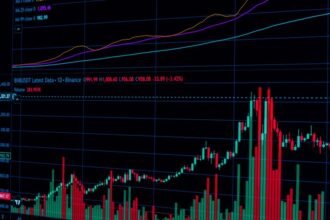

The 10-year Treasury yield broke above 4.9% Thursday for the first time since late 2023, driven by oil prices crossing $100 per barrel and fears that Middle East conflict will reignite the inflation Americans thought was finally under control.
The benchmark rate that determines what you pay on mortgages, car loans, and credit cards hit 4.908% — its highest level in nearly two years. The 2-year Treasury climbed to 4.518%, while the 30-year bond yield reached 5.332%.
Oil Shock Overshadows Tame Inflation Data
The yield surge came as crude oil topped $100 per barrel on fears of prolonged conflict between the U.S. and Iran. That price spike overshadowed Thursday’s wholesale inflation report, which showed prices rose just 0.4% in August — a relatively modest increase that would normally calm markets.
Higher oil prices feed directly into gasoline costs at the pump, heating bills, and the price of goods that must be shipped across the country. If sustained, they force the Federal Reserve to keep interest rates elevated longer to prevent inflation from accelerating again.
Treasury yields also jumped Wednesday after Treasury Secretary Scott Bessent announced the government would buy back $6 billion in longer-dated bonds — a move that can push yields higher by reducing supply in the market.
What Rising Rates Mean for Your Wallet
The 10-year Treasury yield matters because it sets the baseline for consumer borrowing costs across the economy. When it climbs, mortgage rates follow within days. A 30-year fixed mortgage that might have cost 6.5% last month could easily hit 7% or higher if yields stay at current levels.
Car loan rates, home equity lines of credit, and business lending all move in tandem. For retirees living on fixed income, higher yields offer better returns on safe investments like Treasury bonds — but those gains get eaten away if inflation accelerates alongside them.
The 30-year bond yield crossing 5.3% signals that bond investors see long-term risks in the global economy, particularly from Middle East instability that could keep energy prices elevated for months.
Markets will watch next week’s consumer price inflation data closely. If gasoline prices show up in those numbers, the Fed may have no choice but to abandon rate cuts entirely and potentially raise rates again before year’s end.
Key Points
- 10-year Treasury yield hit 4.908%, highest since November 2023, pushing up mortgage and loan rates
- Oil prices crossing $100 per barrel raise fears inflation will accelerate despite tame August wholesale data
- 30-year bond yields above 5.3% signal investors expect prolonged economic uncertainty from Middle East conflict
https://www.cnbc.com/2026/09/10/us-treasurys-bonds-yield.html – September 10, 2026