
Crude oil prices surged past $100 a barrel Wednesday after U.S. forces destroyed five Iranian oil tankers in the Persian Gulf, the latest escalation in a seven-month conflict that now threatens American wallets at the gas pump and heating bills this winter.
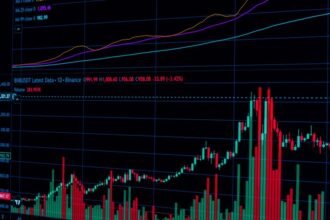
Brent crude hit $101.25 by midday, breaking the $100 threshold for the first time since July. West Texas Intermediate, the U.S. benchmark, jumped to $96.38. Both grades rose more than 3% as traders absorbed news that the military confrontation is intensifying near the Strait of Hormuz, the narrow waterway that carries one-fifth of the world’s oil supply.
Pentagon Strikes Back After Iranian Attack
The U.S. military destroyed the Iranian tankers Tuesday in retaliation for attempted attacks on an American warship, according to U.S. Central Command. The warship evaded the Iranian assault and no American personnel were injured, but the exchange marks a sharp escalation in hostilities that began in February.
Iran has not yet responded to the tanker strikes. The destroyed vessels represent a significant blow to Tehran’s ability to export crude oil, which funds roughly 40% of the Iranian government’s budget.
Goldman Warns of $120 Oil
Daan Struyven, who leads global commodities research at Goldman Sachs, told CNBC that continued attacks on shipping could push oil above $120 a barrel. That would translate to roughly $4.50 per gallon at American gas stations, based on historical pricing patterns.
Goldman’s analysts still expect Persian Gulf exports to gradually recover as producers find workarounds—alternative shipping routes and new pipeline capacity. But the recent escalation has increased the probability of sustained supply disruptions, Struyven said.
What It Means for Your Wallet
Every $10 increase in crude oil adds about 25 cents to a gallon of gasoline. For a family filling up twice a month, that’s an extra $120 annually. Heating oil costs, diesel prices for trucking goods, and jet fuel all move in tandem with crude benchmarks.
The timing compounds pressure on household budgets already stretched by elevated grocery prices and mortgage rates. Energy analysts are now watching whether Iran retaliates for the destroyed tankers, which could trigger further supply shocks before winter heating season begins.
Key Points
- Crude oil broke $100 for the first time since July after U.S. forces destroyed five Iranian tankers in retaliation for attacks on an American warship
- Goldman Sachs warns oil could hit $120 if Persian Gulf shipping disruptions continue, potentially pushing gas prices to $4.50 per gallon
- Every $10 oil increase adds roughly $120 to annual fuel costs for typical families, with heating oil and diesel prices rising in lockstep
https://www.cnbc.com/2026/09/09/oil-prices-today-wti-brent-us-iran-hormuz-attacks.html – September 09, 2026