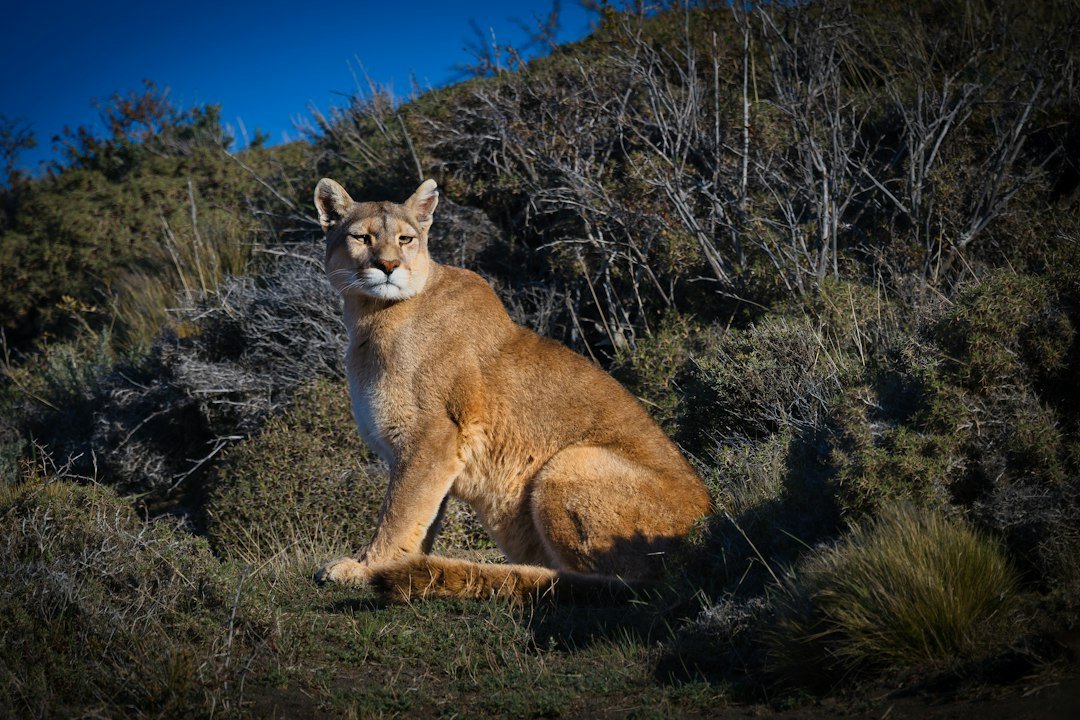
Mountain lion attacks on livestock and pets have doubled in Colorado’s rural counties over the past three years, while state wildlife officials have simultaneously reduced hunting quotas by 40 percent — a collision course that’s putting ranching communities and conservation goals at direct odds across the American West.
The flashpoint came last month when a coalition of environmental groups petitioned the U.S. Fish and Wildlife Service to list mountain lions as threatened in their historic range, a move that would federally prohibit hunting across twelve western states. Rural communities see it as the final blow to their ability to protect livestock, children, and livelihoods.
Population Recovery Meets Property Rights Reality
Wildlife biologists point to genuine success: mountain lion populations have rebounded from near-extirpation in the early 1900s to an estimated 30,000 animals across the West. Conservation groups argue current hunting quotas — averaging 3,000 lions killed annually — threaten this recovery, especially as habitat fragmentation isolates breeding populations.
But ranchers in Montana, Wyoming, and Colorado tell a different story. Confirmed livestock kills by mountain lions jumped 178 percent between 2020 and 2025 in Montana alone. Compensation programs reimburse market value for dead cattle, but don’t cover veterinary bills for mauled animals, lost weight from stressed herds, or the ranch dogs killed defending livestock.
When Federal Protection Meets Local Fear
The tension goes beyond economics. Parents in rural Idaho and Utah communities have pulled children from school bus stops after lions were spotted in daylight near homes — behavior biologists say indicates either growing populations or diminishing prey. State wildlife agencies want authority to remove problem animals quickly. Federal listing would require permits, biological assessments, and potential months of delay.
Hunting groups argue that regulated hunting — the primary funding source for state wildlife agencies through license fees — has actually enabled the recovery. They point to deer and elk as proof: hunted species with robust populations versus unhunted species struggling under federal protection.
What Hangs in the Balance
At stake is more than one species. If mountain lions gain federal protection, it sets precedent for other recovered predators — potentially wolves, grizzlies, and wolverines — to remain federally controlled indefinitely. For rural communities, it’s a question of who manages the land they live on: state agencies responsive to local needs, or federal bureaucracies balancing national conservation goals against the daily reality of living alongside apex predators.
Key Points
- Mountain lion populations rebounded to 30,000 but livestock attacks jumped 178% in Montana since 2020
- Environmental groups seek federal threatened species listing that would prohibit hunting in twelve western states
- Rural communities fear losing state-level authority to remove problem animals threatening livestock and families
Aporia News – October 08, 2026