
A single bolt is holding up America’s ability to fight in the Pacific, and it won’t arrive until February 2027. That shortage exemplifies why the Army is now racing to build manufacturing capacity in South Korea that could determine whether U.S. forces can sustain combat operations against China.
Col. Scott Carpenter displayed the back-ordered bolt at the Association of the United States Army’s annual meeting Monday. The part belongs to a Common Remotely Operated Weapon Station turret. In the vast distances of the Indo-Pacific theater, such delays don’t just slow maintenance schedules—they can cripple readiness when every day of shipping adds vulnerability.
Korea as America’s Pacific Arsenal
The U.S. Army Materiel Support Command in Korea, which Carpenter commands, is working to transform South Korea into a regional manufacturing hub that can produce critical parts and equipment without waiting for shipments from the continental United States. The initiative reflects hard lessons from logistics challenges that have plagued Pacific operations for years.
Distance is the tyranny American forces face in any Pacific conflict. Parts that take days to manufacture in the United States require weeks to ship across the ocean. In a shooting war with China, those supply lines would face immediate threat from missiles, submarines, and cyberattacks. The Army’s answer is to move production closer to where forces will fight.
3D Printing and Shipyard Partnerships
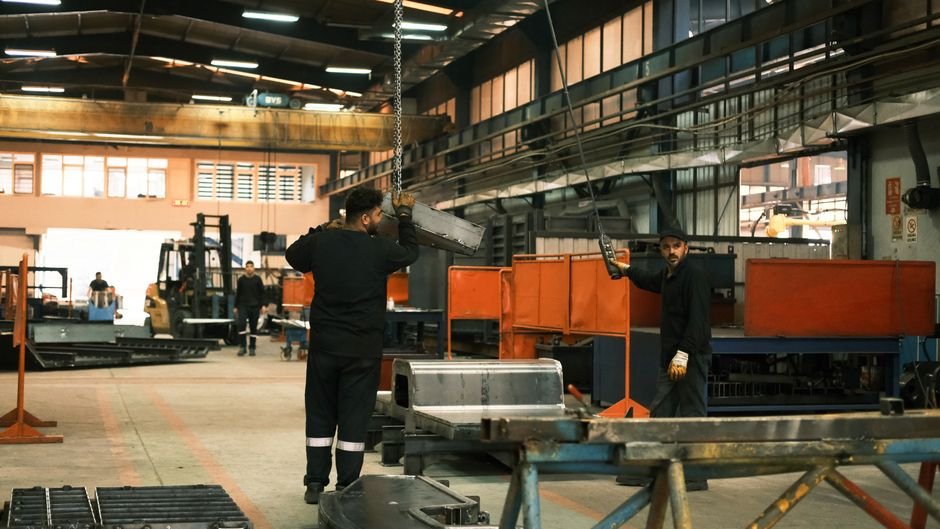
South Korean Navy personnel recently demonstrated 3D printing capabilities to U.S. Army officers at a shipyard in Changwon. The technology allows rapid production of replacement parts that would otherwise require long procurement cycles and transoceanic shipping. Korea’s advanced manufacturing base and proximity to potential conflict zones make it an ideal location for such capabilities.
The partnership also leverages South Korea’s world-class shipbuilding and defense industrial capacity. Korean firms already produce sophisticated weapons systems and maintain some of the world’s most efficient manufacturing operations. Integrating U.S. military requirements into that ecosystem could dramatically shorten response times when American forces need equipment or repairs.
Whether this hub becomes operational before a crisis tests it remains the crucial question. China continues expanding its military while American supply chains stretch across vulnerable sea lanes. For the soldiers who would fight in the Pacific, the difference between victory and defeat may come down to whether that bolt arrives in days instead of months.
Key Points
- Critical weapon parts face months-long delays, with one turret bolt back-ordered until February 2027
- Army creating manufacturing hub in South Korea to produce equipment closer to Pacific combat zones
- Korean partnerships include 3D printing and shipyard capabilities to eliminate transoceanic shipping delays
https://www.defensenews.com/global/asia-pacific/2026/10/13/us-army-aspires-to-create-indo-pacific-manufacturing-hub-in-korea/ – October 13, 2026