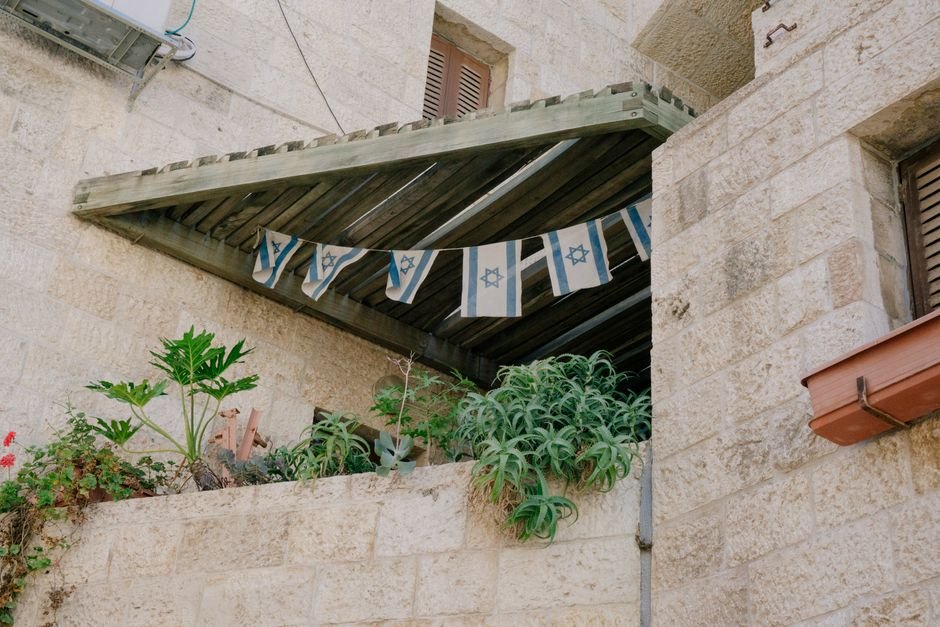
Israeli families living along the Lebanese border are describing daily life under rocket fire as Hezbollah rejected the latest ceasefire proposal, leaving thousands of displaced residents unable to return home nearly eight months after the conflict began.
The Iran-backed militant group dismissed Israel’s truce terms this week, prolonging a border crisis that has forced more than 60,000 Israelis from their homes in northern communities. Residents who remained or returned periodically describe constant alert sirens, damaged homes, and the psychological toll of sustained attacks on civilian areas.
Families in towns like Kiryat Shmona and Metula report sleeping in reinforced rooms, planning daily activities around potential rocket strikes, and watching their children grow up under threat. Local officials say agricultural operations have collapsed in some areas, with fields left unplanted and orchards abandoned as workers refuse to risk their lives for crops.
The rejection of ceasefire terms comes as Hezbollah continues launching rockets and anti-tank missiles across the border, while Israel conducts airstrikes against militant positions in southern Lebanon. Neither side shows willingness to back down from positions that have hardened since violence escalated last fall.
For Americans watching, the stalemate carries implications beyond regional stability. The United States provides Israel with substantial military aid and maintains strategic interests in preventing Iranian proxies from gaining strength along Israel’s borders. Hezbollah’s arsenal, estimated at over 150,000 rockets and missiles, represents a direct threat to a key American ally and the broader balance of power in the Middle East.
Israeli officials have warned they may launch a wider ground operation in southern Lebanon if diplomatic efforts fail to restore security along the border. Such an escalation could draw in other Iranian-backed groups across the region and potentially require increased American military support or involvement.
Displaced families say they want nothing more than to return home safely, but trust in any ceasefire arrangement has eroded after months of failed negotiations. Many have relocated to central Israel, enrolling children in new schools and finding temporary work, uncertain when or if they will see their communities whole again.
The humanitarian situation on both sides of the border continues to deteriorate, with Lebanese civilians in the south also displaced by Israeli strikes. International mediators have made little progress toward terms both parties will accept, leaving border residents on both sides trapped in what some are calling a “ceasefire war” – technically not full-scale conflict, but far from peace.
Key Points
- Hezbollah rejected Israel’s latest ceasefire proposal, leaving over 60,000 Israelis displaced from northern border communities for eight months
- Families still in border towns describe constant rocket alerts, damaged homes, and psychological trauma as daily attacks continue on civilian areas
- Failed negotiations raise prospect of wider Israeli ground operation in Lebanon that could require increased U.S. military support
https://www.foxnews.com/world/hezbollah-rejects-truce-families-israels-northern-border-describe-life-under-fire – June 05, 2026