Oil prices surged above $90 per barrel Thursday morning after reports emerged of tanker attacks off Saudi Arabia’s coast, pushing gas prices toward levels not seen since the pandemic recovery. The strike comes as tensions with Iran escalate, threatening the energy security Americans thought they’d regained after years of domestic production gains.
U.S. West Texas Intermediate crude jumped 3.8% to $90.14 per barrel by 5:30 a.m. Eastern time, while international Brent crude climbed 4.6% to $98.44. Both benchmarks are now on track for their largest monthly gains in a decade—Brent up 35.3% for July, WTI up roughly 30%.
Houthi Strike Threatens Critical Shipping Lane
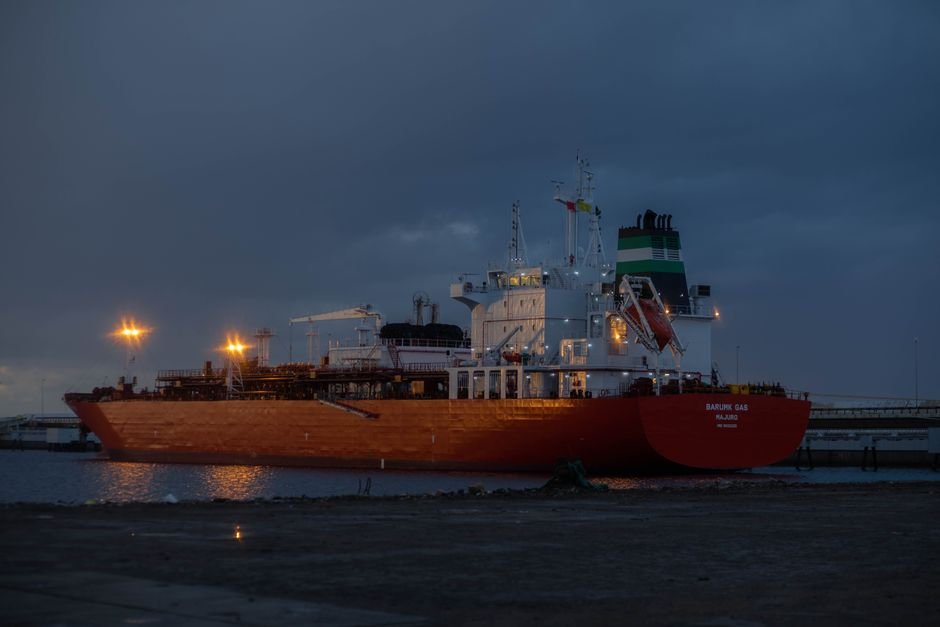
The United Kingdom Maritime Trade Operations reported that a tanker was struck approximately 70 nautical miles southwest of Al Shuqaiq, Saudi Arabia. The attack sparked an onboard fire that the crew was fighting, though no casualties were reported. Yemen’s Iran-backed Houthi militants claimed responsibility, saying they targeted two Saudi oil tankers with drones and missiles for allegedly violating their maritime blockade.
If confirmed, this would mark the first such attack since the militant group resumed operations in the region. CNBC could not independently verify the strikes.
What Higher Oil Means for Your Wallet
Every $10 increase in crude oil typically adds roughly 25 cents to the national average gas price within two to three weeks. With crude approaching $100 per barrel, Americans could see pump prices climb toward $4.50 or higher in many regions—hitting hardest in California and the Northeast, where refining capacity remains tight.
Higher fuel costs ripple through the entire economy. Groceries cost more to transport. Airlines raise ticket prices. Small businesses running delivery fleets face squeeze on already thin margins. For retirees on fixed incomes, transportation expenses can consume a growing share of monthly budgets that were planned around $3 gas.
The spike also threatens to reignite inflation just as the Federal Reserve thought it had price pressures under control. Energy costs drove much of the 2021-2022 inflation surge that eroded Americans’ purchasing power and forced the central bank into its most aggressive rate-hike campaign in four decades.
Traders will watch whether the U.S. administration responds with renewed threats against Iran or considers tapping the Strategic Petroleum Reserve again—a politically sensitive move during an election year. The immediate concern is whether additional attacks follow, potentially disrupting the roughly 21 million barrels per day that flow through the Strait of Hormuz.
Key Points
- U.S. crude hit $90.14 per barrel, highest since early June, after tanker struck off Saudi Arabia
- Brent crude on track for 35% monthly gain, third-largest jump in decade
- Every $10 oil increase typically adds 25 cents to gas prices within weeks
https://www.cnbc.com/2026/07/23/oil-prices-today-wti-brent-trump-iran-hormuz.html – July 23, 2026