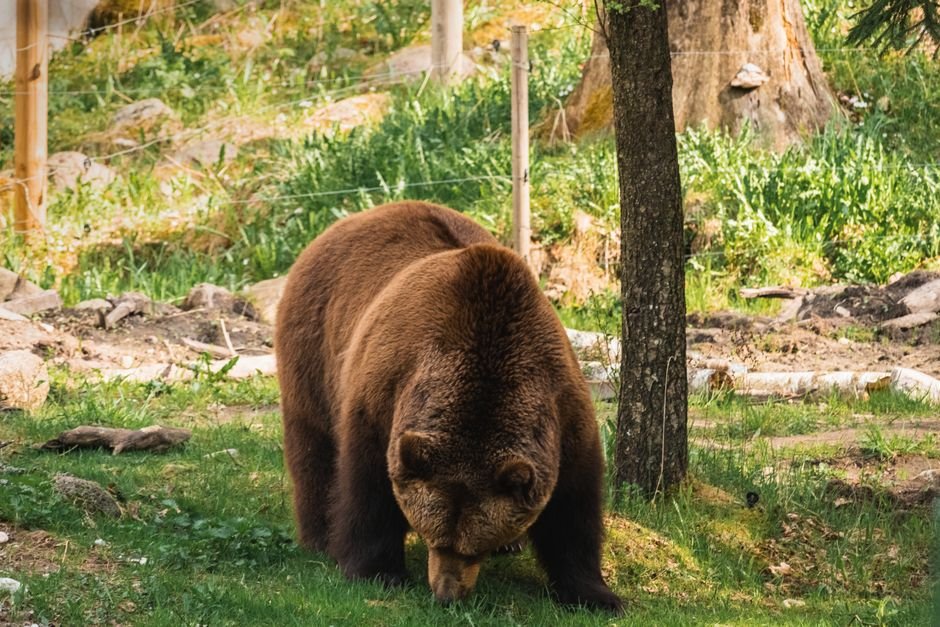
A grizzly bear charged a teenage boy in Wyoming’s backcountry last week, sending him running for his life before a quick-thinking guide intervened. The kid survived with minor injuries. The bear, doing what grizzlies do in their territory, walked away unharmed. And now the same old question hangs over every close call: how many grizzlies are too many?
The attack happened during what should have been a routine wilderness experience. When screams erupted, other members of the group initially thought it was horseplay. Then they saw the teenager sprinting through the brush with an adult grizzly closing fast. The guide’s decisive action—creating noise and distraction—likely prevented a mauling or worse.
Grizzly Recovery Success Creates New Problems
Yellowstone-area grizzly populations have rebounded from roughly 140 bears in 1975 to an estimated 1,000 today. That’s a conservation success story by any measure. The Endangered Species Act worked exactly as intended, pulling grizzlies back from the brink of regional extinction.
But success has consequences. Grizzlies now roam far beyond Yellowstone’s boundaries, into ranch land, hunting areas, and small communities that haven’t dealt with these apex predators in generations. Livestock kills are up. Trail encounters are up. And incidents like this one—where a kid nearly becomes a statistic—are becoming routine.
Delisting Controversy Pits Science Against Politics
Wyoming, Montana, and Idaho have been fighting to delist Yellowstone grizzlies and implement state management, including limited hunting seasons. Federal judges keep blocking those efforts, citing connectivity concerns and advocacy group lawsuits. Meanwhile, the Fish and Wildlife Service acknowledges the population has exceeded recovery goals but won’t pull the trigger on delisting.
Ranchers argue they’re being asked to sacrifice their livelihoods for a recovered species that no longer needs ESA protection. Hunters point out that managed hunting seasons would reduce human-bear conflicts while generating revenue for conservation. Environmental groups counter that grizzlies need federal protection to expand into historic range and maintain genetic diversity.
What’s at Stake for Rural Communities
Every close call reinforces the same divide. Urban environmentalists see continued grizzly expansion as non-negotiable. Rural residents see their concerns dismissed by people who’ll never encounter a grizzly in their backyard or watch one kill their cattle.
The teenager walked away this time. The next kid might not be so lucky. And when that happens, the real question won’t be whether grizzlies have recovered—it’s whether federal agencies will finally trust Western states to manage their own wildlife.
Key Points
- Grizzly bear charged teenage boy in Wyoming backcountry; guide intervention prevented serious injury
- Yellowstone grizzly population has grown from 140 bears in 1975 to roughly 1,000 today
- Western states push for delisting and managed hunting while federal agencies maintain ESA protections despite recovery targets being met
https://www.outdoorlife.com/survival/grizzly-bear-charges-teen/ – June 15, 2026