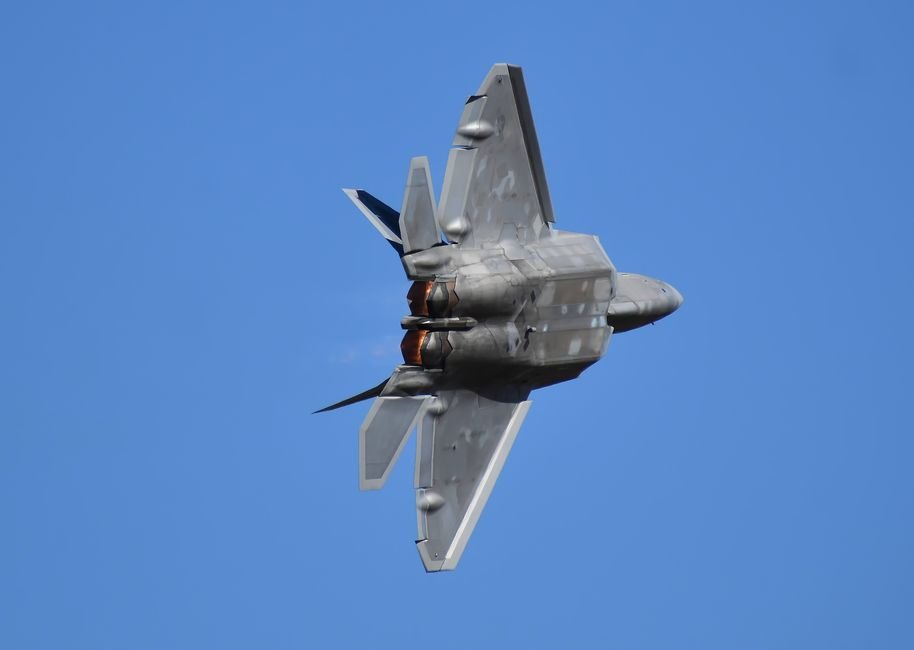
The Air Force’s next-generation fighter jet has entered production of test aircraft and remains on track for its first flight in 2028, marking a critical milestone in America’s effort to maintain air superiority against China and Russia.
Gen. Dale White, director of Critical Major Weapon Systems, told defense industry leaders Wednesday that the F-47 program has begun its engineering and manufacturing development phase with “unprecedented maturity.” The sixth-generation fighter, announced by President Donald Trump and Defense Secretary Pete Hegseth in March 2025, represents the most significant leap in combat aviation since the F-22 Raptor entered service two decades ago.
Extreme Teaming With Defense Contractors
White described the F-47 development as “extreme teaming” with industry partners, a departure from traditional Pentagon procurement that has often run years behind schedule and billions over budget. The approach appears designed to avoid the cost overruns and delays that plagued the F-35 Joint Strike Fighter program, which took nearly two decades to reach full operational capability.
The general made his remarks during a keynote address at an event in Dayton, home to Wright-Patterson Air Force Base, where much of America’s aviation research and development takes place. His emphasis on the program’s maturity at this early stage suggests the Air Force applied lessons learned from previous fighter programs.
What Sixth-Generation Means for Air Power
While specific capabilities remain classified, sixth-generation fighters typically incorporate artificial intelligence, advanced stealth, enhanced electronic warfare systems, and the ability to control unmanned aircraft. The F-47 will likely serve as a quarterback in the sky, coordinating with drone wingmen to overwhelm enemy air defenses.
The 2028 flight timeline matters because both China and Russia are developing their own next-generation fighters. China’s state media has claimed its sixth-generation program is progressing rapidly, though Western analysts remain skeptical of those assertions. Russia’s Su-57, nominally a fifth-generation fighter, has struggled with production and reliability issues.
For American families, the F-47 represents continued investment in the military edge that has kept major wars away from U.S. soil since Pearl Harbor. The question facing Congress will be whether the program can deliver that capability without the astronomical per-unit costs that have limited F-35 purchases.
Key Points
- F-47 test aircraft now in production with first flight scheduled for 2028
- Program uses “extreme teaming” approach to avoid F-35’s cost overruns and delays
- Sixth-generation fighter critical to maintaining air superiority over China and Russia
https://www.defensenews.com/industry/techwatch/2026/07/30/f-47-program-producing-test-aircraft-on-schedule-for-2028-flight/ – July 30, 2026