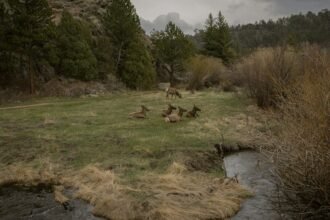
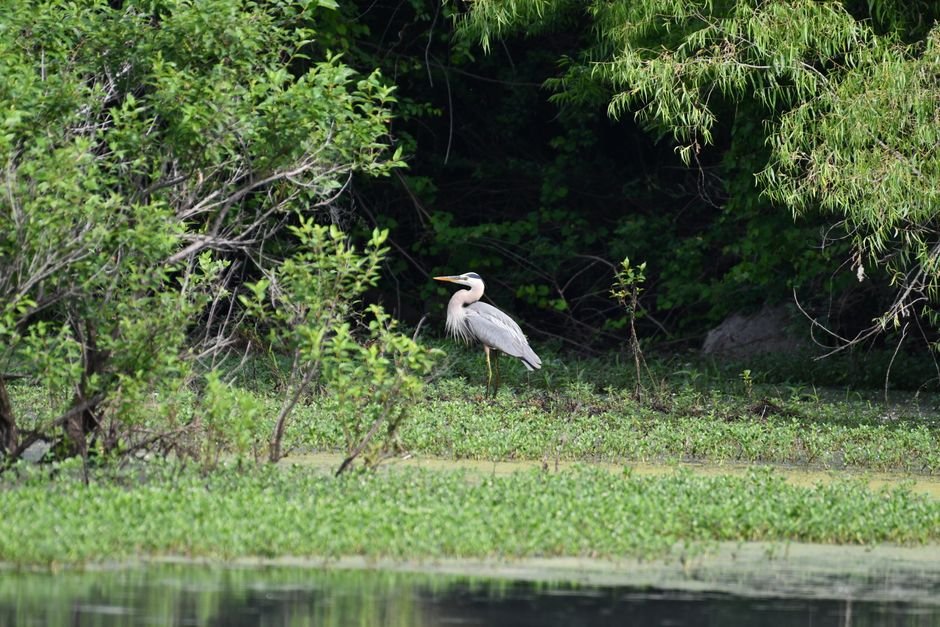
For nearly three decades, hunters and anglers have accessed Big Oaks National Wildlife Refuge under a unique arrangement that kept 50,000 acres of former artillery range open to the public. Now the U.S. Fish and Wildlife Service is considering shutting it all down—not because of contamination concerns, but because managing public access has become “too difficult.”
The refuge, Indiana’s largest at 50,000 acres, sits on land the Army still owns. When the military stopped using the Jefferson Proving Ground for live-fire testing in 1995, FWS negotiated a 99-year agreement to manage the property for wildlife while allowing controlled public recreation. Hunters have harvested deer, turkey, and waterfowl there ever since, following strict safety protocols around unexploded ordnance zones.
The Agency’s Case for Closure
FWS officials cite staffing shortages and the complexity of coordinating with the Department of Defense as reasons to end public access. They argue the refuge could better serve wildlife if left entirely undisturbed, without the administrative burden of issuing permits and managing hunters. The agency emphasizes that contaminated areas require ongoing monitoring regardless of public use.
Conservation groups supporting the closure point to thriving populations of rare grassland birds and other species that have rebounded precisely because human activity has been minimal for decades.
What Hunters Stand to Lose
Indiana sportsmen see something else: 50,000 acres of public hunting ground vanishing because a federal agency finds the paperwork inconvenient. Big Oaks provides opportunities that are increasingly scarce in a state where most land is privately owned. For many working-class hunters, losing access to quality public land means losing their hunting heritage altogether.
The Indiana Division of Fish and Wildlife and several hunting organizations have pushed back hard, noting that hunters have followed all safety protocols without incident and that license fees fund wildlife management the feds now want to lock away from the people paying for it.
A Pattern Worth Watching
This isn’t just about one refuge. It’s a test case for whether federal agencies can unilaterally close public lands that were promised to sportsmen under negotiated agreements. If FWS can walk away from a 99-year deal because managing public access is too much trouble, what’s to stop similar closures elsewhere?
At stake is whether conservation means setting aside land for the people who hunt and fish it, or permanently locking gates on America’s outdoor heritage.
Key Points
- Big Oaks NWR operates under a 99-year management deal with the Army that includes public access
- FWS cites staffing issues and administrative burden as reasons to close the refuge to hunters
- Indiana sportsmen argue the closure sets a dangerous precedent for breaking access agreements on public lands
https://www.outdoorlife.com/conservation/feds-consider-closing-big-oaks-national-wildlife-refuge/ – June 19, 2026