
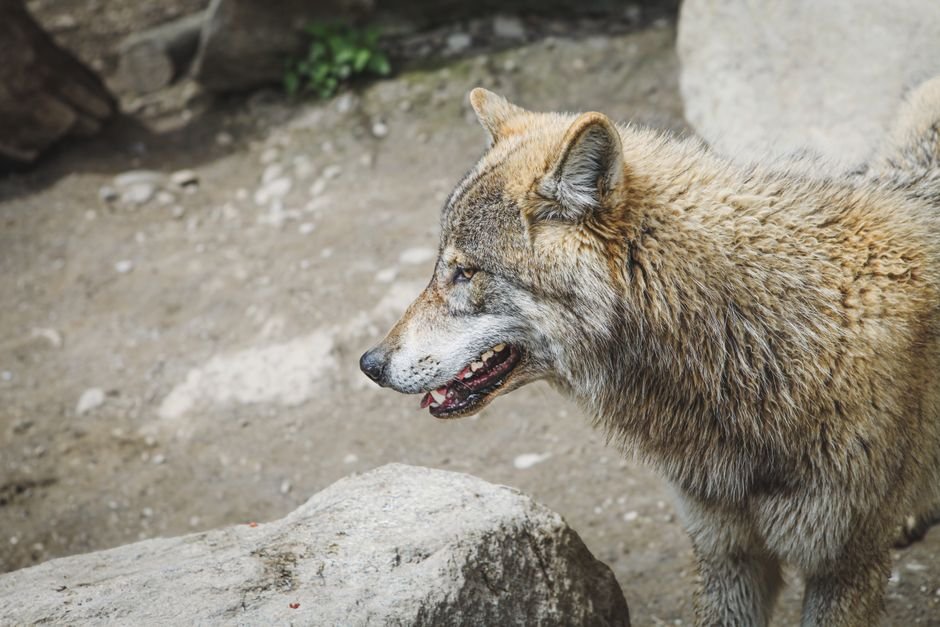
A social media influencer is offering $10,000 to anyone who can identify hunters who legally harvest wolves that wander outside Yellowstone National Park’s boundaries into Wyoming. The bounty targets hunters following state law, turning what should be a wildlife management debate into a personal doxing campaign against rural Americans.
In Wyoming, gray wolves are managed as predators outside Yellowstone, meaning they can be harvested year-round without bag limits in most of the state. The state adopted this approach after wolves were delisted from the Endangered Species Act, returning management authority to Wyoming Game and Fish. For ranchers losing calves and sheep to wolf predation, it’s not just legal—it’s necessary.
Why Yellowstone Wolves Cross State Lines
Wolves don’t recognize park boundaries. As pack territories expand and young wolves disperse to establish new packs, they routinely move into Wyoming ranching country. Some of Yellowstone’s most famous wolves—collared research animals tracked by tourists and photographers—have been legally harvested after leaving park boundaries. Each time, it triggers outrage from wolf advocates who believe these animals deserve special protection.
But Wyoming ranchers see it differently. They didn’t ask for wolves to be reintroduced in 1995. They’ve watched their livestock losses climb and their ability to protect their herds criminalized when wolves were federally protected. State management was supposed to give them back some control.
When Advocacy Becomes Intimidation
Offering cash bounties for hunter identities crosses a serious line. These aren’t poachers breaking the law—they’re residents following Wyoming Game and Fish regulations. The clear intent is to expose them to public harassment, online mobs, and potential violence. Similar campaigns have resulted in death threats against hunters and their families.
This is the new front in the conservation wars: treating legal hunters as criminals worthy of public shaming. Wolf advocates argue these particular animals are special because they live in Yellowstone part of the time. Hunters and ranchers counter that state management means state authority—not mob rule by outsiders with no skin in the game.
At stake is whether wildlife management will be guided by science and state authority, or by social media campaigns designed to punish rural Americans for exercising their legal rights. Wyoming set its wolf regulations through a public process. Vigilante bounties undermine that democratic system entirely.
Key Points
- Social media influencer offering $10,000 to identify hunters who legally harvest wolves outside Yellowstone
- Wyoming manages wolves as predators outside park boundaries after ESA delisting
- Campaign targets legal hunters with apparent intent to expose them to harassment and online mobs
https://www.outdoorlife.com/conservation/bounty-wolf-hunter-identities/ – August 02, 2026