
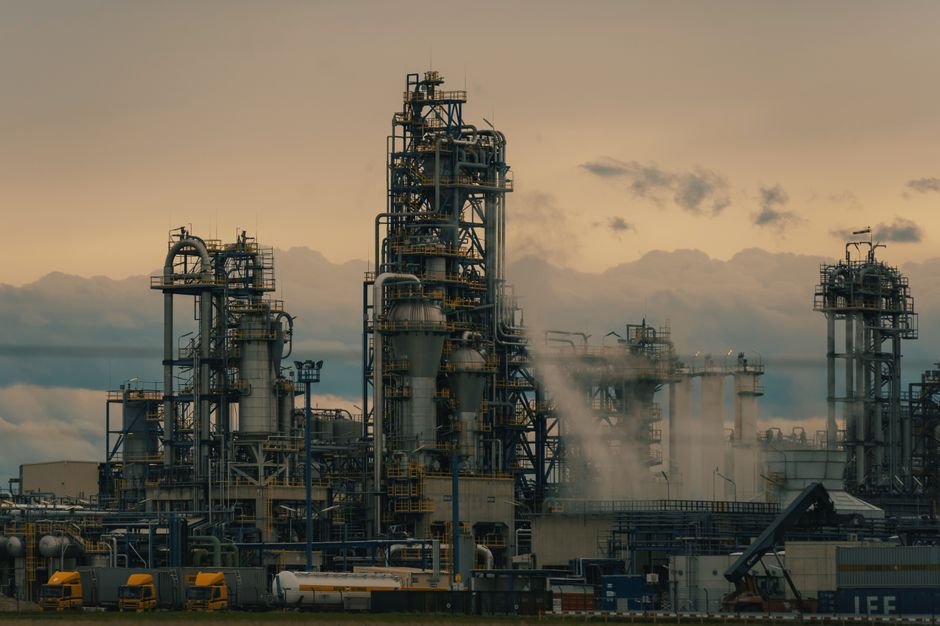
Oil prices jumped toward $100 a barrel Tuesday after Iranian-backed militants struck Saudi Arabia’s energy infrastructure, reigniting fears that widening Middle East conflict could choke global fuel supplies and hit American wallets hard.
Brent crude climbed 2.23% to $99.16 per barrel by early morning, while U.S. benchmark West Texas Intermediate rose 3.26% to $94.46. The Saudi energy ministry confirmed that Houthi militants launched drone and ballistic missile attacks on energy facilities, injuring more than 70 people and forcing operations to halt at multiple sites.
Retaliation Cycle Threatens Oil Supply Routes
The strikes follow Saturday’s U.S. military action against three Iranian oil tankers, itself a response to Iranian missile attacks on Navy warships. Iran’s Foreign Ministry called the tanker strikes a “war crime” and “economic warfare,” setting the stage for further escalation in waters that transport roughly one-fifth of the world’s oil.
Saudi Arabia, the world’s largest oil exporter, is now racing to contain fires at the attacked facilities and assess damage. A Houthi military spokesman claimed responsibility for targeting Saudi Aramco installations in southern regions with what the group described as precision strikes.
What Rising Oil Means for American Families
Every dollar increase in crude oil typically adds roughly three cents to the national average gasoline price within weeks. If Brent crosses $100 and stays elevated, Americans could see pump prices climb 15 to 20 cents per gallon heading into fall, adding $200 or more annually to the typical household’s fuel costs.
Energy stocks jumped in premarket trading Tuesday, with ExxonMobil up 1.96% and Chevron gaining 1.35%. But what benefits oil company shareholders comes directly out of consumers’ budgets through higher heating bills, diesel surcharges on groceries, and increased transportation costs that ripple across the economy.
The timing compounds pressure on retirees and fixed-income households already stretched by persistent inflation. With winter months approaching, any sustained spike in energy prices will force difficult trade-offs between heating homes and covering other essentials.
Key Points
- Brent crude jumped above $99 after Houthi attacks halted operations at Saudi energy facilities, injuring over 70 people
- The strikes follow U.S. military retaliation against Iranian tankers, creating an escalation cycle in waters carrying one-fifth of global oil supply
- If oil crosses $100 and holds, American families face 15-20 cent per gallon gas increases adding $200+ to annual fuel costs
https://www.cnbc.com/2026/09/08/oil-prices-today-brent-wti-hormuz-iran-war.html – September 08, 2026