
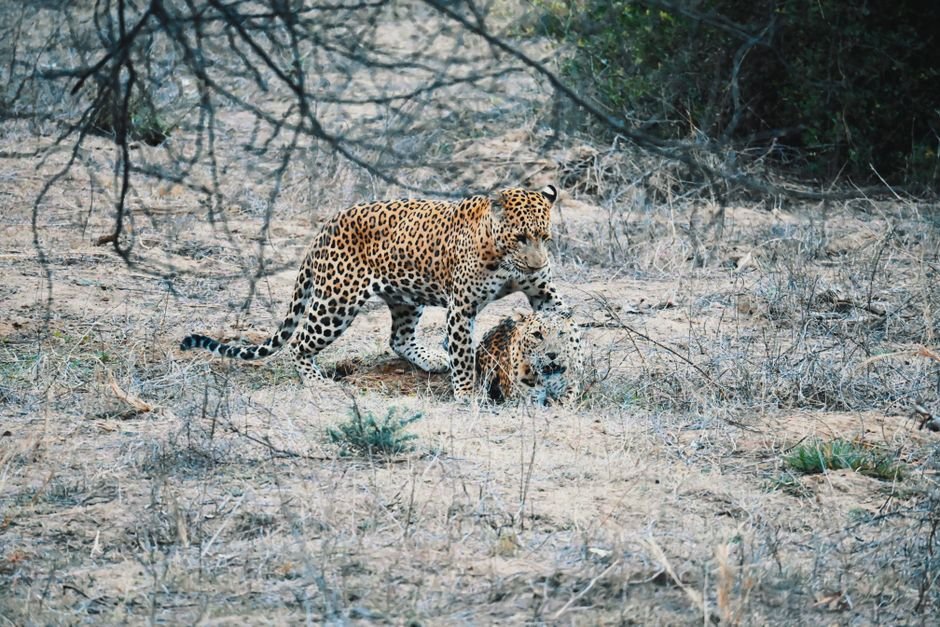
When California banned mountain lion trophy hunting in 1990, it seemed like a win for conservation. Thirty-six years later, the state’s lion population faces new threats—while wildlife agencies struggle with a $3 million annual funding gap previously filled by hunting tags and licenses.
The paradox now spreading across western states: bans on trophy hunting often eliminate the primary revenue source for managing the very species activists want to protect. Colorado’s recent wolf reintroduction, combined with growing pressure to restrict lion and bear hunting, has wildlife managers warning of a looming fiscal crisis that could compromise all conservation work.
How Trophy Fees Fund Conservation Programs
Trophy hunting licenses for species like bighorn sheep, mountain lions, and elk generate substantial state revenue. Montana’s bighorn sheep tags auction for up to $480,000 each, funding disease monitoring and habitat restoration. North American model of wildlife conservation has relied on this “user pays, public benefits” system since the 1930s—hunters and anglers fund roughly 60% of state wildlife agency budgets through licenses, tags, and excise taxes on equipment.
When trophy hunting ends without alternative funding, the math gets brutal. State agencies lose both tag revenue and federal Pittman-Robertson matching funds tied to hunting participation. Colorado estimates its proposed bear and lion hunting restrictions could cost $10 million annually—money currently used for everything from chronic wasting disease research to habitat protection affecting all species.
The Ethics Debate Versus Boots-on-Ground Reality
Animal welfare groups argue no species should be killed for recreation, regardless of funding implications. They point to non-hunting alternatives: wildlife watching generates tourism revenue, general tax funds could replace hunting dollars, and some conservation doesn’t require active management. Trophy hunting, they contend, is ethically indefensible even if currently woven into funding structures.
Rural communities and wildlife professionals counter that hunting does more than fund agencies—it provides population control, generates local economic activity, and creates stakeholder investment in conservation. When Washington state restricted spring bear hunting, problem bear complaints increased 60% while the agency simultaneously lost enforcement funding. “You can’t just cut revenue and expect the same conservation outcomes,” says one Montana Fish, Wildlife & Parks biologist.
What’s at Stake Beyond Single Species
The broader question isn’t just about lions or bears—it’s whether states can maintain comprehensive wildlife programs if trophy hunting revenue disappears. Without替代funding mechanisms in place, restrictions could force agencies to cut non-game species programs, reduce law enforcement, and scale back habitat work benefiting entire ecosystems.
For rural Americans who’ve supported conservation through license purchases for generations, the message feels dismissive: your funding model is no longer acceptable, but no sustainable alternative is offered.
Key Points
- Trophy hunting licenses fund 60% of state wildlife budgets through tags and federal matching programs
- California’s mountain lion hunting ban created $3 million annual agency funding gap still unfilled after 36 years
- Bans reduce both direct tag revenue and federal Pittman-Robertson matching funds tied to hunting participation
Aporia News – October 27, 2026