
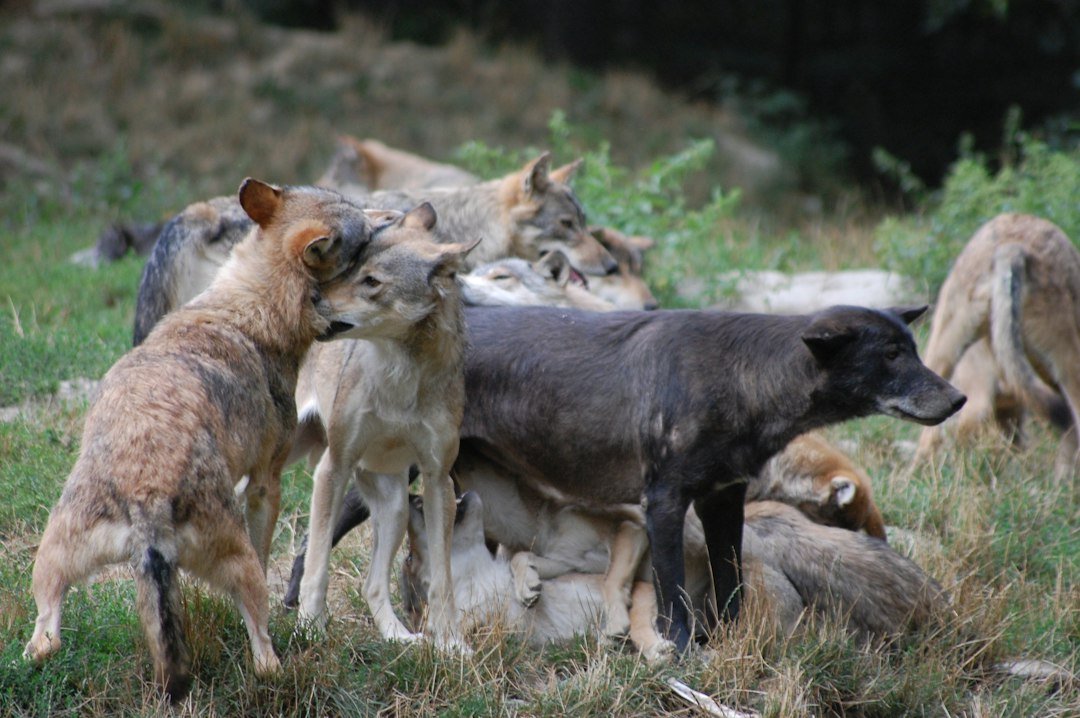
Wolf attacks on humans remain exceedingly rare in North America, but the question itself reveals a deeper conflict playing out across the rural West. As wolf populations rebound from near-extinction thanks to aggressive reintroduction programs, ranchers losing livestock and parents watching their kids wait for school buses in wolf country want straight answers—not wildlife agency talking points that minimize legitimate concerns.
The statistical reality is clear: fatal wolf attacks on humans in North America are virtually nonexistent. But statistics don’t comfort the Montana rancher who’s lost calves to wolf predation three years running, or the Idaho family whose hunting dogs were killed by wolves on their own property. When wildlife managers dismiss human safety concerns as irrational fear, they’re ignoring the day-to-day reality of living alongside apex predators that were forcibly reintroduced over local objections.
The Reintroduction Nobody Asked For
Federal wolf reintroduction programs—particularly the controversial 1995 Yellowstone program—were decided in Washington and environmental courtrooms, not by the rural communities forced to live with the consequences. Wolves were removed from the endangered species list, then relisted, then delisted again through endless legal battles that left ranchers unable to protect their herds and hunters watching elk populations crash in traditional hunting units.
Wildlife agencies argue wolf attacks on humans are rarer than lightning strikes. Fine. But wolf attacks on livestock, hunting dogs, and game animals are routine and economically devastating. When a rancher loses $50,000 in cattle to wolves in a season, telling him the wolves won’t attack his grandkids feels like bureaucratic gaslighting.
What Wolf Country Residents Actually Face
The real issue isn’t whether wolves will attack humans—it’s whether rural Americans have any say in wildlife management decisions that directly affect their livelihoods and property. Federal protections for wolves mean ranchers can’t shoot animals actively killing their livestock. State hunting seasons designed to manage wolf populations get shut down by environmental lawsuits filed from offices in San Francisco and New York.
Conservation works when local communities have skin in the game. Wolf recovery has succeeded—maybe too well in some areas. Now we need management based on what’s actually happening on the ground, not what looks good in a fundraising email for an environmental group that’s never seen a dead calf with its throat torn out.
Key Points
- Wolf attacks on humans are statistically rare but livestock and hunting dog predation is common and costly
- Federal reintroduction programs were imposed on rural communities that warned of consequences now playing out
- Endless endangered species lawsuits prevent state management even where wolf populations have fully recovered
https://www.outdoorlife.com/survival/wolves-attack-humans/ – September 28, 2026