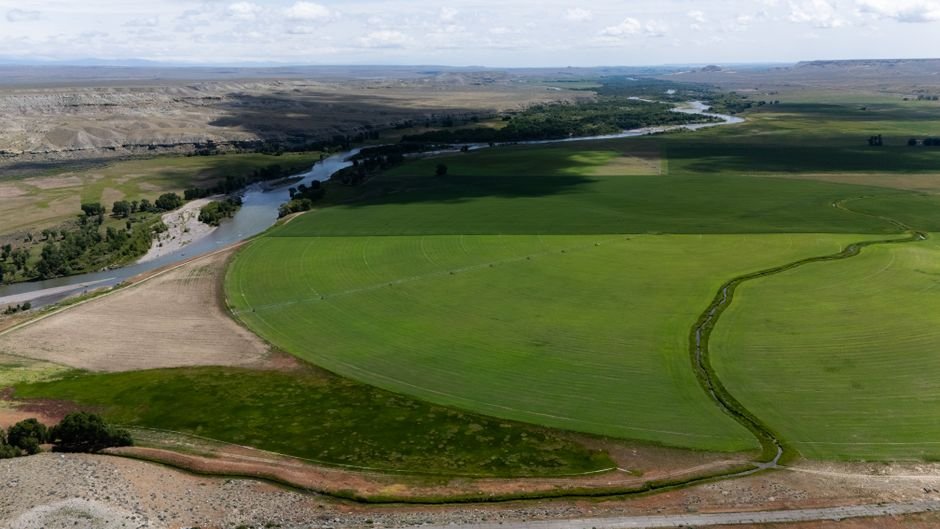
The Klamath River basin has become ground zero for a water war that’s been simmering for decades. This summer, federal regulators ordered Idaho and Oregon farmers to cut irrigation withdrawals by 40% to protect endangered suckerfish populations—a decision that could bankrupt family farms that have held water rights since the homesteading era. It’s conservation versus cultivation, and there’s no easy answer when both sides are fighting for survival.
The Klamath Basin supports over $700 million in annual agricultural production, mostly alfalfa, grain, and cattle operations. These aren’t corporate mega-farms—most are multi-generational ranches and family operations that depend on seasonal irrigation to make desert land productive. Their water rights, some dating back over a century, were supposed to be ironclad property interests protected by state law.
The Endangered Species Trigger Point
Two species of suckerfish, the Lost River sucker and the shortnose sucker, were listed under the Endangered Species Act in 1988. Both are considered sacred by the Klamath Tribes and play crucial roles in the basin’s aquatic ecosystem. Federal biologists say these fish need sustained higher water levels and cooler temperatures to spawn successfully—conditions that conflict directly with agricultural withdrawals during the critical summer growing season.
The U.S. Fish and Wildlife Service’s biological opinion concluded that current irrigation practices jeopardize the species’ survival. The Bureau of Reclamation, which manages the federal irrigation project, had no choice but to restrict deliveries. Wildlife advocates argue this is exactly what the Endangered Species Act was designed to do—prevent extinction even when economically painful.
What Farmers Say They’re Losing
Irrigators counter that they’re being sacrificed for fish management failures that have nothing to do with their operations. They point to habitat degradation from decades of poor dam management, invasive species, and pollution from sources outside agriculture. “We’re the easiest target,” one fourth-generation rancher told local reporters. “Turn off our water and the feds can claim they did something.”
The economic impact is devastating. Reduced water means fallowed fields, sold cattle herds, and foreclosed loans. Rural communities built around these farms—equipment dealers, feed suppliers, processing plants—face collapse. Some families are walking away from land their great-grandparents settled.
The Constitutional Question Nobody Wants
At the heart of this conflict is whether federal wildlife law can effectively nullify state-granted water rights without compensation. Farmers argue this is an unconstitutional taking. Conservationists respond that property rights were never absolute—they’ve always been subject to regulation for public good.
What’s at stake is whether rural America’s agricultural heritage can coexist with ecosystem restoration, or whether one must be sacrificed to save the other. The Klamath Basin may be the test case that answers that question for watersheds across the West.
Key Points
- Bureau of Reclamation cut irrigation 40% to protect two endangered suckerfish species in the Klamath Basin
- Farmers say the decision nullifies century-old water rights and will bankrupt multi-generational operations
- The conflict raises constitutional questions about whether federal wildlife law can override state property rights
Aporia News – October 09, 2026