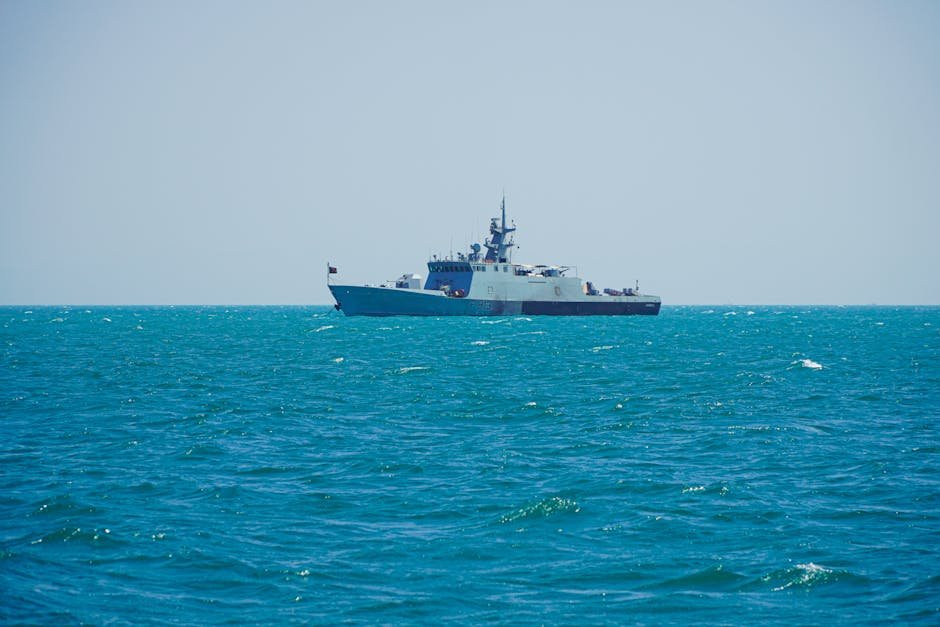
U.S. Marines conducted amphibious assault drills on remote Philippine islands this week, practicing the exact tactics military planners say would be necessary in a potential conflict with China over Taiwan.
The exercises, part of the annual Balikatan training series with Filipino forces, focused on seizing and holding small, uninhabited islands in the Philippine archipelago. Marines practiced rapid beach landings, establishing temporary bases, and coordinating with naval and air support to control strategic positions.
Military analysts have long identified island-hopping operations as central to any U.S. response if China attempts to blockade or invade Taiwan. The South China Sea and Philippine waters contain hundreds of small islands that could serve as staging areas for American forces or launching points for anti-ship missiles to threaten Chinese naval movements.
The drills come as tensions remain elevated in the region. China has repeatedly conducted military exercises simulating a blockade of Taiwan and has built up forces across from the island. Beijing views Taiwan as a breakaway province and has refused to rule out using force to achieve reunification.
For American families, the stakes are enormous. A conflict over Taiwan would immediately involve U.S. forces under longstanding defense commitments. The island produces more than 60 percent of the world’s semiconductors and over 90 percent of the most advanced chips that power everything from smartphones to fighter jets. A Chinese takeover would give Beijing control over technology critical to American economic and military strength.
The Marine Corps has spent the past five years reorganizing specifically for this scenario, shedding tanks and heavy armor in favor of smaller, more mobile units designed to operate across island chains. The service now prioritizes long-range anti-ship missiles, drones, and the ability to disperse forces across remote locations rather than concentrating at large bases vulnerable to Chinese missile strikes.
The Philippines, a treaty ally, has become increasingly important to U.S. strategy. Under President Ferdinand Marcos Jr., Manila has granted American forces access to additional bases, including locations facing the South China Sea and Taiwan Strait. This reverses years of more distant relations under his predecessor.
The exercises send a clear message about American readiness, but questions remain about whether the U.S. military has sufficient ammunition stockpiles, enough ships, and adequate logistical support to sustain operations across the vast Pacific if deterrence fails. The next phase of Balikatan continues through the end of May.
Key Points
- U.S. Marines practiced seizing remote Philippine islands in drills focused on the exact scenario of defending Taiwan from Chinese aggression
- A conflict over Taiwan would threaten American access to semiconductors that power everything from phones to fighter jets
- The Marine Corps has reorganized its entire force structure around island warfare in the Pacific, trading tanks for mobility and anti-ship missiles
https://www.defensenews.com/global/asia-pacific/2026/05/15/us-marines-practice-seizing-remote-islands-in-philippine-exercise/ – May 16, 2026