The Justice Department filed federal lawsuits Thursday against four Democratic-led states that have refused to issue undercover license plates to immigration enforcement agents, escalating a confrontation over border security that cuts to the heart of federal authority.
Maine, Washington, Oregon, and Massachusetts all denied confidential vehicle registrations specifically to Department of Homeland Security officers conducting immigration enforcement operations, according to the DOJ complaints. The states continued providing the same plates to other federal agencies during the same period.
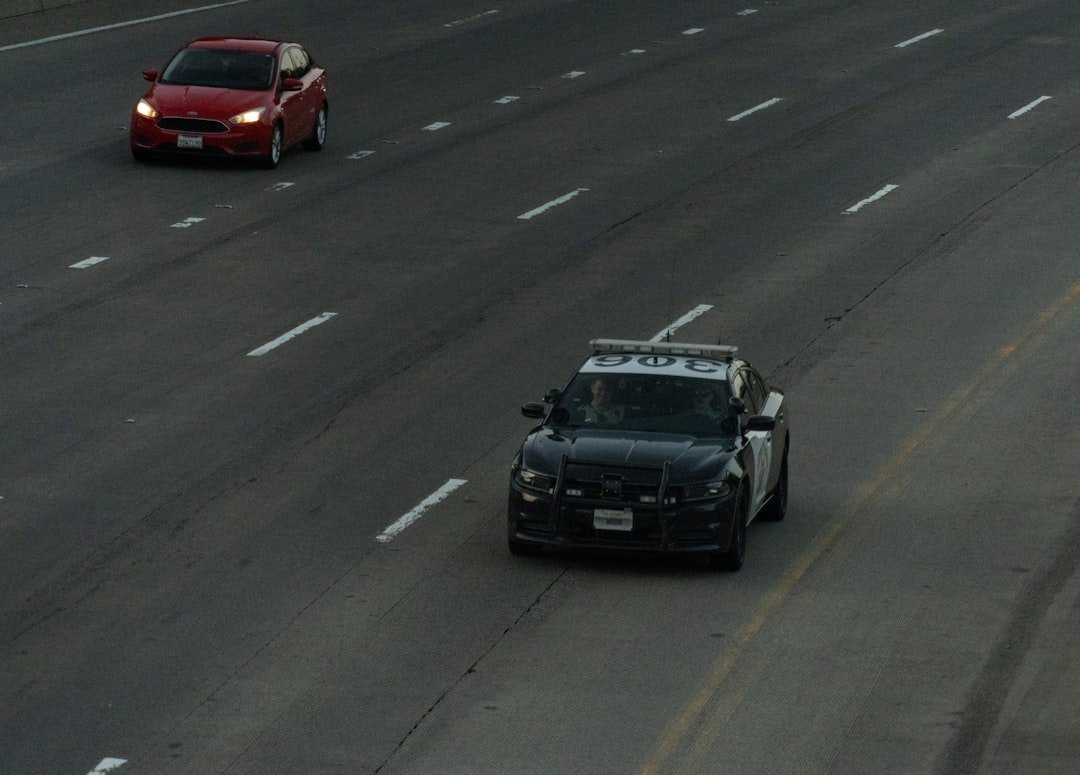
The undercover plates allow federal agents to operate unmarked vehicles without revealing their government affiliation—a basic tool for surveillance operations and officer safety that state motor vehicle departments routinely provide to law enforcement. By selectively blocking access for immigration agents, the four states created what amounts to a sanctuary policy for government vehicles.
The timing matters for American families watching their neighborhoods transform. With illegal border crossings exceeding eight million during the previous administration, ICE agents have faced growing operational challenges in states that actively resist enforcement. Visible government plates can tip off targets during investigations and put agents at risk in hostile environments.
The lawsuits mark the current administration’s most direct challenge yet to state-level immigration obstruction. Unlike previous disputes over information sharing or jail cooperation, this fight involves states actively impeding basic federal law enforcement tools rather than simply refusing to help.
For the four states named in the suits, the legal theory is straightforward: they lack authority to discriminate against specific federal functions they politically oppose. The Supremacy Clause gives Washington control over immigration enforcement, and states cannot use administrative procedures to undermine that authority.
Massachusetts and Oregon have led resistance efforts since the last administration, with state legislatures passing measures limiting cooperation with ICE. Maine and Washington followed with their own restrictions. All four states count large urban areas where local officials have declared themselves sanctuaries from federal immigration law.
The practical impact extends beyond these four states. If the Justice Department wins, it establishes precedent that states cannot selectively obstruct federal operations they dislike. If the states prevail, it opens the door for similar resistance tactics on everything from gun enforcement to tax collection.
The cases will likely move quickly through federal district courts, with appeals possible regardless of initial outcomes. The Supreme Court has generally sided with federal authority in immigration disputes, but these cases involve state motor vehicle administration rather than direct enforcement conflicts.
For voters watching their tax dollars fund both federal agents and state bureaucrats blocking those agents, the lawsuits crystallize a broader question about who controls immigration policy in America.
Key Points
- Four Democratic-led states selectively denied undercover license plates to immigration enforcement agents while providing them to other federal agencies
- The Justice Department’s lawsuits challenge state authority to obstruct specific federal law enforcement functions through administrative procedures
- The cases could set precedent for whether states can use bureaucratic tools to resist federal policies they oppose politically
https://www.washingtonexaminer.com/news/justice/4585416/doj-sue-blue-state-undercover-plate-federal-immigration-agent/ – May 28, 2026