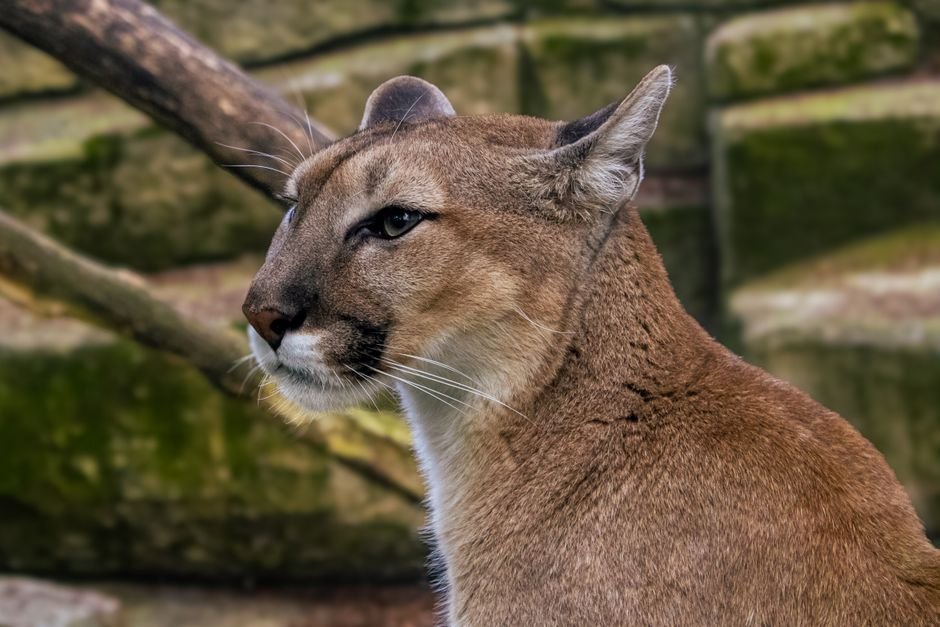
Mountain lion attacks in Colorado and California have doubled over the past eighteen months, putting rural communities and wildlife agencies on a collision course over predator management. Three livestock kills in Gunnison County last month and a fatal attack on a family dog in Siskiyou County have reignited demands for hunting seasons—while conservation groups argue the data doesn’t support population culls.
The numbers tell competing stories. State wildlife agencies report mountain lion populations have grown 35-40% since 2010 in key Western states, with Colorado estimating 4,500-5,500 lions and California protecting roughly 4,000-6,000 under its 1990 hunting ban. But biologists disagree on whether higher encounter rates reflect actual population growth or increased human development pushing into lion habitat.
Ranchers Bear the Cost of Protection
For rural livestock operators, the debate feels academic when they’re burying calves. Gunnison County rancher Tom Hendricks lost $8,000 in livestock to confirmed lion kills this spring. State compensation programs reimbursed $4,200—after six months of paperwork. “They want us to coexist with apex predators while our profit margins disappear,” Hendricks said. “Try explaining to the bank why you can’t make your payment because a protected species ate your inventory.”
Montana and Idaho allow controlled lion hunting, with harvest quotas adjusted annually based on population surveys. Those states report stable livestock depredation rates. California’s hunting prohibition, passed by ballot initiative, offers no population management tool beyond reactive “depredation permits” issued after livestock losses occur.
Conservation Groups Defend Current Protections
Wildlife advocates argue the real problem is habitat fragmentation, not overpopulation. “We’re building subdivisions in traditional lion corridors and then acting surprised when they show up,” said Jennifer Martinez of Western Wildlife Defense. She points to studies showing lion densities remain within historical ranges—it’s human density that’s changed.
Martinez notes that 70% of “problem lions” removed under depredation permits are young males dispersing to establish territory—natural behavior that hunting seasons won’t prevent. “Killing lions doesn’t make remaining lions avoid livestock. It just creates territorial vacuums that draw in more young males.”
What’s at Stake for Rural America
The conflict boils down to who controls wildlife decisions affecting private land. Urban voters in Sacramento and Denver pass ballot measures protecting predators. Rural families absorb the economic and safety consequences. As one Montrose rancher put it: “They get to feel good about wildlife. We get to bury our dogs and wonder if our kids are safe at the bus stop.”
Key Points
- Mountain lion encounters doubled in 18 months across Colorado and California
- Western states estimate lion populations grew 35-40% since 2010
- Ranchers lose thousands to livestock kills while reimbursement lags months behind
- Conservation groups argue habitat loss, not overpopulation, drives conflicts
- Rural communities want local control over predator management affecting their land
Aporia News – July 14, 2026