
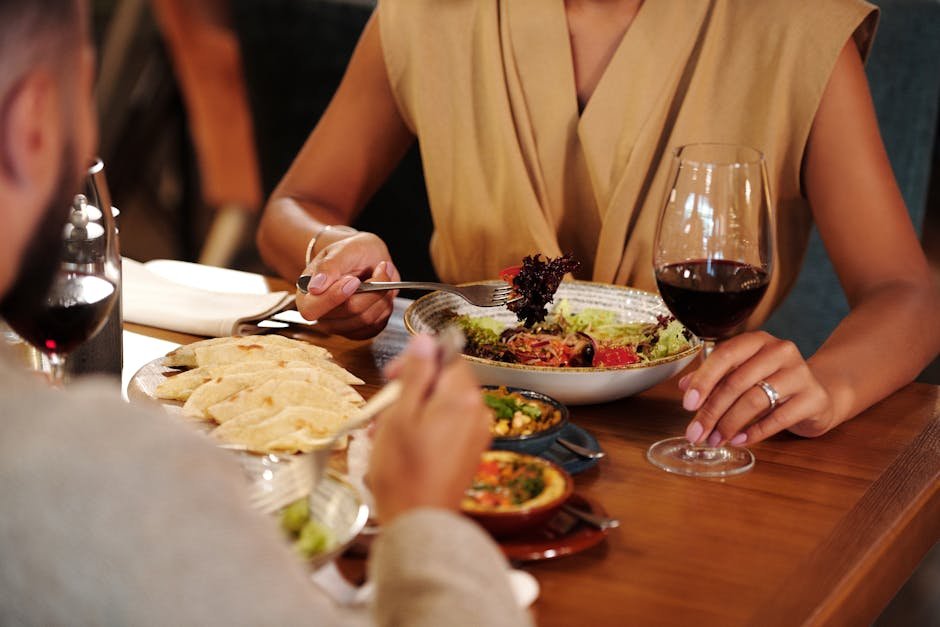
A night out for two now costs the average millennial $252, according to new findings from BMO Financial Group, sparking fierce debate on social media about what some are calling “date-flation” — the latest casualty of years of sustained price increases across the economy.
The bank’s survey reveals millennials are spending more than twice what older generations typically pay for comparable evenings out. Generation X reports average date costs of $130, while baby boomers spend just $81. The gap reflects not just different entertainment choices, but sharply divergent experiences with inflation’s impact on discretionary spending.
Dinner and drinks drive most of the expense. Restaurant prices have climbed 25 percent since 2020, while alcohol prices at bars and restaurants have jumped even faster. Add in ride-sharing costs, which have nearly doubled in many markets, and a simple dinner date can easily top $200 before dessert arrives.
Social media erupted over the findings, with younger Americans expressing frustration that basic social activities now carry price tags once reserved for special occasions. “My parents’ generation could afford a house, two cars, and regular date nights on one income,” one viral post read. “We’re splitting a $300 tab and living with roommates at 35.”
The spending pattern raises questions about long-term financial stability for a generation already lagging in homeownership, retirement savings, and wealth accumulation compared to their parents at the same age. Financial advisors warn that high entertainment spending, combined with elevated housing costs and student loan payments, leaves little room for building the nest eggs previous generations could count on.
Some millennials report cutting back on dating frequency rather than reducing per-date spending, treating outings as occasional splurges instead of regular occurrences. Others have shifted to cheaper alternatives — cooking at home, hiking, or streaming movies — though these options don’t always deliver the same social experience that traditional dates provided their parents’ generation.
The BMO survey also found that younger consumers are more likely to use credit cards for date expenses, with 43 percent carrying balances month-to-month compared to just 22 percent of boomers. That pattern suggests date-flation isn’t just affecting social lives — it’s contributing to debt loads that compound financial challenges down the road.
Economists note the phenomenon reflects broader concerns about whether the American middle class can maintain the lifestyle standards previous generations enjoyed. When a routine dinner date costs what a week’s groceries did a generation ago, something fundamental has shifted in the economy’s relationship to everyday life.
Key Points
- Millennials report spending $252 on average dates compared to $81 for baby boomers, driven largely by restaurant and transportation price increases
- The spending gap reflects not just different tastes but sharply different inflation experiences, with restaurant prices up 25 percent since 2020
- High date costs add to financial pressures on a generation already lagging in homeownership and retirement savings, with many using credit cards and carrying balances for social expenses
https://www.cnbc.com/2026/05/23/date-flation-average-millennial-date-costs-252.html – May 23, 2026