
Americans planning to buy a car should brace for higher borrowing costs as Treasury yields surge to levels not seen in two decades, according to financial experts tracking the bond market.
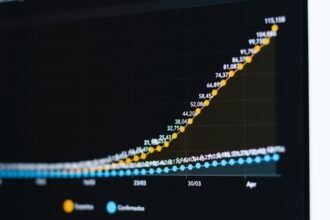
The yield on five-year Treasury notes climbed above 5% Thursday morning, the highest since 2006. The 10-year note hit 5.15%, and the 30-year bond reached 5.446%—a level last seen in 2004. These moves signal trouble for car buyers because auto loan rates typically track the five-year and 10-year Treasury yields.
Why Bond Yields Control Your Car Payment
“Many auto loan interest rates move with the five-year or 10-year Treasury note. When bond yields are on the rise, we typically see auto loan interest rates move up as well,” said Patrick Manzi, chief economist for the National Automobile Dealers Association.
The spike in Treasury yields follows stronger-than-expected economic data that has reignited inflation fears and raised expectations the Federal Reserve will continue raising interest rates. Last week, the Fed pushed its benchmark rate up a quarter-point to a range of 3.75% to 4.0%—the rate banks charge each other for overnight lending that ripples through the entire credit system.
What Buyers Face at the Dealership
For families already squeezed by high car prices and elevated interest rates, the rising yields mean monthly payments will climb even higher. A buyer financing a $35,000 vehicle over five years would see monthly payments increase by roughly $30 to $40 for every percentage point increase in the loan rate—adding hundreds of dollars to the total cost of ownership.
The Fed’s rate increases affect both what consumers pay to borrow and what savers can earn on deposits, creating a double-edged impact on household finances. While higher rates benefit retirees living on fixed-income investments, they punish anyone carrying variable-rate debt or seeking new loans.
Buyers should watch the five-year Treasury yield closely in coming weeks. Any move above 5.25% would likely push average new car loan rates into territory that prices many middle-class families out of the market entirely, forcing more Americans into used vehicles or延长ing the life of aging cars.
Key Points
- Five-year Treasury yields topped 5% for the first time since 2006, directly impacting auto loan rates
- The Federal Reserve raised its benchmark rate last week to 3.75%-4.0%, fueling additional borrowing cost increases
- Monthly payments on a $35,000 car loan could rise $30-40 for each percentage point increase in rates
https://www.cnbc.com/2026/09/24/car-loan-rates-may-rise-as-treasury-yields-climb.html – September 24, 2026