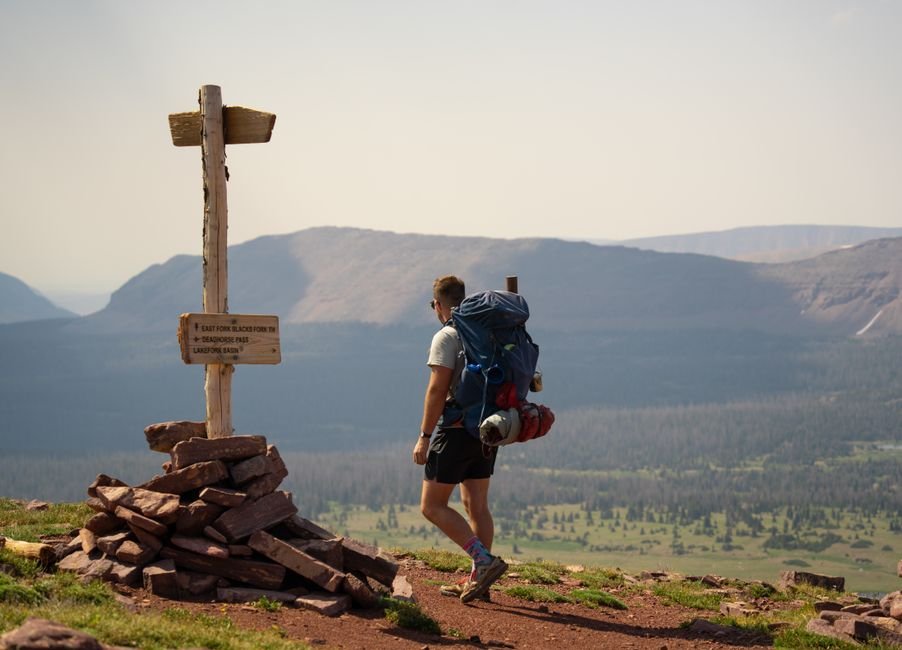
The Thorofare region of Wyoming’s Bridger-Teton National Forest holds a distinction no other place in the Lower 48 can claim: at 21.7 miles from the nearest road, it’s the most remote spot south of Canada. For generations, horsepacking outfitters, backcountry hunters, and serious anglers have made the grueling trek to chase native Yellowstone cutthroat trout in streams where grizzlies outnumber people. But that’s changing.
What was once a destination only the hardiest outdoorsmen would attempt is now seeing enough traffic that families report “dodging other fishermen and horsepackers” during prime season. The wilderness that defined remoteness in America is filling up — and the federal agencies managing it face an impossible choice.
When Wilderness Protection Creates Its Own Problem
The Thorofare’s popularity stems partly from successful conservation. Yellowstone cutthroat populations have rebounded in many waters after decades of restoration work. That’s brought more anglers. Social media fishing reports that once circulated quietly among guides now reach thousands. Outfitters who used to have these drainages to themselves are booking clients years in advance.
But here’s the rub: the Wilderness Act of 1964 mandates these areas remain “untrammeled by man” while simultaneously guaranteeing public access. You can’t build more trails or campsites without violating wilderness character. You can’t restrict access without denying the hunting and fishing rights rural Westerners view as birthright.
The Permit System Debate Nobody Wants
Federal managers are quietly discussing permit systems and seasonal closures — the same approach that’s turned parts of Yellowstone and Grand Teton into reservation-required destinations. Outfitters who’ve held permits for decades worry about losing livelihood. Independent hunters and anglers see it as government rationing of public land their families have used for generations.
The alternative is watching the Thorofare become what’s happened elsewhere: loved to death, with overused campsites, degraded fisheries, and the very wildness that drew people there diminished by their presence.
What’s at Stake for Hunters and Anglers
This isn’t just about one remote valley in Wyoming. From Montana’s Bob Marshall to Colorado’s Weminuche, America’s premier backcountry hunting and fishing destinations face the same pressure. The generation that fought to protect these places from roads and development now watches their grandkids need lottery permits to hunt elk in wilderness their families pioneered.
The Thorofare represents something bigger than overcrowding — it’s the test case for whether America can preserve both wild places and the public’s unfettered right to use them.
Key Points
- The Thorofare, 21.7 miles from any road, is seeing unprecedented backcountry traffic
- Federal agencies are considering permit systems and seasonal closures to manage crowds
- The debate pits wilderness preservation against traditional public access rights for hunters and anglers
https://www.outdoorlife.com/fishing/thorofare-yellowstone-cutthroat-trout/ – September 24, 2026