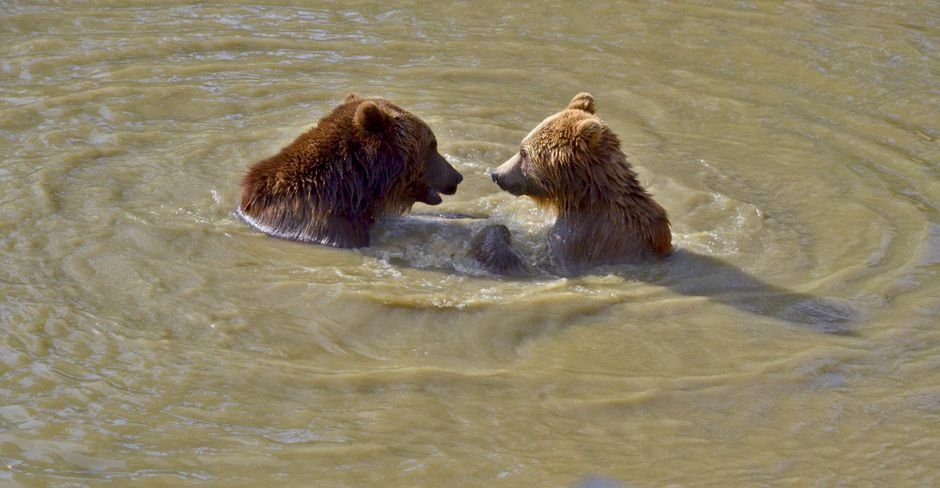
The U.S. Fish and Wildlife Service is moving toward removing Greater Yellowstone grizzly bears from Endangered Species Act protection, a decision that could restore state management and limited hunting — while reigniting one of the West’s most bitter conservation battles.
At the center of the conflict: 1,000 grizzlies now ranging far beyond Yellowstone’s boundaries, increasingly into ranch country where livestock losses are mounting and human encounters are becoming routine.
Recovery Success or Premature Delisting Risk
Federal biologists point to clear numbers. Grizzly populations in the Greater Yellowstone Ecosystem have climbed from roughly 150 bears in 1975 to over 1,000 today — well above the recovery target of 500. Bears occupy more habitat than at any time since the 1800s, with breeding females documented across 22,000 square miles.
Conservation groups argue those numbers mask genetic isolation concerns and climate threats to key food sources like whitebark pine. They warn that state-managed hunting seasons could quickly reverse decades of recovery work, noting that Wyoming’s proposed hunt framework would allow 22 bear kills annually.
Ranchers Bear the Cost of Conservation
For ranchers in Montana, Wyoming, and Idaho, the debate looks different from horseback. Grizzly-caused livestock losses topped 140 head in 2025, with compensation programs covering market value but not the cost of extra hands, lost genetics, or stressed herds. Some operations have abandoned traditional grazing allotments entirely.
“We supported recovery when bears stayed in the high country,” says one Carbon County rancher. “Now they’re in our calving pastures, and we can’t defend our own property without federal permission.”
Defenders of Wildlife counters that livestock losses represent a fraction of one percent of regional cattle operations, and that coexistence tools — from electric fencing to range riders — can reduce conflicts when properly funded.
What State Management Could Change
Delisting would transfer management authority to state wildlife agencies, potentially opening limited hunting seasons for the first time in 50 years. Supporters argue this would give states flexibility to address problem bears and reduce human-wildlife conflict. Critics fear it would politicize science-based management and prioritize hunting opportunity over long-term population health.
At stake is whether America’s most iconic predator recovery story becomes a model for collaborative conservation — or a cautionary tale about what happens when rural communities feel conservation success comes entirely at their expense.
Key Points
- Greater Yellowstone grizzlies have grown from 150 to over 1,000 bears since ESA listing
- Ranchers report mounting livestock losses and safety concerns as bears expand into working landscapes
- Delisting would enable state management and potentially limited hunting for first time in five decades
Aporia News – October 10, 2026