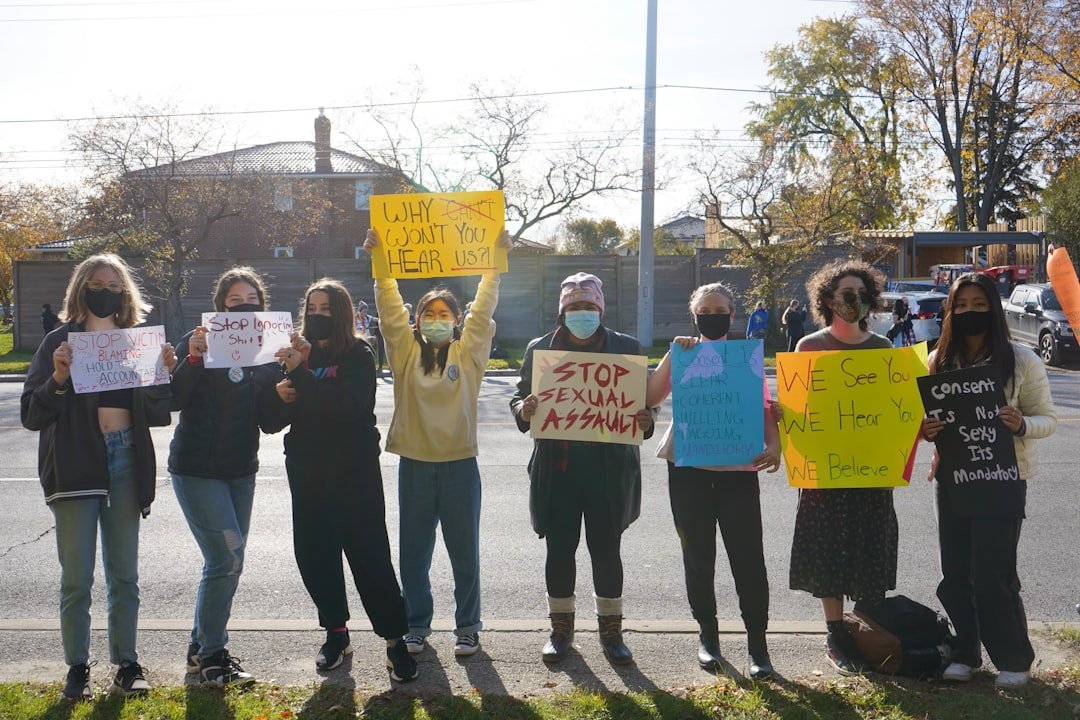
A federal judge has ordered Arizona State University to hand over the names of students who reported anti-Semitism after a pro-Palestine campus protest, ruling their complaints could contain evidence crucial to a First Amendment lawsuit brought by demonstrators the university suspended.
U.S. District Judge John J. Tuchi rejected ASU’s argument that disclosing the identities would expose students to retaliation or discourage future safety complaints. The ruling allows sixteen suspended students suing university President Michael Crow to identify witnesses who may have seen what actually happened during the April 26, 2024 protest where at least 70 students were arrested.
What the Students Are Alleging
The suspended students claim Crow retaliated against their protected speech when he punished them for participating in a demonstration against U.S. military aid to Israel during the ongoing Israeli-Hamas conflict. Their lawsuit alleges the university violated their First Amendment rights by using disciplinary action to silence political viewpoints administrators opposed.
The case turns on what witnesses actually saw and heard during the protest. Students who filed anti-Semitism complaints immediately afterward may provide testimony about whether the demonstration crossed from protected speech into harassment or threats—or whether the complaints reflect disagreement rather than genuine safety concerns.
Judge Draws Line on Earlier Complaints
Tuchi limited his order to complaints filed after the April 2024 protest. The plaintiffs had also sought names of students who complained before that date, but the judge denied that request while acknowledging those earlier complaints “might still be relevant to the state of mind of the defendant because of the effect they might have had.”
The disclosed names will remain confidential unless those students are formally listed as trial witnesses, providing some protection while allowing both sides to prepare their cases with complete information.
Stakes Beyond One Campus
The case reflects tensions playing out at universities nationwide as administrators balance free speech protections, campus safety concerns, and pressure from donors and politicians over Israel-related protests. How courts define the line between protected political demonstration and actionable harassment will shape student rights and university authority for years.
For the Arizona State students, the immediate question is whether witness testimony supports their claim that Crow punished speech he disliked rather than conduct that genuinely threatened others. The revealed identities will help answer whether the complaints describe criminal behavior or simply protest that made some students uncomfortable.
Key Points
- Sixteen suspended ASU students claim President Michael Crow retaliated against their First Amendment rights for protesting U.S. aid to Israel
- Judge ruled students who complained of anti-Semitism after April 2024 protest may be material witnesses to what actually happened
- Disclosed names stay confidential unless students are called to testify at trial
https://www.courthousenews.com/witness-identities-in-first-amendment-case-over-pro-palestine-demonstrations-must-be-revealed-judge-rules/ – July 16, 2026