The Klamath Basin sits at the heart of America’s most bitter water war. For over two decades, farmers who’ve irrigated desert into farmland have fought federal regulators over who gets the water—crops or fish. This November, that fight entered a new phase as the Bureau of Reclamation announced preliminary allocations for 2027 that would cut irrigation deliveries by 40 percent to protect threatened coho salmon runs.
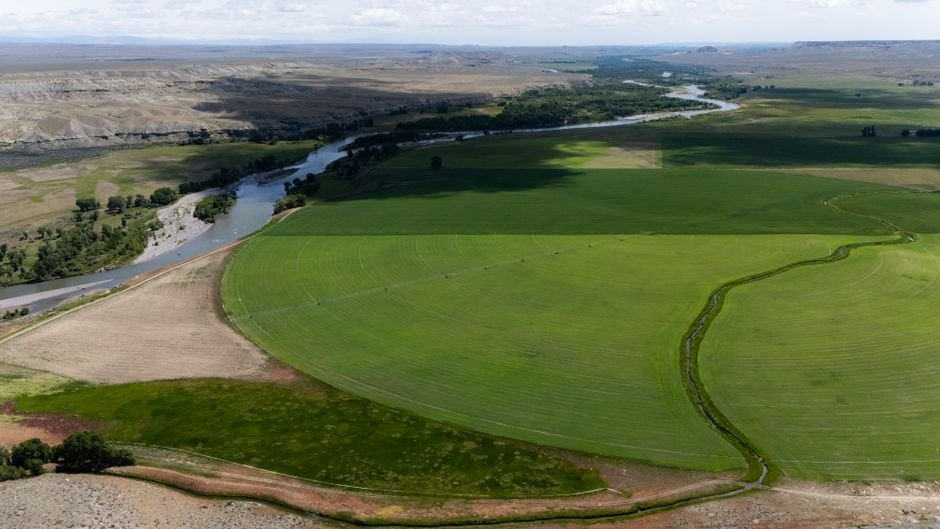
Fourth-generation farmer Dale Pritchard says the numbers don’t add up to survival. “My grandfather turned sagebrush into productive ground that feeds people. Now they’re telling me endangered fish that weren’t even here originally matter more than food production.” The Klamath Project, built in 1906, transformed 240,000 acres of southern Oregon and northern California into agricultural land supporting roughly 1,400 farm families.
The Biological Opinion Behind the Cuts
Federal wildlife agencies argue the water reductions aren’t arbitrary—they’re required by law. The National Marine Fisheries Service’s biological opinion found that current irrigation withdrawals leave water temperatures too warm and flows too low for juvenile coho salmon migrating through the Klamath River system. The coho, listed as threatened since 1997, has seen populations crash to less than 10 percent of historical numbers.
Fisheries biologist Karen Chen points to decades of data: “When irrigation demand peaks in July and August, river temperatures regularly exceed 70 degrees. That’s lethal for salmon. We’re not inventing this crisis—the fish counts speak for themselves.” Environmental groups add that tribal communities have treaty rights to harvestable salmon runs, rights that predate the irrigation project itself.
Property Rights Versus Federal Mandates
Agricultural representatives counter that farmers hold senior water rights dating to the project’s authorization, and that the Endangered Species Act shouldn’t nullify contracts the government itself issued. The Klamath Water Users Association is exploring legal challenges, arguing the biological opinion overstates fish needs while understating economic devastation.
The conflict goes beyond one river basin. Similar battles are playing out across the West—from Rio Grande silvery minnow restrictions affecting New Mexico ranchers to delta smelt protections reducing California’s agricultural allocations. Each pits federal wildlife mandates against water rights that rural communities built their livelihoods around.
What Hangs in the Balance
The Bureau of Reclamation will finalize 2027 allocations in March. Whatever the decision, it won’t satisfy everyone. Farmers face potential crop losses exceeding $200 million if cuts proceed. But salmon populations may not survive another decade of current conditions. The question neither side can dodge: who decides how the West’s limited water gets divided when both food production and native species are on the line?
Key Points
- Bureau of Reclamation may cut Klamath Basin irrigation by 40% to protect coho salmon listed as threatened since 1997
- Farmers holding century-old water rights say restrictions could cause $200 million in crop losses and threaten family operations
- The conflict mirrors water battles across the West where Endangered Species Act mandates clash with agricultural water rights
Aporia News – November 10, 2026