The U.S. Navy has the firepower to blast open the Strait of Hormuz if Iran shuts down the world’s most critical oil chokepoint, but Washington shouldn’t go it alone, former Defense Secretary Lloyd Austin said Monday.
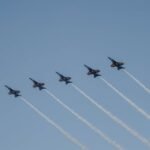
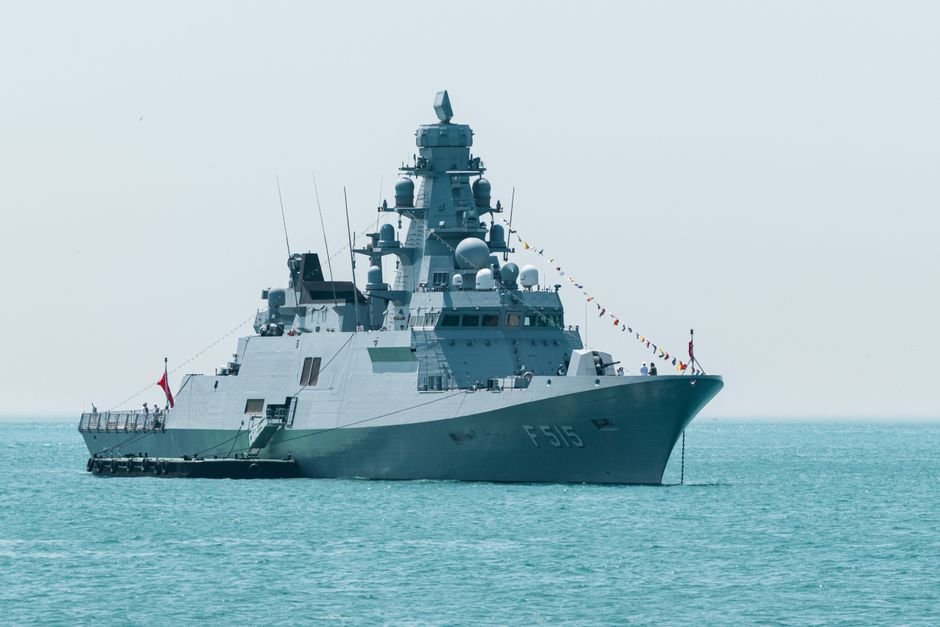
Austin, who ran the Pentagon under President Biden, told Bloomberg at a Gulf Cooperation Council conference that America possesses the military muscle to reopen the narrow waterway through which one-fifth of global oil supplies flow. But he cautioned that any operation would require backing from international partners to avoid looking like unilateral American aggression.
“Certainly, the United States Navy could open the Strait of Hormuz,” Austin said, confirming what military analysts have long assumed but few officials state so bluntly. The strait, just 21 miles wide at its narrowest point, sits between Iran and Oman and serves as the gateway for oil tankers leaving the Persian Gulf.
Iran has repeatedly threatened to close the waterway during tensions with the West, most recently as nuclear negotiations stalled and regional proxy conflicts escalated. Such a closure would choke off crude supplies from Saudi Arabia, the UAE, Kuwait, Iraq, and Qatar — sending already elevated gas prices skyward and hammering American consumers at the pump.
Austin’s comments come as the U.S. faces mounting questions about its military commitments abroad while struggling to recruit enough sailors and maintain an aging fleet. The Navy currently fields 295 ships, down from over 590 at the Cold War’s end, even as it faces growing challenges from China in the Pacific and Iran in the Middle East.
Opening the strait by force would likely require mine-clearing operations, naval bombardment of Iranian coastal defenses, and round-the-clock air patrols — a massive undertaking that would stretch American forces already deployed across multiple theaters. Austin’s emphasis on allied support reflects both the military complexity and the political risk of acting without international cover.
The strait remains open for now, but Iran’s Islamic Revolutionary Guard Corps regularly harasses commercial vessels and has seized tankers in recent years. Tehran views control of the waterway as one of its few genuine leverage points against Western pressure over its nuclear program and support for militant groups.
For American families watching gas prices and grocery bills, Austin’s message is clear: the Navy can do the job if needed, but the cost — in both dollars and potential escalation — makes prevention the better option.
Key Points
- Former Defense Secretary Lloyd Austin says U.S. Navy could reopen Strait of Hormuz by force if Iran closes the waterway
- One-fifth of global oil supplies pass through the 21-mile-wide strait, making closure a direct threat to American gas prices
- Austin stresses any military operation would need international allied support to avoid accusations of unilateral aggression
https://thehill.com/policy/defense/5916379-lloyd-austin-us-strait-hormuz/ – June 09, 2026