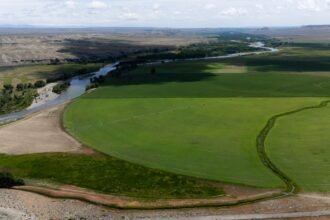
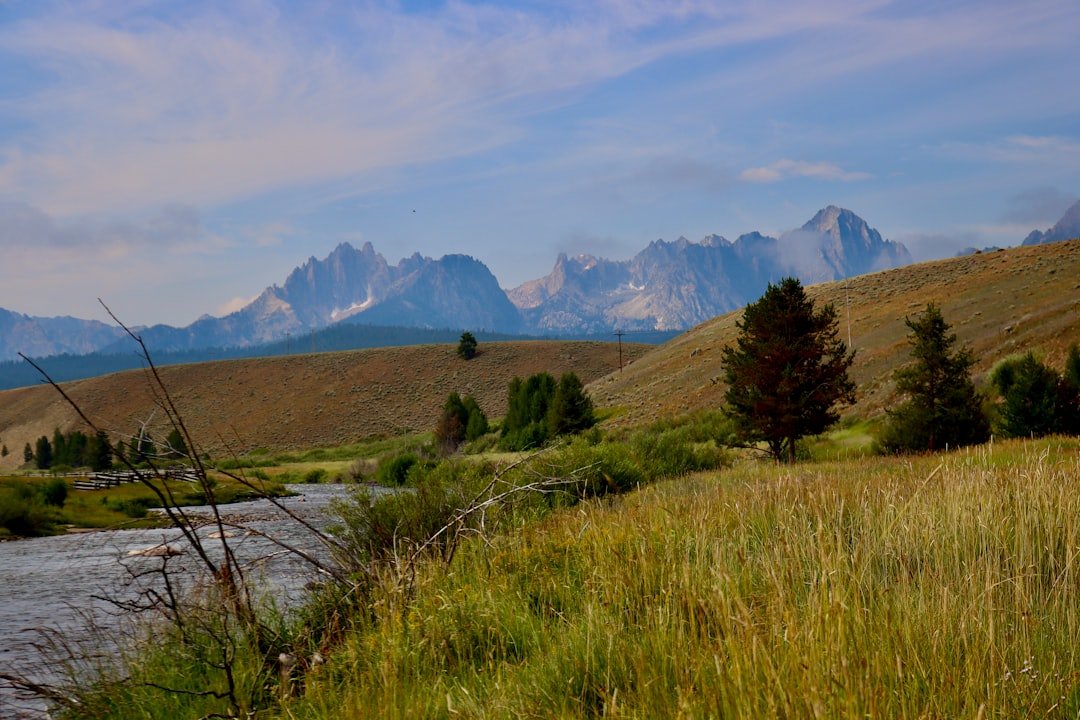
The Klamath Basin water wars are flaring up again. Federal regulators just ordered Idaho ranchers to cut irrigation by 40 percent to protect dwindling salmon runs in the Snake River tributaries—a decision that could bankrupt fourth-generation farming operations while reigniting one of the West’s oldest conflicts: who owns the water?
At stake are competing claims that both sides call existential. Conservationists point to Chinook salmon populations that have crashed 90 percent since the 1970s, arguing that without sufficient cold water flows, the species faces extinction. Agricultural families counter that their water rights predate the Endangered Species Act by a century, and that federal mandates are destroying rural communities to save fish that might already be beyond recovery.
The Conservation Case for Stream Flow
Federal biologists say the math is brutal. Snake River Chinook need water temperatures below 68 degrees to survive spawning season. When ranchers draw irrigation water in July and August, streams shrink to trickles and temperatures spike into the mid-70s—lethal for eggs and juveniles. Last summer, wildlife officials documented thousands of dead salmon in overheated tributaries.
Environmental groups argue that western water law was written when salmon were abundant, and that continuing to honor 19th-century irrigation claims while ignoring ESA obligations is simply choosing extinction. They note that tribal fishing rights, also centuries old, are being sacrificed alongside the salmon themselves.
Why Ranchers Say They’re Being Sacrificed
Agricultural water users see something different: federal bureaucrats rewriting property law through biological opinions. These aren’t new farms—many families have held water rights since territorial days, recognized in state law and court precedent. A 40 percent cut means fallowing fields, selling cattle, and laying off workers in counties where unemployment already tops 12 percent.
Ranchers argue they’re being scapegoated for problems they didn’t create—hydroelectric dams, ocean conditions, decades of overfishing—while tribes and cities face no comparable restrictions. They point out that even with perfect stream conditions, salmon still face four compromised mainstem dams and warming Pacific waters. Bankrupting agriculture, they say, won’t bring back fish but will end a way of life.
What Comes Next for Western Water
The Idaho case is headed to federal court, but similar battles are erupting across the West as climate change shrinks snowpack and endangered species listings multiply. At stake is whether century-old water law can coexist with modern environmental mandates—or whether one must give way entirely. For rural communities already watching their economies and traditions fade, it’s a question that goes beyond conservation to survival itself.
Key Points
- Federal regulators ordered 40% irrigation cuts to protect Snake River Chinook salmon facing extinction from warm water temperatures
- Idaho ranchers argue their century-old water rights are being erased by endangered species mandates that ignore economic devastation
- The case represents growing western conflicts where traditional water law collides with modern conservation requirements and climate change
Aporia News – July 10, 2026