The EPA announced this week it will reopen public comment on a controversial rewrite of Clean Water Act regulations—a move that has duck hunters and cattlemen squaring off over what should and shouldn’t be considered “waters of the United States.” At stake: which wetlands, streams, and seasonal waterways fall under federal protection, and which get left to the states.
According to documents reviewed by Outdoor Life, the proposed rule change could remove federal protections from up to 80 percent of the nation’s wetlands. For waterfowlers who’ve watched prime duck habitat disappear to drainage and development, that’s a gut punch. For ranchers who’ve battled federal regulators over stock ponds and irrigation ditches, it’s long-overdue relief from government overreach.
The Waterfowl Habitat Question Nobody Wants to Answer
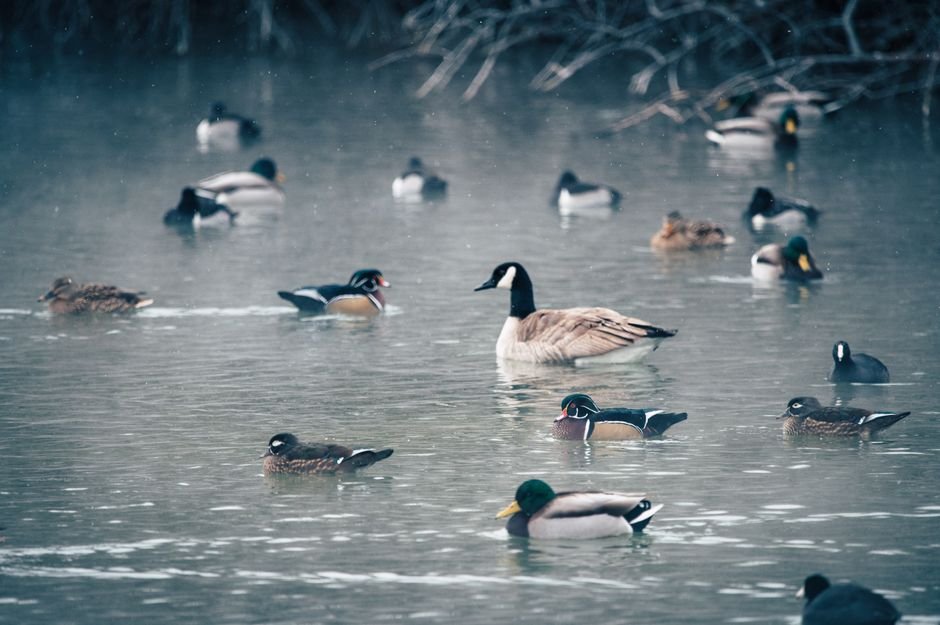
Ducks Unlimited and other hunting conservation groups have made clear where they stand: wetlands are the foundation of waterfowl populations, and losing federal protections means losing nesting and migration habitat. Seasonal wetlands—the very ones most likely to lose protection under the rewrite—are critical to pintails, teal, and mallards during spring migration.
But here’s the rancher’s side: the current rules let federal bureaucrats declare a mudhole in your pasture a “jurisdictional wetland” subject to permits, fines, and years of legal wrangling. Farmers have been hit with six-figure penalties for plowing fields their grandfathers plowed. That’s not conservation—that’s using environmental law as a property rights weapon.
What Happens When Conservation Becomes Federal Control
The real controversy isn’t whether wetlands matter. Every serious outdoorsman knows they do. The fight is over who decides what counts as a wetland worth protecting, and whether a seasonal drainage that holds water three weeks a year should trigger the same federal jurisdiction as the Mississippi River.
The EPA says the rewrite will “clarify” which waters fall under federal authority. Conservation groups say it guts protections that have been in place since the 1970s. Agricultural groups say it finally reins in regulatory abuse. Both sides have a point, which is why this comment period matters.
What’s at Stake for Rural America
If you hunt ducks, you need wetlands. If you run cattle, you need water and the ability to manage your land without federal permission slips. This isn’t an either-or situation, but Washington keeps treating it like one. The comment period is open—which means rural Americans better speak up before someone else decides what happens to the land they live on.
Key Points
- EPA reopening comment on Clean Water Act rewrite that could remove federal protections from 80% of U.S. wetlands
- Waterfowl groups warn loss of seasonal wetland protections threatens duck habitat; agricultural groups say current rules enable federal overreach on private land
- Comment period gives rural landowners and hunters chance to weigh in before regulators decide what counts as protected water
https://www.outdoorlife.com/conservation/epa-wotus-public-comment/ – September 05, 2026