
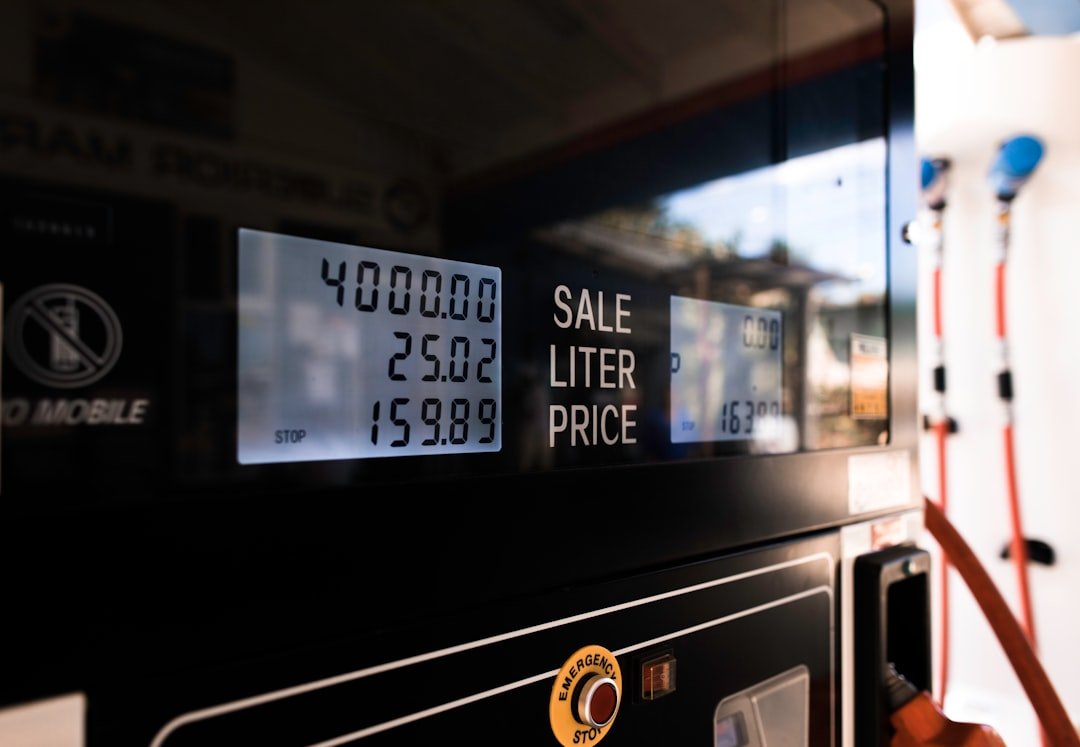
The peace deal framework between the U.S. and Iran won’t bring back $2.50 gasoline — at least not before November’s midterm elections. Even if the Strait of Hormuz reopens immediately, American families should expect pump prices to stay elevated for months, possibly through the end of the year.
U.S. retail gas prices track global oil markets, and those markets remain severely disrupted. The war choked off nearly 20% of the world’s seaborne crude oil supply when Iran threatened shipping lanes through the strait. Reopening those lanes doesn’t flip a switch — it takes time for supply chains to normalize, for traders to regain confidence, and for inventories to rebuild.
Oil refiners and distributors also face their own bottlenecks. Many adjusted their operations during the conflict, cutting back on certain products or shifting to alternative suppliers. Reversing those changes requires capital investment and coordination across multiple countries. None of that happens overnight.
The political calendar makes the timing particularly painful for the administration. Voters will head to the polls in six months with gas prices fresh in their minds. High fuel costs ripple through everything Americans buy — groceries, utilities, Amazon deliveries. It all gets more expensive when trucks and ships pay more to move goods.
The White House has limited tools to accelerate the process. The Strategic Petroleum Reserve remains depleted from earlier releases. Domestic production can’t surge fast enough to offset global market dynamics. And even if U.S. drillers wanted to ramp up quickly, they’d need months to bring new wells online.
Foreign policy wins rarely translate to immediate relief at the pump. Markets need proof that peace will hold before they price in stability. Traders remember how quickly tensions can flare in the Middle East. Until shipping through the strait runs smoothly for weeks, maybe months, oil futures will carry a risk premium.
For families already stretched by inflation, the message from Washington offers cold comfort: the war may be ending, but your weekly fill-up isn’t getting cheaper anytime soon. Retirees on fixed incomes, workers with long commutes, small business owners watching their margins shrink — all of them will keep paying more through at least the fall.
The disconnect between diplomatic progress and kitchen-table economics underscores a basic truth: wars end with signatures, but their costs linger long after the cameras leave. American consumers are learning that lesson one tank of gas at a time.
Key Points
- Gas prices will remain significantly above pre-war levels at least through the November midterm elections, even with an immediate Iran peace agreement
- The war disrupted 20% of global seaborne oil supply, and normalizing those supply chains requires months, not weeks
- The White House has few tools to accelerate relief — the Strategic Petroleum Reserve is depleted and domestic production can’t ramp up fast enough to offset global market pressures
https://www.axios.com/2026/05/07/gas-prices-iran-war-peace-deal – May 07, 2026