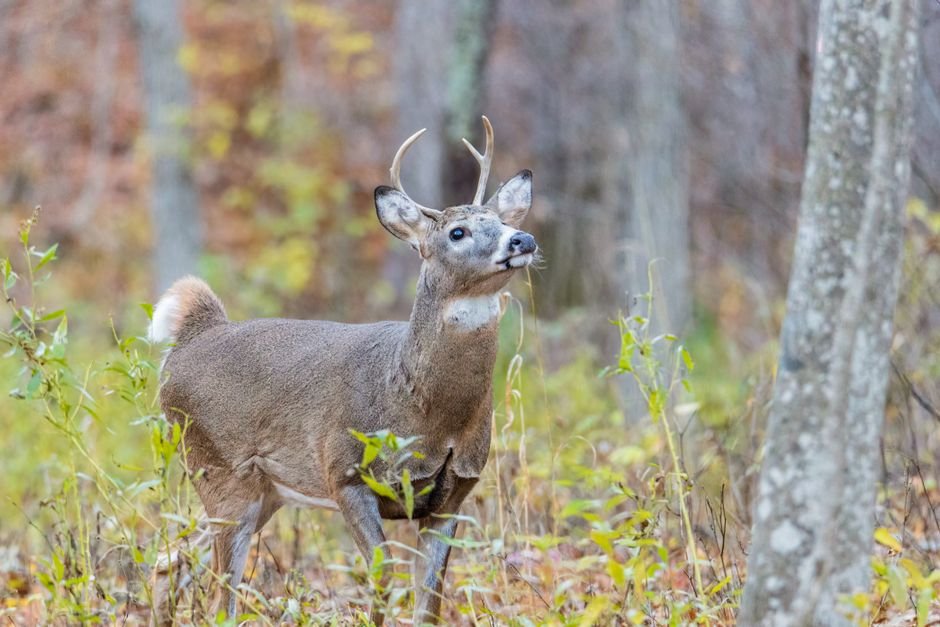
Every spring, hunters stumble across newborn fawns hidden in the woods—perfectly camouflaged, odorless, and so still they seem carved from stone. It’s one of nature’s most remarkable survival strategies. But that 200-day gestation period that makes May fawning season so predictable is now at the center of a growing debate about deer management that pits traditional hunting culture against increasingly aggressive harvest strategies.
Wildlife biologists have long used the whitetail’s seven-month gestation cycle to calculate peak rut timing and plan hunting seasons. Count back 200 days from late May fawns, and you know exactly when breeding occurred the previous November. That knowledge has helped hunters for generations. But now, some state agencies are using that same biological calendar to justify dramatic increases in doe harvest—sometimes to levels that alarm hunters who’ve watched their local herds decline.
The Push for Aggressive Doe Harvest
In multiple states, wildlife managers are promoting heavy doe harvests to control deer populations, arguing that high fawn recruitment rates—the percentage of does successfully raising fawns—mean herds can sustain aggressive hunting pressure. The math seems simple: if 85% of does produce fawns annually, the population can absorb significant doe removal.
But many veteran hunters aren’t buying it. They’re seeing fewer deer, particularly in areas where doe harvest has been liberalized through bonus tags, extended seasons, and unlimited antlerless permits. The disconnect between agency population models and what hunters observe from their stands has created deep mistrust.
When Models Meet Reality
The controversy isn’t about whether deer reproduce reliably—they do. It’s about whether state agencies are accurately accounting for all the mortality factors beyond hunting: vehicle collisions, predation, harsh winters, disease, and habitat loss to development. Critics argue that models assuming high fawn survival don’t reflect ground truth in areas with growing coyote populations or increasing suburban sprawl.
Some states have responded by scaling back doe harvests after hunter complaints, while others have doubled down, insisting their science is sound and hunters simply want more deer than the habitat can support.
What’s At Stake for Hunters
This isn’t just about herd numbers. It’s about whether hunters trust the agencies managing their public wildlife. When a father takes his daughter hunting and she doesn’t see a deer all weekend, no biological formula makes that right. Hunting traditions depend on sustainable populations, but also on the experience of seeing game—the very thing that creates the next generation of hunters and conservationists.
The whitetail’s remarkable reproductive cycle ensures the species will endure. Whether the hunting culture that has funded most deer conservation will endure alongside it depends on finding the balance between biological potential and hunter experience.
Key Points
- Whitetail deer’s 200-day gestation period allows biologists to predict rut timing and calculate fawn recruitment rates for harvest planning
- Many states have dramatically increased doe harvest quotas based on models assuming high fawn survival, but hunters report declining deer sightings
- The disconnect between agency population estimates and hunter observations has created growing distrust of wildlife management decisions
https://fieldandstream.com/stories/conservation/wildlife-conservation/deer-gestation-period – June 12, 2026