Pakistan rejected claims Tuesday that it provided airfield access to Iranian military aircraft during escalating tensions with the United States, while President Donald Trump publicly praised Islamabad’s behind-the-scenes diplomatic efforts to prevent wider conflict in the Middle East.
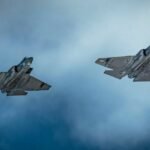
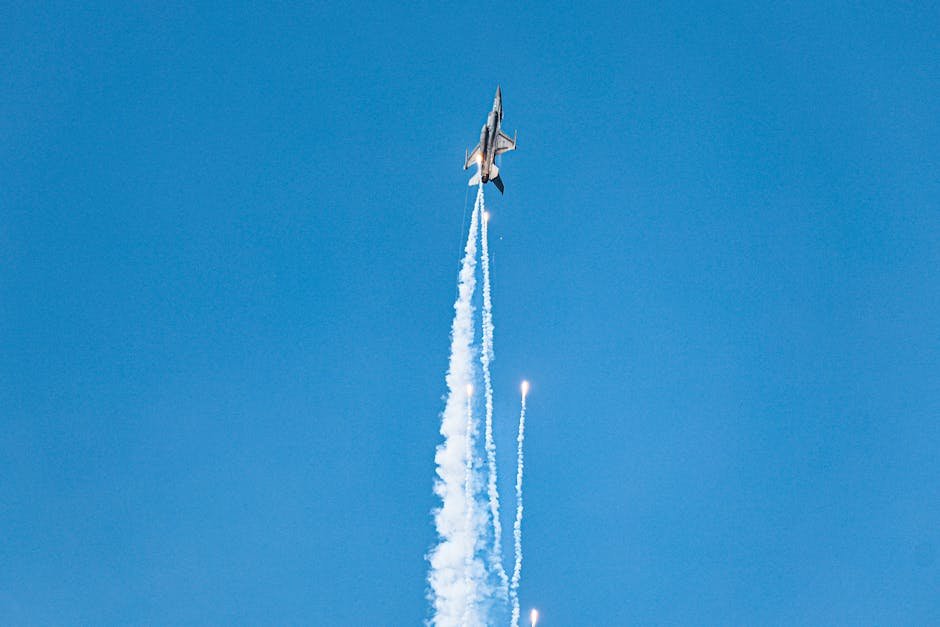
The denial from Pakistan’s foreign ministry came after unconfirmed reports suggested Iranian jets may have sought refuge at Pakistani facilities as U.S. military forces positioned assets in the region. A ministry spokesman called the allegations “completely baseless” and reaffirmed Pakistan’s policy of strict neutrality in conflicts between other nations.
Speaking to reporters at the White House, Trump offered a starkly different assessment of Pakistan’s role, describing the country’s mediation between Washington and Tehran as “absolutely great.” The president suggested Pakistani officials had opened communication channels that helped de-escalate what some defense analysts feared could spiral into direct military confrontation.
The public praise marks a notable shift in U.S.-Pakistan relations, which have fluctuated between cooperation and friction for decades. Pakistan has historically maintained relationships with both Washington and Tehran, though its ties with Iran have occasionally created tension with American policymakers concerned about regional stability and nuclear proliferation.
For American families, the stakes extend beyond diplomatic cables. Any military engagement in the Middle East risks higher gas prices, increased defense spending, and potential deployment of U.S. service members to yet another overseas conflict. The Persian Gulf region remains critical to global energy markets, with disruptions capable of sending shockwaves through household budgets already stretched by inflation.
Trump’s acknowledgment of Pakistani mediation also signals potential recalibration of U.S. strategy in South Asia. Pakistan controls key supply routes and intelligence-sharing relationships that proved vital during two decades of American operations in Afghanistan. The country’s cooperation—or lack thereof—directly affects American counterterrorism capabilities and regional influence.
The dual narrative of denial and praise suggests complex diplomatic maneuvering. Pakistan may be working to prevent escalation while protecting its relationships across the region, a balancing act that serves its own interests but could also benefit American goals of avoiding another Middle East entanglement.
Defense officials have not confirmed details of recent U.S.-Iran tensions or what specific role Pakistani diplomats played in reducing them. The administration has kept much of the recent Middle East situation out of public view, leaving congressional oversight committees seeking more information about potential threats to American personnel and interests in the region.
Key Points
- Pakistan denies providing airfield access to Iranian military aircraft amid reports of U.S.-Iran tensions
- Trump publicly credited Pakistani diplomatic efforts with helping prevent escalation between Washington and Tehran
- Any Middle East conflict risks higher energy costs and military deployments affecting American families already facing economic pressure
https://www.foxnews.com/world/islamabad-denies-sheltering-iran-jets-trump-praises-pakistans-mediation-absolutely-great – May 13, 2026