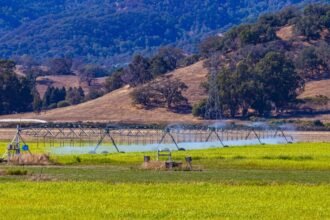
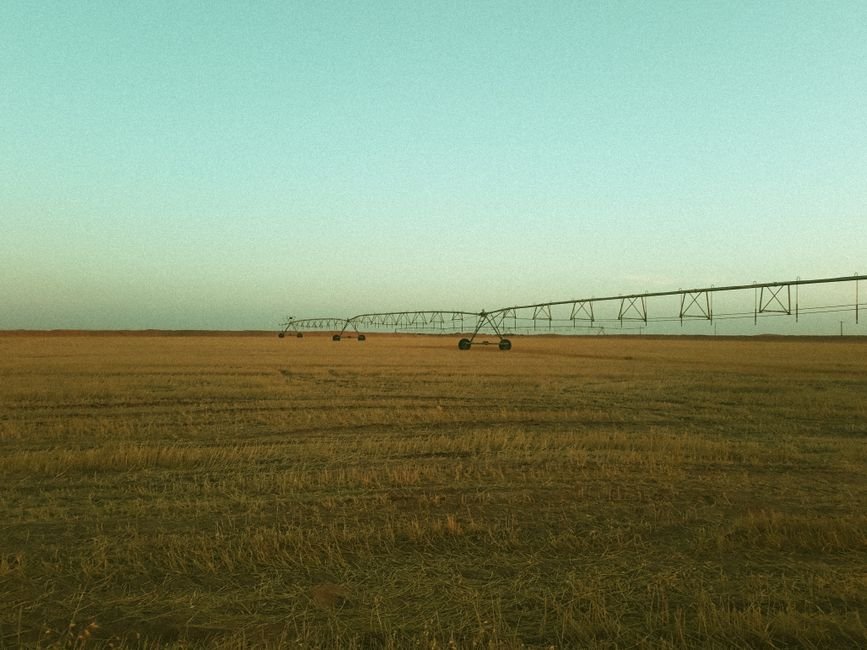
The Klamath Basin sits at the heart of an impossible equation: the same water that keeps fourth-generation farms alive also determines whether endangered sucker fish and threatened coho salmon survive. This summer, federal regulators must decide who gets priority—and rural communities are watching with clenched fists.
The Bureau of Reclamation announced emergency water restrictions affecting 1,400 farms across southern Oregon and northern California, citing Endangered Species Act requirements to maintain minimum flows for Upper Klamath Lake suckers and downstream salmon runs. Agricultural water deliveries will be cut by 60 percent during the critical July-August irrigation window.
Why Fish Need the Water
Biologists say the situation is dire. Three years of drought have pushed two sucker species toward extinction, with populations down 90 percent since 2000. Coho salmon numbers in the Klamath River system have crashed to historic lows. Water temperatures above 70 degrees trigger disease and die-offs. Federal officials argue that without emergency flows, decades of salmon recovery work—including the largest dam removal project in U.S. history—will be wasted.
Conservation groups point to legal obligations. “The Endangered Species Act doesn’t have a drought exemption,” said one environmental attorney. “These species evolved here for thousands of years. They have rights to this water.”
Why Farmers Say It’s Their Livelihood
Basin farmers see federal management failure, not natural drought. Their families homesteaded this land when the government recruited them here in 1906 with promises of reliable irrigation. They hold senior water rights dating back over a century—rights they thought were legally protected.
“We’re not against fish,” said Dan Nielsen, a third-generation alfalfa farmer. “We’re against being sacrificed for species that wouldn’t be endangered if the feds had managed the basin properly in the first place.” He notes that while farmers face 60 percent cuts, downstream tribal nations and wildlife refuges maintain their full allocations.
Rural communities face devastation. Without irrigation, hay fields turn to dust. Dairy operations collapse. Equipment loans default. Towns that depend on agricultural spending hollow out. Some farmers are leaving land that’s been in their families since Theodore Roosevelt was president.
What’s Really at Stake
The Klamath conflict previews water wars across the West. As drought intensifies and ESA listings expand, more agricultural communities face similar choices: their survival or species survival. Federal courts will decide whether century-old water rights mean anything when balanced against endangered species—and whether rural America still has a seat at the table when those decisions are made.
Key Points
- Bureau of Reclamation ordered 60% irrigation cuts affecting 1,400 Klamath Basin farms to maintain endangered fish flows
- Farmers hold century-old senior water rights they believed were legally protected, promised by federal government in 1906
- The conflict tests whether agricultural communities can survive when Endangered Species Act requirements collide with rural livelihoods
Aporia News – July 27, 2026