
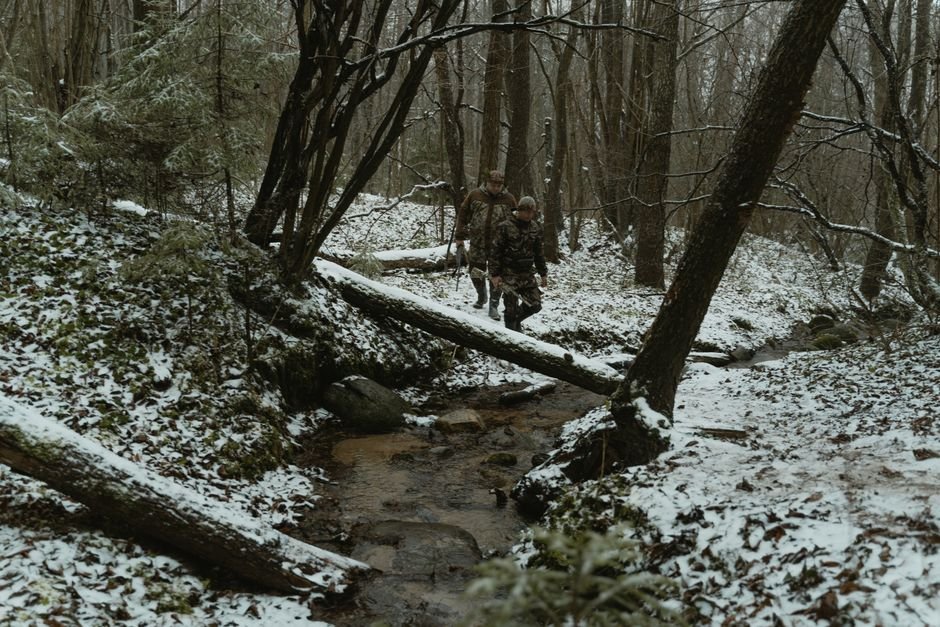
The U.S. Fish and Wildlife Service is expanding lead ammunition restrictions across millions of acres of federal wildlife refuges, citing waterfowl poisoning data while sportsmen’s groups warn the policy could price working-class hunters out of public lands they’ve used for generations.
The new regulations, set to take effect across 350 National Wildlife Refuges by September 2026, require non-lead ammunition for all hunting activities—not just waterfowl hunting, where lead shot has been banned since 1991. Federal officials say the expansion addresses ongoing lead exposure in raptors and scavengers that feed on gut piles and unretrieved game.
The Conservation Case for Lead-Free Rounds
Wildlife biologists point to peer-reviewed studies showing lead fragments from bullets contaminate carcasses far beyond the wound channel. Bald eagles, condors, and other scavengers ingest these fragments, leading to neurological damage and death. The FWS estimates lead poisoning kills tens of thousands of raptors annually, with hunters’ spent ammunition representing a significant exposure pathway alongside fishing tackle.
Conservation groups supporting the ban note that non-toxic alternatives—copper, steel, tungsten—have proven effective in states like California, which banned lead hunting ammunition statewide in 2019. They argue the technology exists; hunters just need transition support.
Why Hunters See Government Overreach
Hunting organizations counter that copper ammunition costs two to three times more than lead—turning a $25 box of deer cartridges into a $75 expense. For rural families who depend on wild game to fill freezers, that’s not trivial. The Congressional Sportsmen’s Foundation calculates the mandate could add $150-300 annually to the average hunter’s costs.
Beyond economics, many see the ban as federal agencies dictating choices on public lands that taxpayers support through excise taxes on hunting equipment. Some question whether lead from ammunition—as opposed to legacy lead paint, industrial contamination, or fishing sinkers—truly drives raptor mortality at levels justifying sweeping restrictions.
What Happens When Access Meets Affordability
The conflict crystallizes a deeper tension: Can conservation succeed if it makes traditional activities financially inaccessible to ordinary Americans? Federal refuges were established partly through sportsmen’s license fees and equipment taxes. Now those same hunters face being priced out or forced to shoulder costs many consider arbitrary.
The FWS has allocated $2 million for ammunition exchange programs, but that covers perhaps 15,000 hunters—a fraction of the millions who use these lands. What’s certain is that lead-free mandates will determine who can afford to hunt public ground, and whether conservation policy becomes something done for rural Americans rather than with them.
Key Points
- Fish and Wildlife Service expanding lead ammunition ban to 350 refuges by September 2026
- Conservation groups cite raptor poisoning data; hunters say copper rounds cost triple the price
- Debate centers on whether protecting scavengers justifies pricing working families out of public land hunting
Aporia News – June 28, 2026