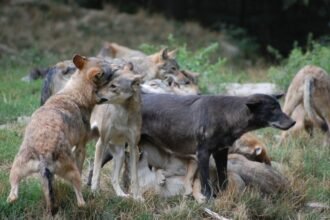
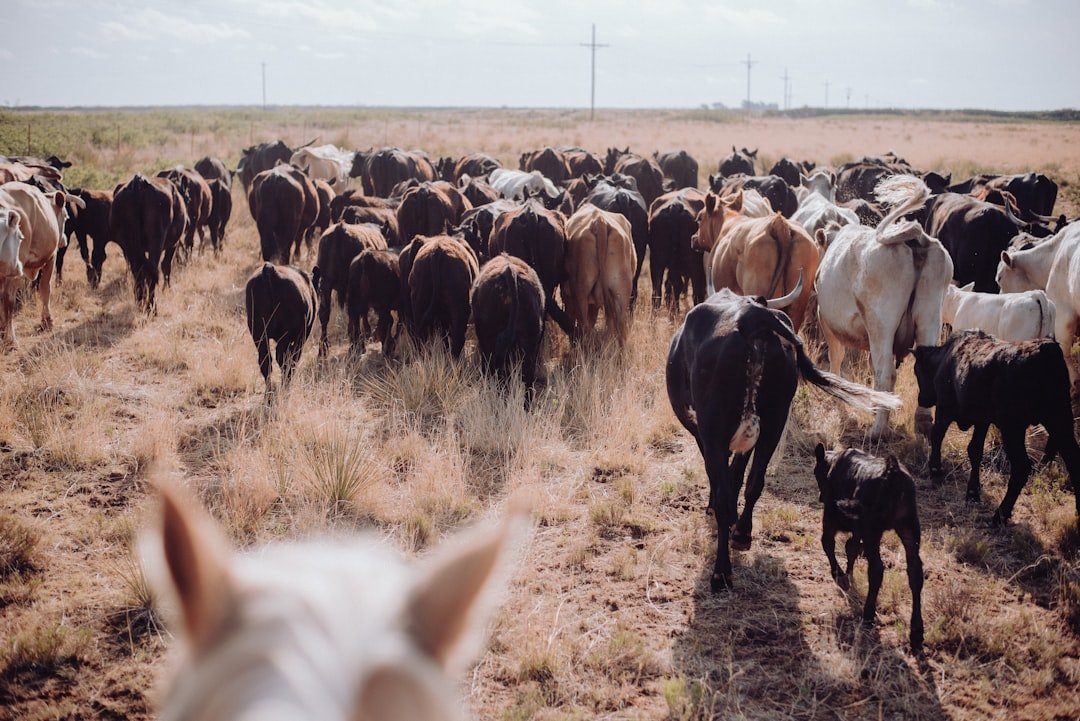
When wolves killed five calves on Jim Henderson’s Montana ranch last spring, state wildlife officials valued his loss at $3,200. His actual costs — including emergency veterinary care for injured animals, stress-induced weight loss across his herd, and increased labor for night patrols — topped $18,000. He received a check for the dead calves only, eight months later.
This gap between compensation programs and actual rancher losses has become the flashpoint in predator reintroduction debates across the West. Wildlife advocates point to successful wolf and grizzly recoveries as conservation triumphs. Ranchers counter that they’re bearing the financial burden of policy decisions made by urban voters and federal bureaucrats who’ll never lose a cow.
The Numbers Tell Competing Stories
Colorado’s new wolf compensation fund budgeted $350,000 annually for rancher losses. Wildlife Services documented $127,000 in confirmed livestock kills during the program’s first year. But the Colorado Cattlemen’s Association estimates actual economic impact at $2.3 million when including injury treatment, pregnancy losses, disrupted grazing patterns, and guard dog expenses.
The discrepancy stems from what gets counted. Compensation programs typically pay only for confirmed kills with clear evidence of predator involvement. Ranchers report finding partial carcasses, missing animals, and spontaneous abortions in stressed cattle — losses nearly impossible to definitively link to predators but temporally aligned with their presence.
What Counts as a Compensable Loss
Montana’s program won’t reimburse for calves born underweight after mothers spent energy fleeing wolves instead of grazing. Wyoming won’t pay for a bull gored by a grizzly that survived but became infertile. Oregon won’t cover the cost of moving cattle to different pastures to avoid cougar activity.
Conservation groups argue ranchers overstate losses and that compensation programs already pay fair market value for documented kills. They note that livestock losses to disease, weather, and theft far exceed predator-caused mortality. Some programs now fund range riders and guard dogs — preventive measures they say represent reasonable compromise.
Where Federal Policy Meets Ranch Economics
The tension goes beyond money. Many ranchers view compensation as government attempting to buy acceptance of policies that fundamentally change how they can use their land. “They’re not compensating me for three generations of grazing knowledge made obsolete,” one Wyoming rancher testified at recent Fish and Wildlife hearings.
What’s at stake is whether predator recovery happens with rural cooperation or rural resentment — and whether compensation systems acknowledge the full economic reality of living alongside reintroduced apex predators.
Key Points
- Montana rancher received $3,200 for wolf-killed calves while actual losses exceeded $18,000 in veterinary care, stress effects, and labor
- Compensation programs typically pay only for confirmed kills, not injuries, pregnancy losses, or disrupted grazing that ranchers attribute to predators
- The gap between documented versus actual costs has become the central conflict in Western predator recovery programs
Aporia News – August 13, 2026