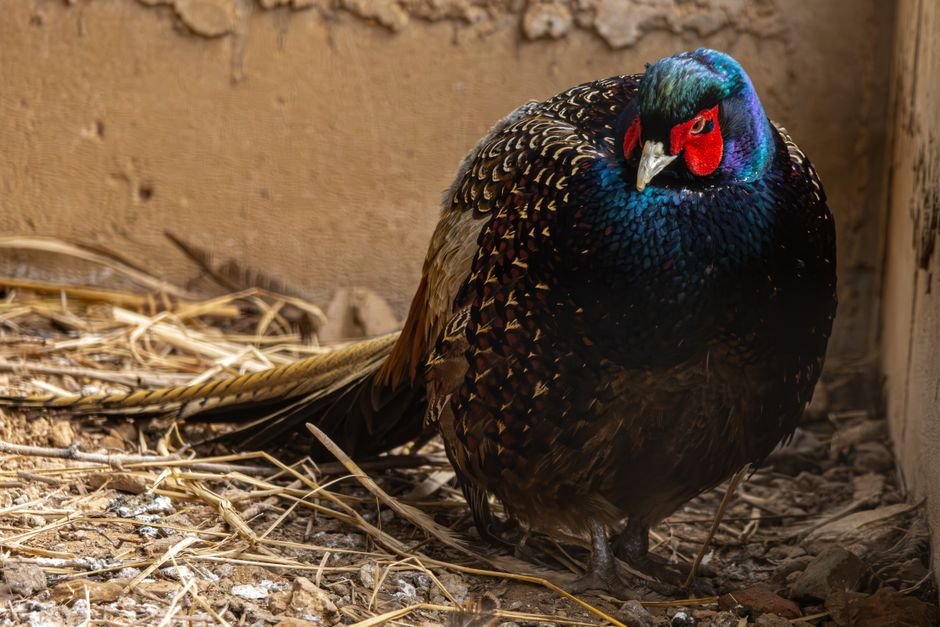
Montana’s Fish and Wildlife Commission is weighing whether to expand a state program that plants pen-raised pheasants on public lands to boost hunter participation. The birds come from prison labor programs, and wildlife purists say the whole scheme undermines wild bird conservation while creating false hunting opportunities.
The program started small but has grown popular with new hunters and families looking for accessible bird hunting close to towns. Now the commission is considering contracts that would put prison-raised pheasants on federal lands through cooperative agreements and possibly even private ranches willing to host planted birds for a fee.
Why Prisons Are Raising Pheasants for Hunters
State prison systems in Montana and several other Western states operate game bird farms as part of inmate work programs. The birds are sold to state wildlife agencies at cost, making them cheaper than commercial hatchery stock. Supporters say it’s a win-win: inmates learn animal husbandry skills, and cash-strapped agencies get affordable birds to plant on public hunting areas where wild populations have declined.
Critics point out that these aren’t wild pheasants being restored to habitat. They’re domesticated birds dumped on public land weeks before hunting season, many so tame they barely flush when hunters approach. Traditional upland hunters call it “canned hunting” that teaches newcomers the wrong lessons about what hunting actually is.
The Hunter Recruitment Argument vs. Wild Bird Conservation
Fish and Wildlife commissioners face pressure to reverse declining hunter numbers. Planted pheasant programs create instant opportunities for urban families and beginners intimidated by wilderness hunting. The birds are predictable, accessible, and require less skill to find than truly wild game.
But habitat groups warn that planting pen-raised birds diverts money and attention from the hard work of restoring native grasslands and wild pheasant populations. Wyoming and South Dakota have documented disease transmission from planted birds to wild populations. And veteran hunters resent paying license fees to subsidize what amounts to an outdoor shooting gallery instead of actual wildlife management.
What Federal Land Expansion Would Mean
If Montana moves forward with federal land agreements, the program could spread to Bureau of Land Management parcels and national grasslands. That raises new questions about whether federal agencies should be in the business of facilitating pseudo-hunting experiences, and whether planted birds compete with or displace the wild pheasants and grouse that public land was meant to protect.
For rural landowners, the private land component offers potential income but also liability concerns and conflicts with neighbors who hunt wild birds. What’s really at stake is whether hunter recruitment justifies abandoning the principle that public wildlife management should prioritize wild, self-sustaining populations over convenient targets.
Key Points
- Montana may expand its program planting prison-raised pheasants on federal and private lands to boost hunter participation
- Wildlife advocates say pen-raised birds spread disease, divert funds from habitat work, and teach bad hunting ethics
- The debate pits hunter recruitment goals against traditional conservation focused on wild, self-sustaining populations
https://www.outdoorlife.com/conservation/montana-pheasant-hunter-recruitment-program/ – July 11, 2026