
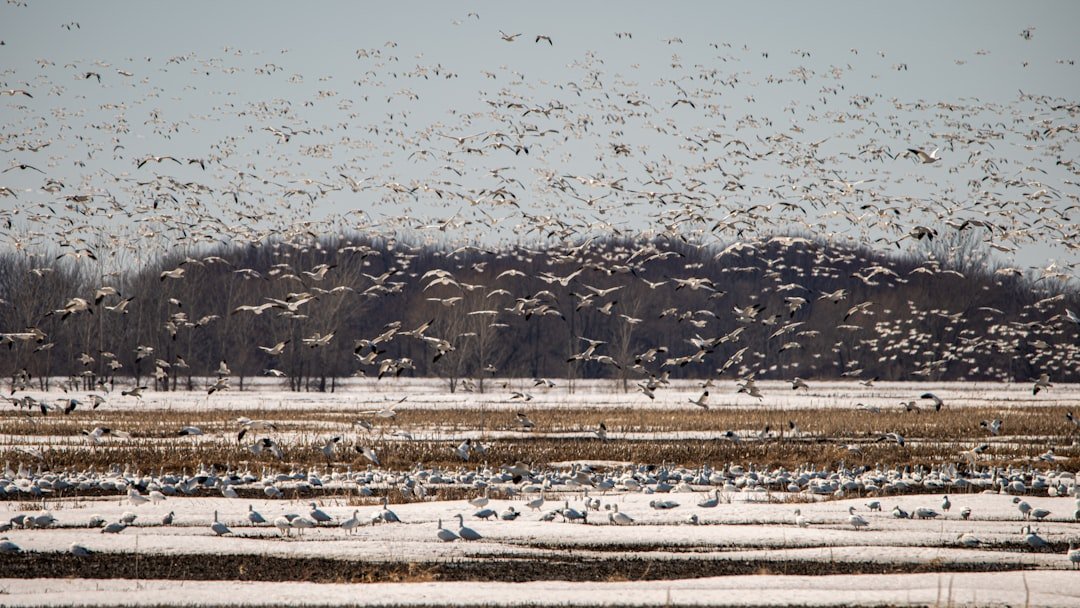
Federal agents cited three Montana waterfowl hunters last month for possessing snow geese killed during what the hunters believed was a legal spring conservation order hunt. The citations came after Fish and Wildlife Service officers determined the hunters had exceeded new interpretive limits on the 1918 Migratory Bird Treaty Act—limits the hunters say were never clearly communicated and conflict with state regulations that have governed these hunts for two decades.
The incident has reignited a simmering conflict over whether century-old treaty obligations should override state wildlife management authority and traditional hunting practices that predate federal oversight.
When Conservation Orders Collide With Treaty Language
Snow goose populations exploded over the past 30 years, devastating Arctic breeding grounds. In response, federal and state agencies established special “conservation order” hunts with relaxed limits, extended seasons, and permission to use electronic calls—methods otherwise prohibited under the Migratory Bird Treaty Act.
The controversy centers on whether these conservation hunts, designed to reduce overpopulation, conflict with the treaty’s core protections. Federal prosecutors argue the MBTA’s strict prohibitions on certain hunting methods cannot be waived by administrative rule, even for conservation purposes. The Montana hunters argue they followed state Fish, Wildlife & Parks regulations to the letter and that changing interpretations of federal law are being applied retroactively.
States Versus Federal Authority in Wildlife Management
Wildlife agencies in 23 states have established snow goose conservation orders, treating the hunts as essential population management rather than recreational hunting. State biologists warn that without aggressive harvest, snow goose numbers will continue degrading sensitive wetland habitats used by dozens of other species.
But environmental groups contend the Migratory Bird Treaty Act’s protections exist for good reason—they’ve prevented the extinction of species that were nearly wiped out by market hunting. Allowing administrative agencies to selectively ignore treaty provisions, they argue, opens the door to gutting protections whenever they become inconvenient.
What Hunters Are Facing Now
The three Montana hunters face federal misdemeanor charges carrying potential fines of $15,000 each. More significant: dozens of similar citations are reportedly under review across the Central Flyway, and hunters are uncertain whether spring 2027 conservation hunts will proceed.
At stake is whether states retain practical authority over wildlife management within their borders, or whether federal treaty enforcement can override decades of established conservation practices that local communities depend on—and whether hunters can trust that following state regulations will keep them on the right side of federal law.
Key Points
- Three Montana hunters face federal charges for snow goose harvests during conservation order hunts they believed were legal under state regulations
- Federal prosecutors argue century-old Migratory Bird Treaty Act protections cannot be administratively waived even for wildlife management purposes
- State agencies in 23 states have established aggressive snow goose hunts to prevent habitat destruction from overpopulation
Aporia News – July 21, 2026