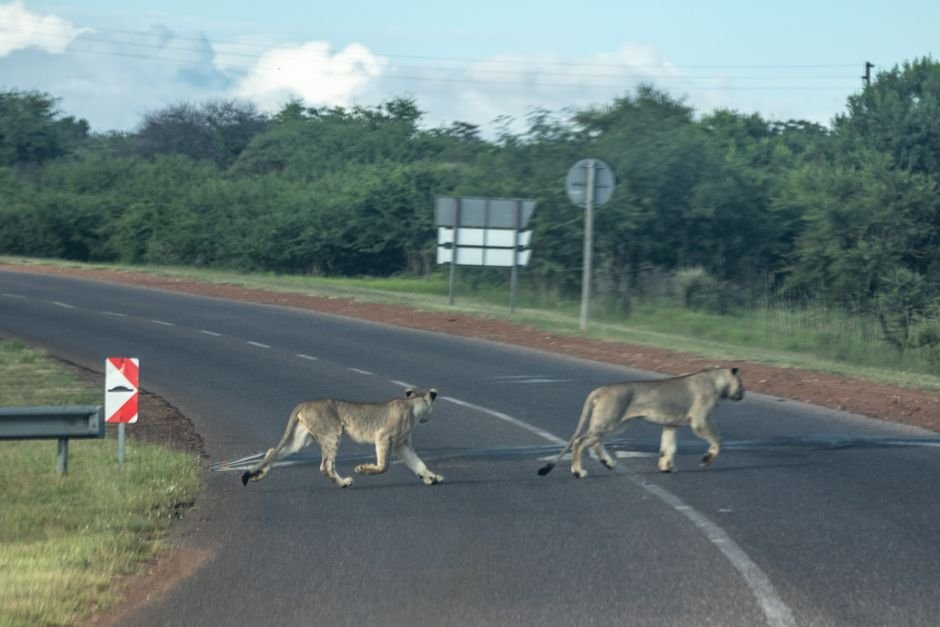
Mountain lion attacks on livestock have surged 340% across five Western states since 2020, according to USDA Wildlife Services data, reigniting one of rural America’s most divisive conservation battles. Colorado ranchers report losing over $2.3 million in cattle and sheep to lion predation last year alone, while wildlife advocates point to expanding suburban development pushing the big cats into closer contact with humans and livestock.
The conflict has reached a breaking point in communities where multi-generation ranching operations now face a predator they can’t legally hunt in most circumstances. At the same time, conservation groups warn that loosening protections could devastate a species that took decades to recover from near-extinction.
What Ranchers Are Facing on the Ground
Tim Bradshaw runs 400 head of cattle outside Durango, Colorado. He’s lost 23 calves to mountain lions in the past eighteen months. “We’re not talking about the occasional loss anymore,” Bradshaw told local reporters. “This is systematic predation that’s threatening our ability to stay in business.” Under current state law, Bradshaw can only kill a lion if he catches it in the act of attacking livestock—a near-impossible standard when lions hunt at night and drag kills into dense cover.
Across Montana, Wyoming, Utah, Colorado, and New Mexico, similar stories are mounting. Rural counties are pushing state wildlife commissions to expand hunting seasons and increase quota tags for lions. Some are demanding compensation programs that actually cover market-value losses, not the token payments currently offered.
The Conservation Case Against Liberalized Hunting
Wildlife biologists counter that lion populations remain fragile in many areas, particularly where habitat corridors have been severed by development. Dr. Amanda Chen of the Mountain Lion Foundation notes that “sustainable populations require large territories and genetic connectivity between ranges. Increased hunting pressure, especially of breeding females, could fragment populations beyond recovery.”
Conservation groups also argue the real problem isn’t lion numbers—it’s humans building deeper into traditional lion habitat, then expecting wildlife to disappear. They point to non-lethal deterrents like guardian dogs, reinforced livestock enclosures, and grazing rotation as proven alternatives to hunting.
What’s at Stake for Rural Communities
The underlying tension isn’t just about lions—it’s about who controls wildlife management and whose livelihood matters most when conservation meets commerce. For ranchers already squeezed by drought, input costs, and market volatility, losing livestock to protected predators feels like the final insult from agencies that don’t answer to rural communities.
Whether states expand hunting opportunities or double down on protections, somebody’s way of life is going to lose ground.
Key Points
- Mountain lion livestock attacks up 340% since 2020 across five Western states
- Colorado ranchers lost $2.3 million to lion predation in 2025 alone
- Conservation groups warn expanded hunting could fragment fragile populations
Aporia News – September 06, 2026