Four major waterfowl conservation groups just fired off an urgent letter to Interior Secretary Doug Burgum, and the message is clear: don’t let decades of wetland conservation work go down the drain. Ducks Unlimited, Delta Waterfowl, the National Wild Turkey Federation, and Pheasants Forever are sounding the alarm about potential threats to conservation easements—legally binding agreements where landowners voluntarily restrict development on their property in exchange for tax breaks or direct payments.
These aren’t federal land grabs. These are deals where private landowners chose to partner with conservation groups, often getting paid handsomely to preserve wetlands and grasslands that produce ducks, geese, and upland birds. The groups say they’ve invested hundreds of millions of dollars into these agreements with ranchers, farmers, and rural property owners across the heartland.
Why Conservation Groups Are Worried Now
The timing of this letter matters. With a new administration potentially reconsidering federal conservation programs, these organizations want assurances that existing easement agreements won’t be weakened, modified, or terminated. They’re asking Burgum’s Interior Department to reaffirm its commitment to honoring these contracts.
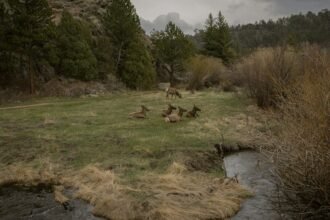
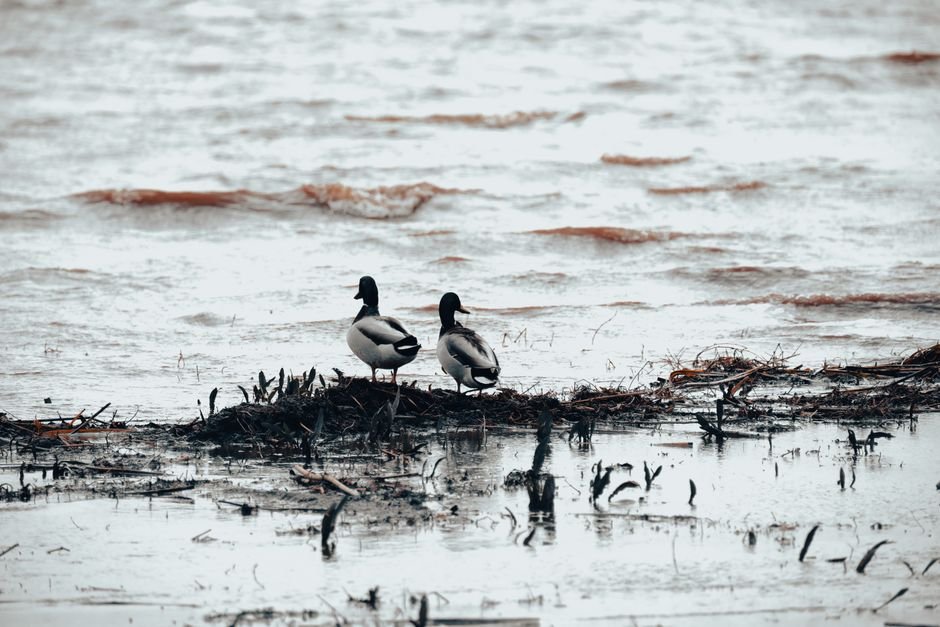
For hunters, this is where things get interesting. Conservation easements have created some of the best waterfowl habitat in North America. They’ve kept working ranches working while also preserving the prairie potholes and wetlands that make the central flyway productive. When easements work, everybody wins—landowners get paid, ducks get habitat, and hunters get birds.
The Property Rights Counterargument
But there’s another side. Some rural landowners view easements as permanent restrictions that can haunt a property for generations. Once signed, these agreements typically run with the land forever, limiting what future owners can do. Critics argue that desperate ranchers sometimes sign away their grandchildren’s options during hard times, essentially selling their land-use rights for a fraction of what the property is worth.
There’s also the question of who really benefits. When urban conservation groups use federal tax dollars to lock up rural land—even through voluntary agreements—it can feel like outside control of local resources. Some ranchers have found themselves trapped by easement language they didn’t fully understand, unable to make basic improvements to their operations.
What’s Actually at Stake
The real issue isn’t whether wetlands matter for waterfowl—they obviously do. It’s whether these permanent conservation deals strike the right balance between protecting habitat and respecting property rights. The waterfowl groups want certainty that their investments are secure. Rural Americans want assurances they’re not signing away their freedom. Both concerns are legitimate, and Secretary Burgum now gets to referee.
Key Points
- Four major waterfowl groups are urging the Interior Department to protect existing conservation easements on private land
- These voluntary agreements have invested hundreds of millions in preserving wetland and grassland habitat across rural America
- Critics argue easements create permanent restrictions that limit property rights for future generations, even when landowners initially agreed to terms
https://www.outdoorlife.com/conservation/waterfowl-groups-send-urgent-letter/ – August 04, 2026