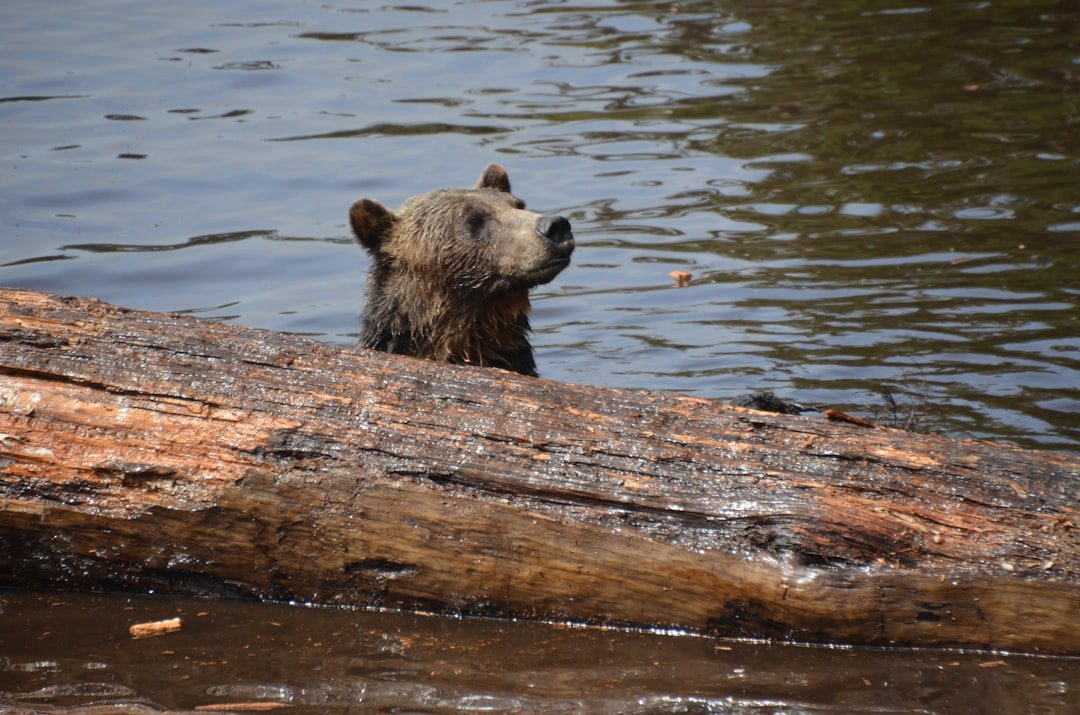
When wildlife officials decided to relocate a problem grizzly bear in the 1970s, they believed they were doing the right thing — giving the bear a second chance in remote wilderness rather than putting it down. Instead, the release turned into a violent mauling that nearly killed Montana game warden Louis Kis, raising questions that still haunt wildlife management today: How much risk should humans accept to save dangerous predators?
The vintage photos show what happened when conservation theory met frontier reality. Kis was helping transport the grizzly to its release site when the bear broke free and attacked. The warden survived only by shooting the bear during the mauling — the very outcome the relocation was supposed to prevent. The images captured a moment many rural Americans recognize: good intentions from wildlife managers creating life-or-death situations for the people who actually live and work in grizzly country.
The Same Debate, Fifty Years Later
That 1970s bear attack previewed today’s fiercest conservation battles. Federal agencies now want to reintroduce grizzlies across the West — into Colorado’s San Juan Mountains, California’s Sierra Nevada, even Washington’s North Cascades. Each proposal follows the same pattern: biologists say restored grizzly populations would correct ecological imbalances; ranchers and rural residents say they’ll be the ones paying the price when bears kill livestock, threaten families, and turn backcountry into something locals can’t safely use.
The Kis mauling proved that relocated grizzlies don’t always cooperate with relocation plans. Modern advocates for grizzly expansion rarely mention how many relocated bears return to human areas, how many die anyway, or how many attacks happen before problem bears are finally destroyed. They definitely don’t discuss who bears typically maul — not federal biologists making six figures in Bozeman, but ranchers checking cattle, outfitters guiding hunts, and families whose land suddenly becomes grizzly habitat by government decree.
What’s At Stake for Rural Communities
The conservation argument is straightforward: grizzlies are recovering slowly, need more habitat to thrive, and play important roles in wilderness ecosystems. The rural argument is equally clear: grizzly reintroduction means restricted land use, threatened livestock operations, dangerous conditions for outdoor workers, and federal control over private property and state wildlife management.
Those vintage photos show why this isn’t just a policy debate. When grizzly management goes wrong, it’s not bureaucrats who pay — it’s wardens like Louis Kis, ranchers defending their herds, and hunters who thought public land was still for the public. Fifty years later, we’re still arguing about whether that’s an acceptable cost of conservation or an unfair burden on the Americans who never left the land.
Key Points
- Montana warden Louis Kis was mauled during 1970s grizzly relocation, survived only by shooting the bear
- Incident foreshadowed today’s conflicts over federal grizzly reintroduction in Western states
- Rural communities argue they bear the real risks and costs when wildlife management theories fail in practice
https://www.outdoorlife.com/conservation/vintage-wildlife-photos-this-grizzly-bear-release-went-horribly-wrong/ – August 19, 2026