
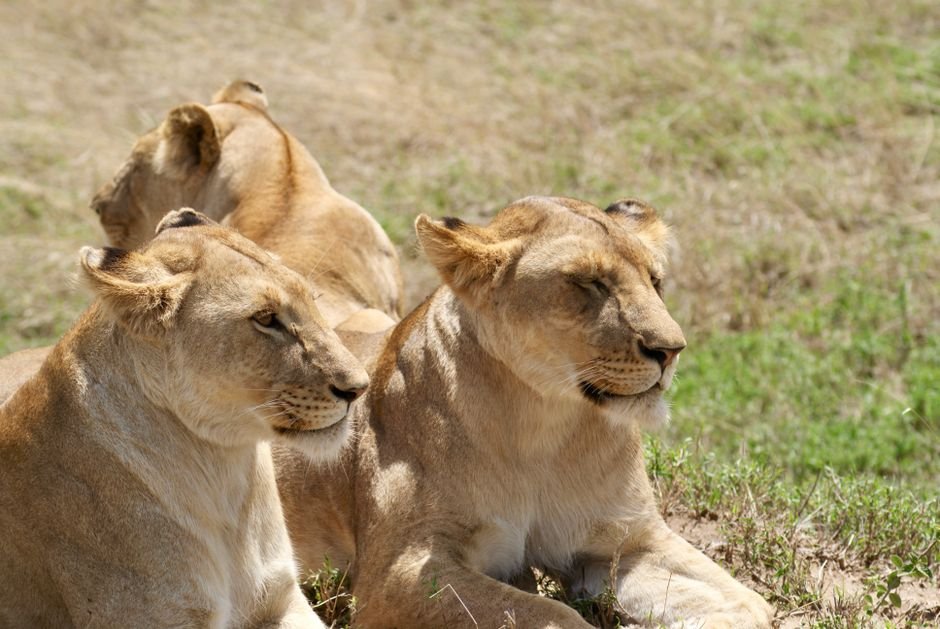
European lawmakers want to ban trophy hunting imports from Africa. A new study says that would be a disaster for African wildlife. The controversy puts American hunters in an unlikely position: defending a practice most have never participated in because it might be the only thing keeping millions of acres of habitat intact.
The research, covering decades of data across African nations, found that trophy hunting operations successfully conserve habitat 92 percent of the time. That’s not a typo. The very practice that animal rights activists call “killing for fun” appears to be funding more conservation than any other model currently operating on the continent.
Why Trophy Hunting Pays for Conservation
The economic logic is brutal but effective. A single lion hunt can generate $50,000 or more. That money flows to landowners, local communities, and anti-poaching operations. When hunting revenue dries up, the land gets converted to farming or development. The wildlife disappears entirely.
African nations with robust hunting programs maintain vast territories as wildlife habitat. Nations that banned hunting saw those same lands plowed under or subdivided within years. Botswana banned hunting in 2014, then quietly reversed course after watching poaching skyrocket and habitat vanish.
The Uncomfortable Truth About Who Pays
American hunters fund more global conservation than any environmental group through excise taxes on guns and ammunition. Now they’re being told that wealthy hunters paying six figures to take a single animal are somehow the villains, even though that money keeps entire ecosystems functioning.
The European Union doesn’t offer an alternative funding model. They want to ban imports based on moral objection, which is their right. But African wildlife managers are begging them not to, warning that Western virtue signaling will cost African wildlife everything.
What Happens When Emotion Overrides Data
This isn’t about whether trophy hunting feels good or looks good on Instagram. It’s about what actually works on the ground in Africa, where land use decisions get made by people who live there, not by activists in Brussels or Hollywood.
If Europe bans imports, American hunters will carry more of the conservation burden. That’s fine with most of us. But we’re watching closely to see if the same groups pushing African hunting bans will eventually come for our traditions here at home, armed with the same emotional appeals and the same indifference to what actually keeps wild places wild.
Key Points
- New study shows trophy hunting successfully conserves African habitat 92 percent of the time
- European import bans could eliminate primary funding for wildlife areas and anti-poaching operations
- African nations that banned hunting saw rapid habitat loss and increased poaching
- American hunters worry the same emotional arguments will eventually target domestic hunting traditions
https://www.outdoorlife.com/conservation/trophy-hunting-benefits/ – September 29, 2026