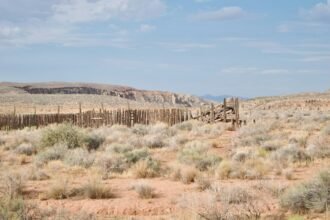
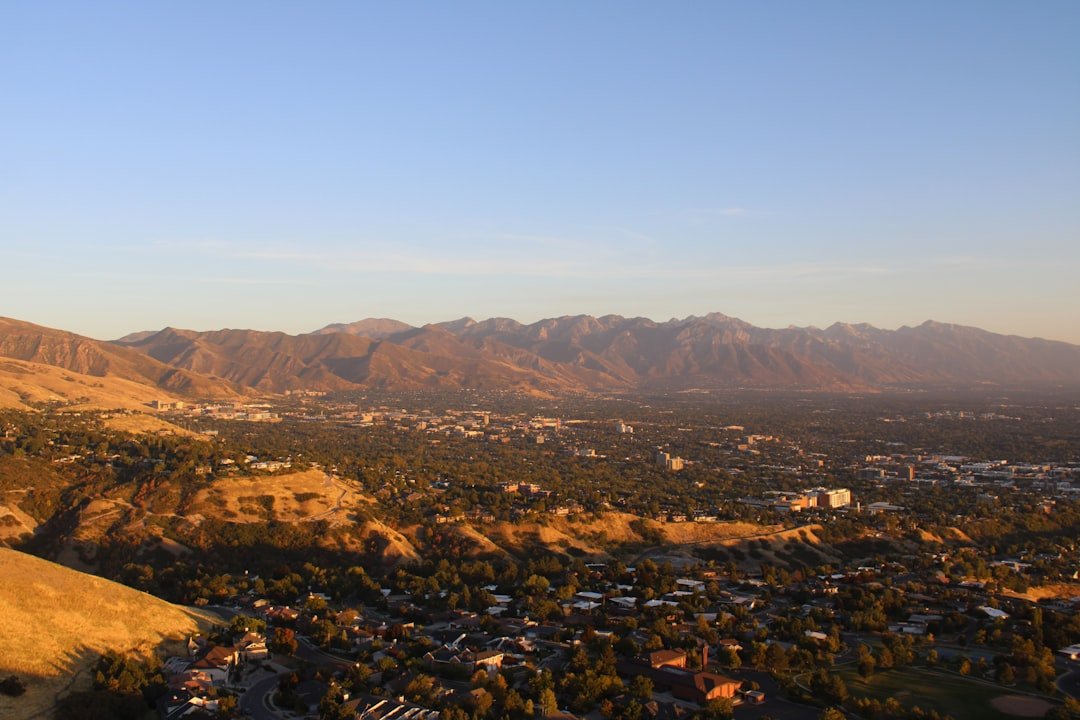
A mountain lion killed three goats on Jim Porter’s ranch outside Salmon, Idaho last month. When he called Fish and Game, they told him the cat was likely just passing through. Two weeks later, it took down a calf worth $800. Now Porter sleeps with his rifle, and his neighbors are asking why state wildlife managers seem more concerned about protecting predators than protecting people.
Across the West, mountain lion populations have rebounded dramatically since the 1960s, when most states listed them as varmints with year-round hunting seasons. Today, an estimated 30,000 cougars roam from the Pacific Coast to the Great Plains—triple the population of four decades ago. Wildlife officials call it a conservation success story. Ranchers and rural families call it a safety crisis waiting to happen.
Growing Populations, Growing Encounters
California banned mountain lion hunting entirely in 1990. Colorado followed with severe restrictions. The result: lion sightings in suburban areas have increased 300% since 2010, according to state wildlife data. In May, a cougar killed a family dog in a fenced backyard in Colorado Springs. Last year, a jogger near Fort Collins fought off a juvenile lion that attacked him on a trail.
Wildlife advocates point out that fatal attacks remain extremely rare—fewer than 30 deaths in North America over the past century. They argue that lions naturally avoid humans and that increased sightings simply reflect more people moving into wildlife habitat. “We’re building homes in their territory, not the other way around,” says Maria Chen of the Mountain Lion Foundation.
Rural Communities Want Control Returned
But ranchers and rural landowners say the numbers don’t capture the full cost. Beyond livestock losses—estimated at $50 million annually across Western states—they describe children who can’t walk to the school bus alone and families afraid to let kids play in their own yards. Montana rancher Dale Hutchins lost 14 sheep to lions last year. State compensation covered $3,200 of his $8,000 loss.
Several states are reconsidering their approach. Montana recently expanded its lion harvest quotas. Utah is debating legislation to allow landowners to shoot lions threatening livestock without waiting for a depredation permit. Environmental groups have threatened lawsuits, arguing these changes violate wildlife trust principles.
What’s at Stake
The core tension is fundamental: who gets to decide how dangerous predators are managed—biologists in state capitals or the people who live alongside these animals? For rural Americans, it’s about more than property rights. It’s about whether their concerns carry the same weight as those of urban wildlife advocates who will never face a cougar in their driveway.
Key Points
- Mountain lion populations have tripled since the 1960s, with California and Colorado imposing the strictest hunting restrictions
- Rural communities report surging livestock losses and safety concerns, while conservationists say fatal attacks remain statistically rare
- Several states are expanding harvest quotas and landowner protections, triggering legal battles over who controls predator management decisions
Aporia News – August 20, 2026