
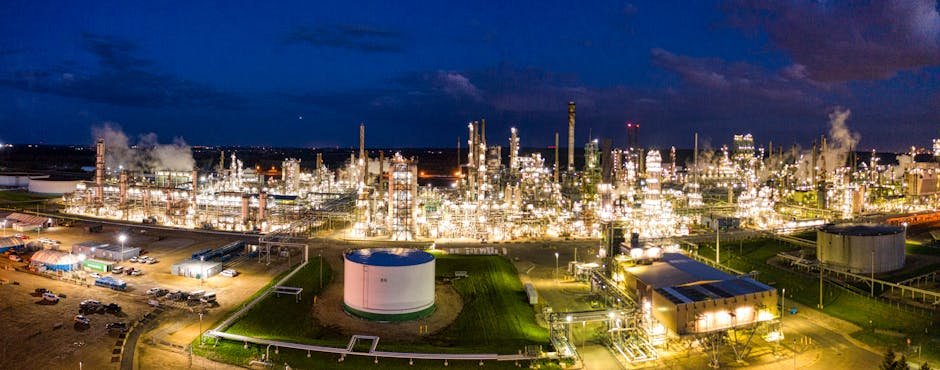
Oil prices surged past $103 per barrel Monday as escalating tensions between Israel and Iran sent shockwaves through global energy markets, threatening to drive up costs for American families already squeezed by persistent inflation.
Brent crude, the international benchmark, topped $103 in early trading after President Trump dismissed Iran’s latest peace proposal and Israel warned that its conflict with Tehran remains active. The spike marks a significant jump from recent levels and signals potential pain at the pump for American drivers heading into the summer travel season.
Energy analysts warn that sustained prices above $100 per barrel could add 30 to 50 cents per gallon at gas stations nationwide within weeks. For families already managing tight budgets, that translates to an extra $8 to $12 every time they fill up a typical sedan—or roughly $400 more per year for the average two-car household.
The immediate trigger came from Israel’s declaration that despite diplomatic efforts, its confrontation with Iran continues. Trump’s rejection of Iran’s response to a peace framework proposal further dimmed hopes for a quick resolution that might ease pressure on oil supplies.
Middle East tensions carry outsize weight in energy markets because the region produces roughly one-third of the world’s crude oil. Any threat to supply routes through the Strait of Hormuz—where about 21 million barrels pass daily—sends traders scrambling and prices climbing.
For American retirees watching their portfolios, higher oil prices cut both ways. Energy stocks may rise, but sustained expensive oil typically slows economic growth and pressures other investments. Small businesses face immediate hits from higher transportation and heating costs that eat into already thin margins.
The timing compounds existing economic pressures. Inflation, while down from its peak, remains above the Federal Reserve’s target. Higher energy costs ripple through the entire economy—raising prices for food transport, manufacturing, and countless goods that depend on petroleum products.
Traders will be watching several key factors in coming days: whether Israel and Iran move toward direct military confrontation, Trump’s next diplomatic moves, and any signals from OPEC about production increases to calm markets.
For now, American consumers should brace for higher costs. Memorial Day weekend, traditionally the start of summer driving season, is just two weeks away. If oil stays above $100, that family road trip will cost noticeably more than last year.
Key Points
- Brent crude topped $103 per barrel after Trump rejected Iran’s peace proposal and Israel warned its conflict with Tehran continues
- Sustained prices above $100 could add $400 annually to fuel costs for typical American families
- Middle East supplies one-third of global oil; any disruption through the Strait of Hormuz threatens major price spikes just before summer driving season
https://www.cnbc.com/2026/05/11/oil-price-today-brent-wti-iran-war-trump.html – May 11, 2026