
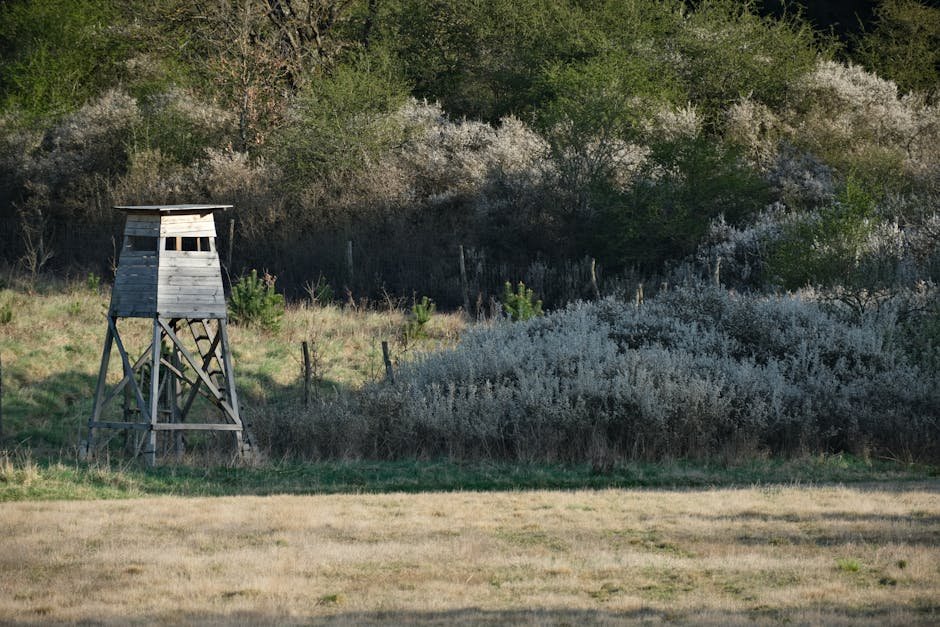
The Bureau of Land Management’s expanded lead ammunition restrictions across 12 million acres of federal hunting land in the West have ignited a fierce debate that cuts to the heart of how conservation decisions get made—and who pays the price.
The new policy, announced April 30th, requires non-lead ammunition for all hunting on BLM lands in California, Arizona, Nevada, and portions of Utah and Oregon. Federal officials cite peer-reviewed studies showing lead fragmentation in gut piles and carcasses poisons scavenging birds, particularly the critically endangered California condor. Wildlife biologists point to documented condor deaths from lead poisoning and argue the switch is essential for species recovery.
Hunters and rural sporting groups see something different: another federal mandate that disregards on-the-ground realities and places the burden squarely on working Americans who fund most conservation through license fees and excise taxes on ammunition and equipment.
The practical obstacles are substantial. Copper and other non-lead alternatives cost two to three times more than traditional ammunition—a significant expense for families who rely on wild game to fill their freezers. In many calibers, particularly for older rifles common in rural households, non-lead options are limited or unavailable. And while manufacturers have expanded production, shortages persist in Western sporting goods stores.
The Congressional Sportsmen’s Foundation argues the restrictions bypass state wildlife agencies—the traditional managers of hunting regulations—and could set precedent for broader federal ammunition controls. “These are the same hunters who voluntarily fund wetland restoration, wildlife research, and habitat programs,” says their Western director. “Now they’re being told their traditional equipment is unacceptable on public lands their taxes support.”
Conservation groups counter that voluntary compliance has failed. Arizona condor recovery programs have documented lead in over 80% of tested birds. They argue that hunters who genuinely care about wildlife should embrace alternatives that protect the species they value.
The controversy extends beyond condors. Eagles, ravens, and other scavengers also suffer lead exposure from hunter-killed carcasses. But opponents question whether federal mandates are the answer, noting that similar restrictions in other states have seen poor enforcement and compliance.
What’s at stake is whether conservation policy will continue to be shaped through collaboration between hunters and state agencies, or whether federal agencies will increasingly impose one-size-fits-all solutions. For rural communities that see hunting as both heritage and necessity, that question matters as much as the ammunition itself.
Key Points
- New BLM rules ban lead ammunition across 12 million Western acres to protect endangered condors and scavengers from lead poisoning
- Non-lead ammunition costs 2-3x more and remains unavailable in many calibers, creating hardship for rural hunters who depend on wild game
- The dispute reflects deeper tensions over whether conservation decisions should come from federal mandates or state agencies working with hunting communities
Aporia News – May 11, 2026