
Black bears can hit 35 miles per hour in short bursts. Grizzlies clock in around 30. Both can run down a horse over rough terrain, outpace any human alive, and cover 100 yards faster than you can fumble for bear spray. Yet federal wildlife managers continue expanding bear populations into areas where ranchers run cattle, families recreate outdoors, and hunters have pursued game for generations—often with zero input from the people who actually live there.
The speed statistics matter because they reveal what biologists rarely admit in public meetings: when bear encounters go wrong, humans don’t stand a chance. A charging grizzly closes distance faster than most people can process what’s happening. That reality should inform reintroduction decisions, but too often it doesn’t.
The Federal Push for More Bears
Fish and Wildlife Service has championed grizzly bear recovery across the West, targeting areas in Montana, Idaho, Wyoming, and now Washington’s North Cascades. Black bear populations have exploded in the East, with bears now appearing in suburbs from New Jersey to Florida. The Endangered Species Act protects grizzlies in most areas, making it illegal to shoot even when bears kill livestock or threaten human safety.
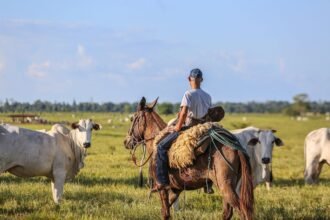
Wildlife managers celebrate these recoveries as conservation victories. Ranchers see their calves dragged into timber. Outfitters watch elk herds decline as bear predation increases. Rural families worry about kids walking to the school bus in the dark.
When Conservation Collides With Rural Reality
The controversy isn’t whether bears deserve habitat—most hunters and ranchers agree they do. The fight centers on who decides where bears belong and who pays the price when populations grow. Federal biologists working from offices in Denver or Washington make reintroduction decisions affecting ranchers who’ve worked the same ground for five generations. When bears kill livestock, compensation programs offer pennies on the dollar and mountains of paperwork.
Hunters face another contradiction: states manage black bear hunting as a tool to control populations and reduce conflicts, yet federal courts routinely block scientifically-sound hunts based on emotional appeals from groups that have never set foot in bear country.
What’s At Stake for the West
The bear debate represents a larger battle over who controls America’s wildlife and rural landscapes. Every new grizzly ESA listing restricts land use, limits recreational access, and shifts management authority from states to federal agencies. Meanwhile, the families living closest to these apex predators—the ones most likely to encounter a 30-mile-per-hour grizzly in the timber—get the least say in decisions affecting their safety, livelihoods, and heritage.
Key Points
- Grizzlies run 30 mph and black bears hit 35 mph, faster than any human can escape
- Federal agencies expand bear populations into ranching and recreation areas with minimal local input
- ESA protections prevent lethal removal even when bears kill livestock or threaten human safety
https://www.outdoorlife.com/conservation/how-fast-do-bears-run/ – September 26, 2026