
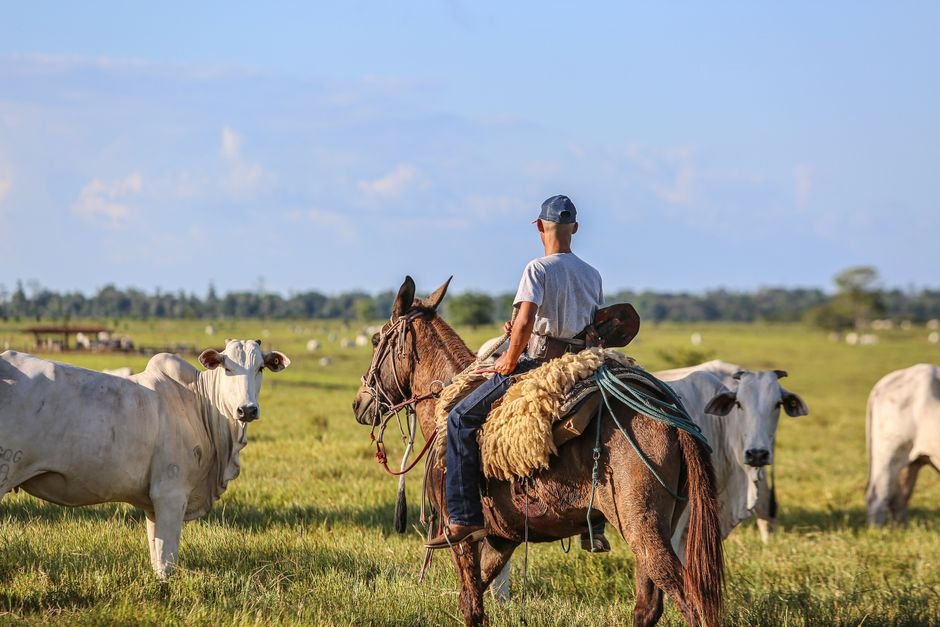
The Bureau of Land Management has announced sweeping changes to grazing permit renewals across six Western states, introducing new environmental assessments that could delay permits up to 18 months and require costly habitat restoration projects before approval. The policy shift affects approximately 18,000 ranching operations on 155 million acres of public land.
Under the new framework, ranchers must fund baseline wildlife surveys and develop detailed monitoring plans for sage grouse, threatened fish species, and riparian zones before permits can be renewed. BLM officials say the changes ensure sustainable grazing practices that protect declining wildlife populations on overgrazed public lands.
Conservation Case for Stricter Oversight
Environmental groups point to decades of documented overgrazing damage on BLM lands. Streambank erosion, invasive cheatgrass expansion, and depleted sage grouse habitat have accelerated across the West, they argue, while grazing fees remain far below private lease rates. The new assessments, they say, simply require ranchers to demonstrate they won’t degrade public resources that belong to all Americans—not just livestock operators.
Federal biologists note that 30% of assessed BLM grazing allotments fail to meet land health standards, with livestock identified as the primary cause in most cases. Requiring permit holders to prove they can graze sustainably before renewal, rather than after damage occurs, represents common-sense stewardship.
Ranchers See Impossible Compliance Costs
Ranching families counter that the new requirements are financially devastating and operationally unworkable. Wildlife surveys alone cost $15,000 to $40,000 per allotment—more than many small operations earn annually from public land grazing. With permits expiring before assessments can be completed, ranchers face losing access to grazing allotments their families have held for generations.
Western ranchers argue they’re the original conservationists, maintaining open landscapes and preventing subdivision while operating on razor-thin margins. Many view the policy as backdoor elimination of ranching from public lands through regulatory burden rather than honest policy debate.
What Hangs in the Balance
At stake is the future of ranching across vast stretches of the rural West. If permit renewals become prohibitively expensive or delayed indefinitely, thousands of ranching operations dependent on public land grazing will fold. Those lands could then revert to federal management alone—or be opened to energy development, recreation, or other uses.
The controversy cuts to the core question: Should public land management prioritize wildlife restoration even when it ends traditional uses, or should longstanding grazing families retain access to lands they’ve stewarded for generations?
Key Points
- BLM now requires costly wildlife surveys and habitat plans before renewing grazing permits across six Western states
- Conservation groups say stricter oversight protects overgrazed public lands and declining wildlife populations
- Ranchers argue $15,000-$40,000 compliance costs per allotment will eliminate family operations dependent on public grazing
Aporia News – September 23, 2026