
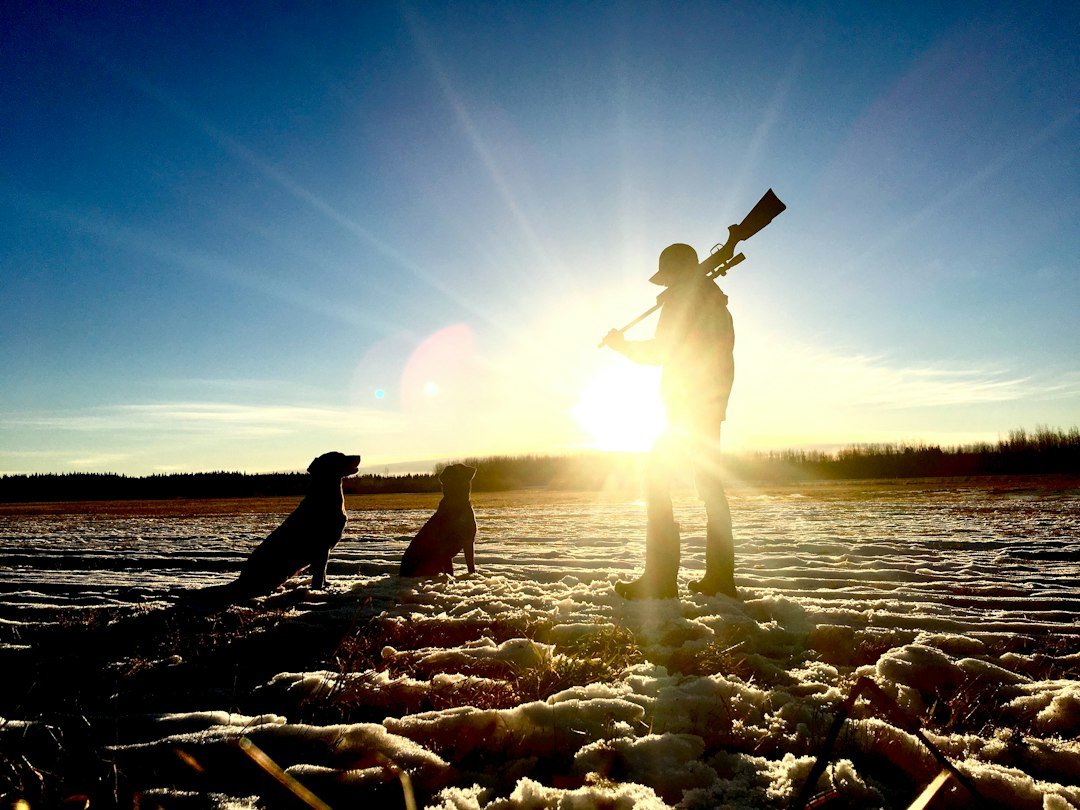
Federal agents confiscated a Montana rancher’s shotgun last week after he shot a sandhill crane he mistook for a Canada goose during an early-season hunt. The case has reignited a long-simmering debate about whether century-old migratory bird protections have become a trap for honest hunters making split-second decisions in the field.
The Migratory Bird Treaty Act, signed in 1918, makes it a federal crime to kill protected birds without proper permits. Violators face up to six months in jail and $15,000 in fines. The rancher, who asked not to be named, says he identified the bird as a legal goose at dawn and didn’t realize his mistake until his retriever brought it back.
Conservation Case: Protection That Actually Works
Wildlife advocates point to the treaty as one of America’s most successful conservation laws. When it passed, market hunting had decimated waterfowl and shorebird populations across the continent. The treaty’s strict protections helped species like wood ducks, trumpeter swans, and snow geese recover from near-extinction.
The sandhill crane remains protected precisely because its numbers are still rebuilding in certain flyways. Biologists argue that without clear legal consequences, even accidental kills could add up to unsustainable harvest pressure on vulnerable populations. The law doesn’t require intent—if you kill a protected bird, you’ve violated the treaty.
Rural America Pushes Back on Enforcement
Hunters counter that the law has become a minefield. Sandhill cranes and Canada geese often travel together, share similar habitats, and can look remarkably alike in low light or at distance. Even experienced waterfowlers occasionally make identification errors. Turning honest mistakes into federal crimes, they argue, criminalizes ordinary hunters while doing little for actual conservation.
Hunting groups have proposed “reasonable mistake” exceptions that would eliminate penalties when hunters can demonstrate they took reasonable steps to identify their target. Federal prosecutors oppose such changes, warning they would gut enforcement and give violators an easy out.
What Hangs in the Balance
The controversy extends beyond cranes. Similar identification challenges affect mourning doves versus protected species, early-season teal versus other ducks, and various shorebirds. Rural communities see aggressive prosecution of accidental violations as federal overreach that treats working people like criminals. Conservationists see any weakening of the treaty as an invitation to poaching.
For Montana’s rancher, the choice is now clear: plead guilty to a federal wildlife crime or fight charges in court that could cost more than his annual hunting budget.
Key Points
- Migratory Bird Treaty Act makes killing protected birds a federal crime regardless of intent
- Hunters argue sandhill cranes and Canada geese are too similar for split-second field identification
- Conservation groups oppose “reasonable mistake” exceptions as undermining century of successful protection
Aporia News – September 27, 2026