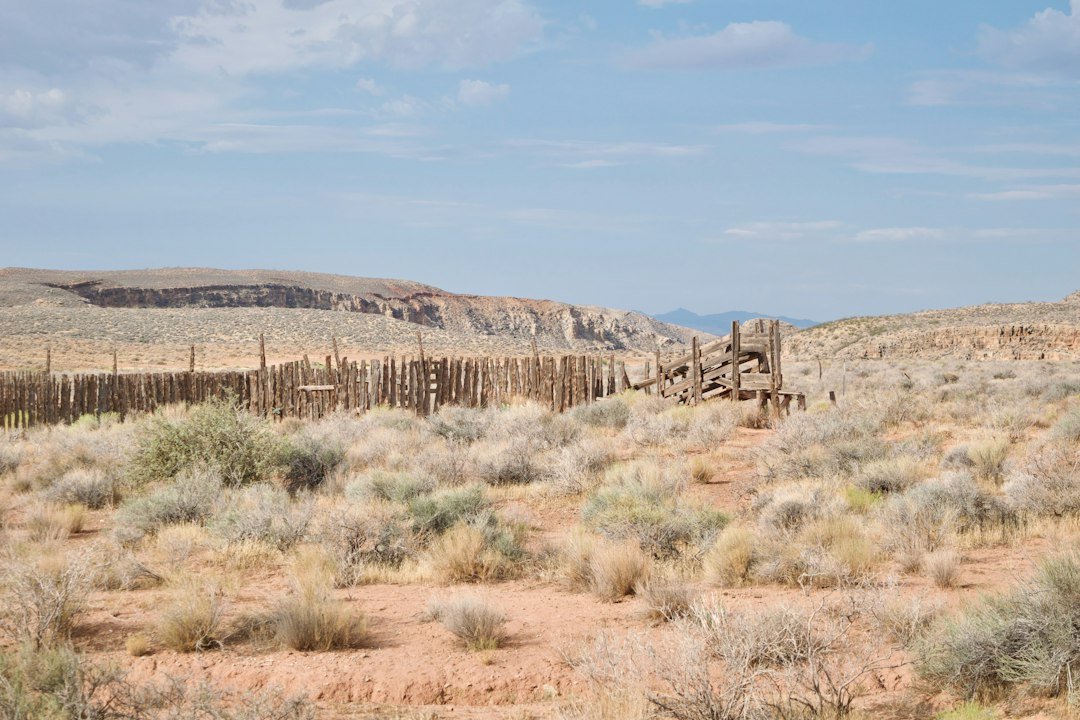
Federal land managers are racing to remove thousands of wild horses and burros from Western rangelands this fall, reigniting a decades-old fight over who gets priority access to increasingly scarce forage and water. The Bureau of Land Management says wild horse populations are now triple what the range can sustain. Ranchers say their livestock operations are being squeezed while protected horses destroy habitat. Wildlife advocates warn both horses and cattle are degrading crucial sage grouse and mule deer range.
The BLM currently manages roughly 82,000 wild horses and burros across 177 million acres of public land in ten Western states—more than three times the agency’s maximum sustainable population target of 27,000. In Nevada alone, wild horse numbers have exploded from an estimated 12,000 in 2010 to over 43,000 today, while the state’s authorized grazing permits for cattle have declined by 30 percent.
Ranchers Bear the Cost of Federal Failure
Cattle ranchers with grazing permits say they’re being punished for a problem the federal government created and refuses to fix. When drought hits, the BLM cuts livestock numbers immediately but wild horse populations continue growing at 15-20 percent annually. Ranchers point out they pay for their grazing rights, invest in water developments and fencing, and face strict stocking limits—while wild horses face no such controls.
“We’ve reduced our cattle by half over the past decade while horse numbers doubled,” says Tom Henderson, a fourth-generation Nevada rancher. “The land can’t take it. We’re watching springs dry up and native grasses disappear. When we’re gone, the horses will still be here eating dust.”
Wild Horse Advocates Fight Removals
Wild horse protection groups argue the BLM’s population estimates are inflated and that the real problem is livestock overgrazing, not horses. They note that cattle vastly outnumber wild horses on public lands and that ranchers pay below-market rates for federal forage. Court challenges have repeatedly blocked roundups, leaving thousands of captured horses warehoused in government holding facilities at taxpayer expense—currently over $50,000 per horse over its lifetime.
Conservation groups occupy uncomfortable middle ground. Healthy rangelands require managing total grazing pressure from all sources. Overpopulated wild horses damage riparian areas, compete with native wildlife, and degrade sagebrush habitat critical for struggling species. But so does poorly managed livestock grazing.
What’s at Stake for Rural Communities
This isn’t just about horses and cows. It’s about whether rural Americans who depend on public lands for their livelihood have any voice in how those lands are managed—or whether federal agencies and urban-based advocacy groups make all the decisions. With no politically acceptable solution for controlling wild horse numbers, the conflict only intensifies as rangeland conditions deteriorate and family ranching operations continue their decline across the West.
Key Points
- Wild horse numbers exceed BLM targets by 55,000 animals across Western states
- Ranchers reduced cattle 30% in Nevada while wild horses doubled, straining drought-stressed range
- No workable population control strategy leaves taxpayers funding $50,000 lifetime care per captured horse
Aporia News – September 30, 2026