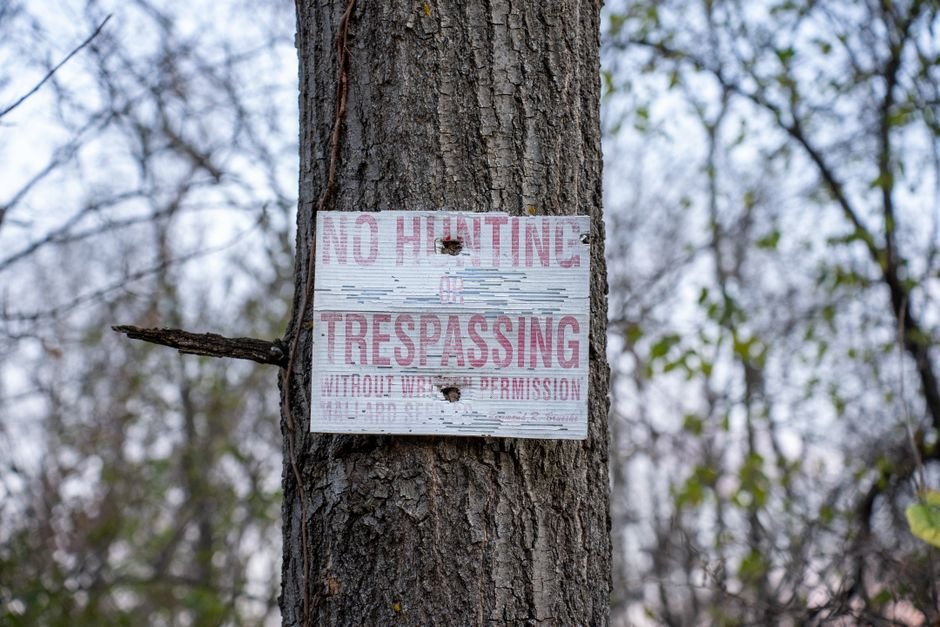
When federal wildlife agents tell a Texas rancher he can no longer control feral hogs destroying his cattle operation, or inform a Montana landowner that deer hunting is now restricted because of a new bat listing, the Endangered Species Act stops being an abstract conservation law. It becomes a direct challenge to property rights that have existed for generations.
The tension is escalating across rural America as ESA listings increasingly affect what landowners can do on their own property—particularly when it comes to traditional hunting practices that families have relied on for both sustenance and wildlife management.
How Species Protections Limit Private Land Hunting
The mechanics are straightforward but the impacts run deep. When a species gets listed as threatened or endangered, federal law can prohibit “take”—which includes not just killing the protected animal, but also harming its habitat. On private land, this often means restrictions on when and how you can hunt other species that might disturb protected wildlife during nesting or denning seasons.
In the Northern Great Plains, sage grouse protections have limited when ranchers can conduct predator control for coyotes and other animals that threaten livestock. In the Southeast, gopher tortoise listings restrict hog hunting during certain months. Western bat listings are closing off traditional deer hunting areas during fall migrations.
The Conservation Case for Federal Authority
Wildlife biologists argue that species don’t recognize property lines, and recovery requires landscape-level protection that voluntary measures can’t guarantee. Private lands hold some of the most critical habitat—wetlands, grasslands, and forest corridors that survived precisely because they weren’t developed. Without federal authority to restrict harmful activities, they contend, species like the red wolf and black-footed ferret would already be extinct.
The data supports intervention in some cases: whooping cranes recovered from 21 birds to over 800 largely due to habitat protections that included private ranch land along their migration route.
What Rural Landowners See as Government Overreach
But property rights advocates see a different pattern: federal agencies using species listings to control private land without compensation, criminalizing activities that landowners and their families have practiced sustainably for decades, and prioritizing animals over rural livelihoods.
The frustration intensifies when listings seem driven by urban environmental groups with no stake in rural communities, or when “critical habitat” designations affect land where the species hasn’t been seen in years.
What’s at stake isn’t just this season’s deer harvest—it’s whether American landowners retain meaningful control over their own property, or whether federal authority can indefinitely restrict traditional uses in the name of conservation.
Key Points
- ESA listings increasingly restrict hunting activities on private land through “take” prohibitions and habitat protection requirements
- Conservationists argue federal authority is essential for species recovery across property boundaries where voluntary measures fall short
- Rural landowners view the restrictions as uncompensated takings that criminalize traditional land uses and prioritize wildlife over property rights
Aporia News – November 04, 2026